Yoga Clothing Market to Reach USD 54.57 Billion by 2032 as Digital Fitness Reshapes Activewear
A pair of leggings can feel like the smallest part of a home practice—until a waistband folds into the abdomen during a forward fold, a seam catches behind the knee in a lunge, or fabric turns slick…
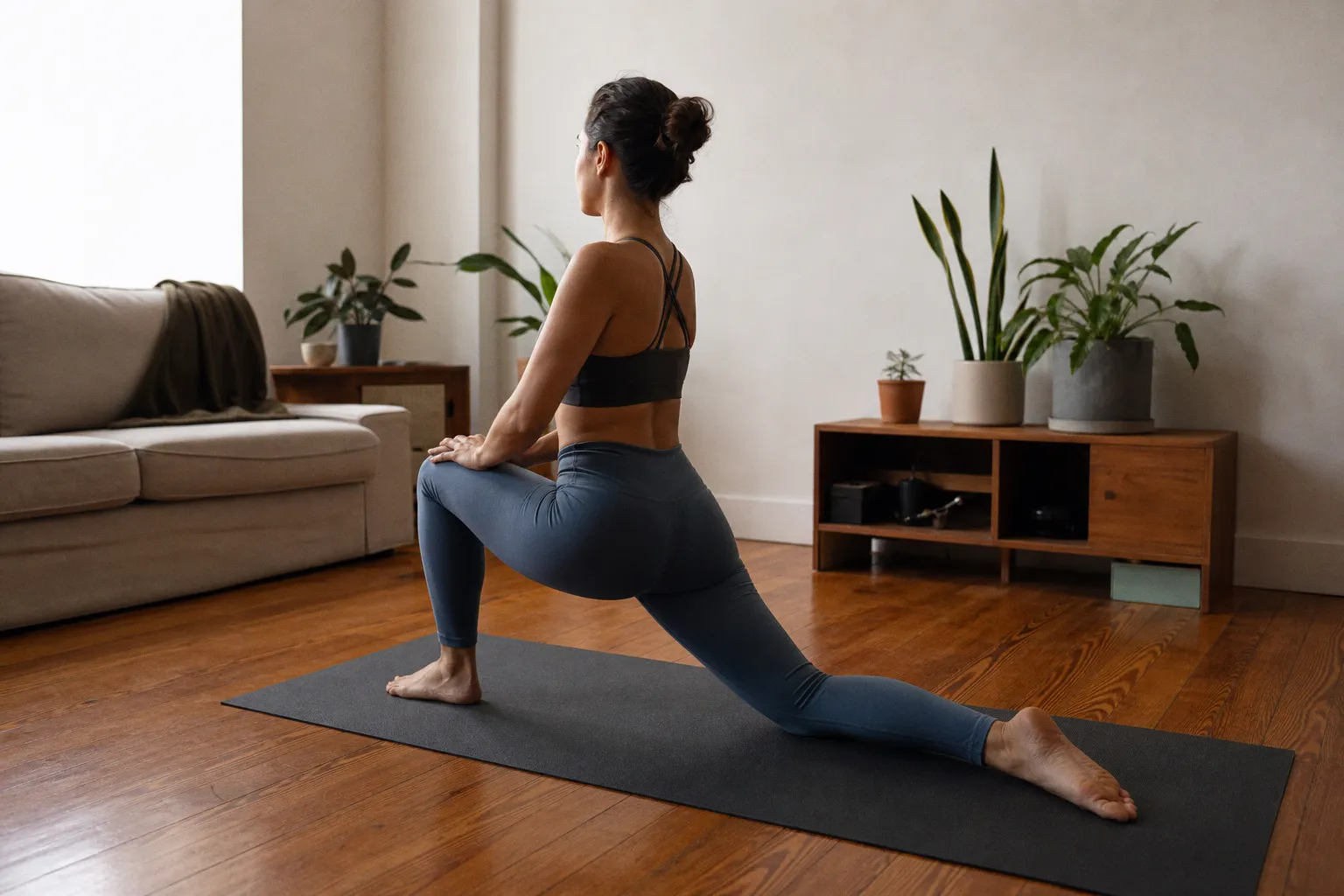
A pair of leggings can feel like the smallest part of a home practice—until a waistband folds into the abdomen during a forward fold, a seam catches behind the knee in a lunge, or fabric turns slick and distracting when we are trying to articulate the spine with care. A new openPR.com market headline says the yoga clothing market could reach USD 54.57 billion by 2032, framing digital fitness as part of the activewear shift.
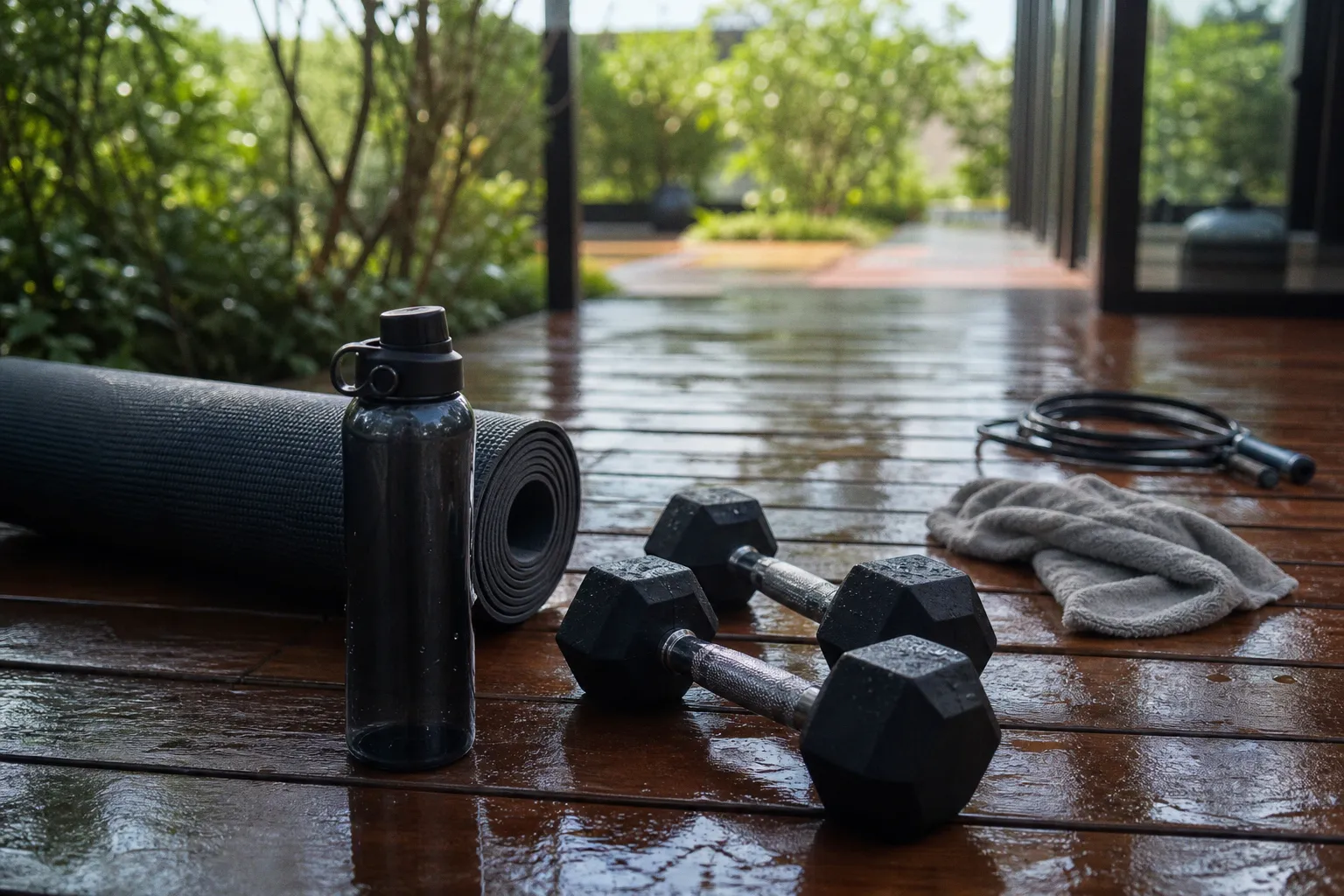
For those of us who train in a living room rather than a studio, the relevant signal is not a reason to buy more. It is a reminder that the clothes we move in are becoming part of the home-workout conversation, right alongside the mat, the screen and the small patch of floor where we build a repeatable practice.
When clothing joins the home-workout setup
The available item provides a headline and forecast, but not the underlying methodology or a detailed breakdown of the yoga-clothing market. That matters: a large projected number is not, by itself, a verdict on which garments deserve space in our drawer.
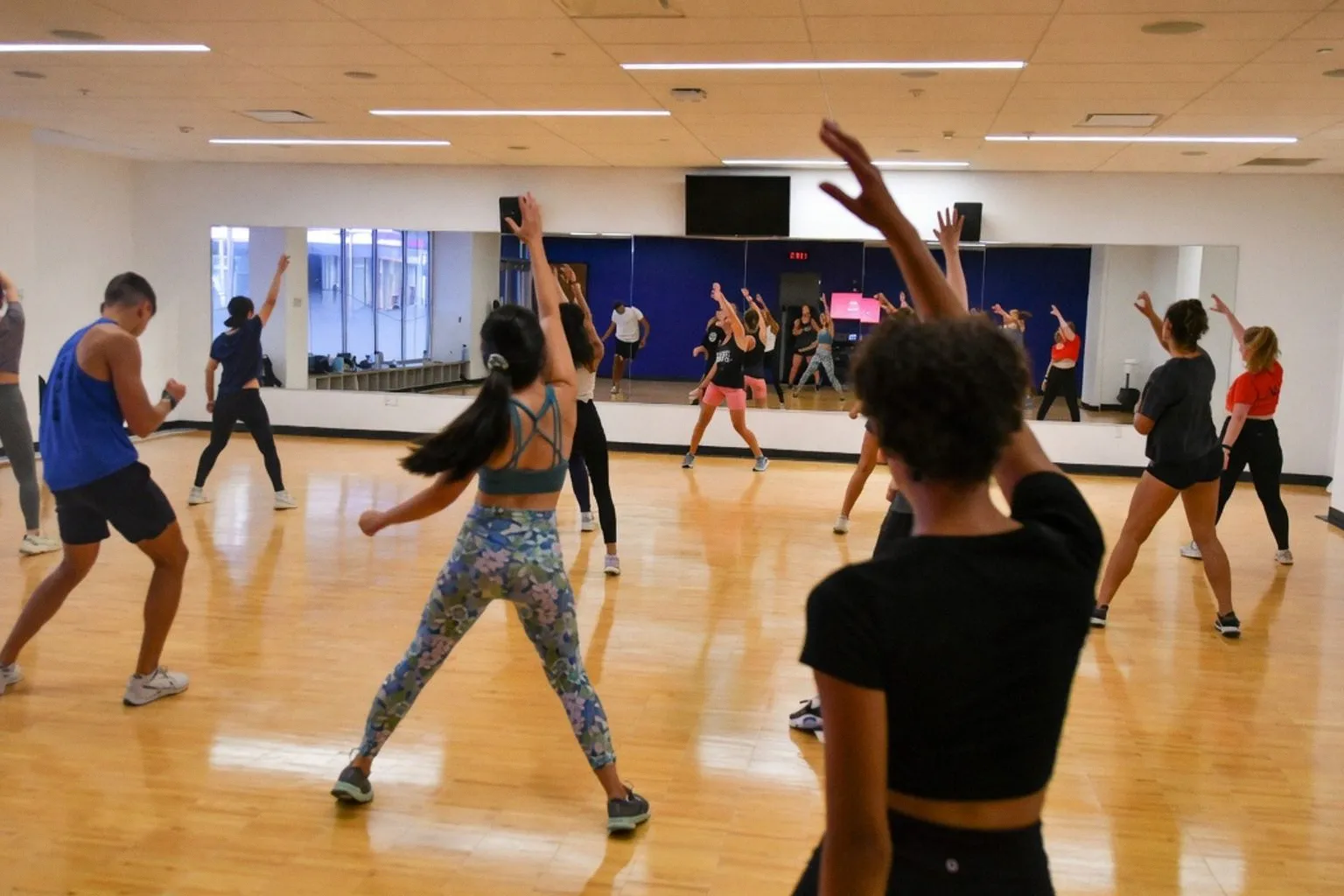
Still, digital fitness changes the setting in a very tangible way. We are often moving through a session without the familiar rhythm of travelling to class, changing in a locker room and returning home. Instead, a mobility flow may arrive between hours of sitting; a short HIIT session may begin moments after a work call. Clothing has to move with that compressed transition rather than become another source of friction.
In this setting, “yoga clothing” does not need to mean a uniform. It means whatever lets the kinetic chain do its work without asking the body to negotiate unnecessary tugging, slipping or bunching first.
Let range of motion be the real test
A home practice gives us a useful fitting room: movement. Before treating a garment as workout-ready, take it through the positions where restriction usually speaks most clearly—arms overhead, a deep hip hinge, a squat, a low lunge, rotation through the thoracic spine and a few slow breaths into the ribs.
Notice the body’s quieter feedback. Does the waistband press as the pelvis tips? Do the shoulders feel free as the arms reach? Does fabric gather at the hip crease when one leg steps back? None of those sensations requires a dramatic verdict, but each can pull attention away from the work of coordinating feet, knees, hips, ribs and shoulders.
The goal is not to push through an irritating fit. It is to choose a layer that lets tension soften where it can, while we keep enough awareness to make each transition deliberate.
Growth headlines, quieter habits
The openPR.com headline places a long-term value on the market and connects its outlook to digital fitness. For the home-training audience, the more grounded response is to resist confusing a growing category with a growing personal need.
One well-tested outfit that supports regular mobility, bodyweight strength or cardio may be more useful than a rotation of pieces that never quite settle against the body. Keep a small note after a session: where did you adjust your clothes, and at which movement did it happen? Over a week, that simple observation can make the next purchase—or the decision not to make one—far more articulate.