Future Outlook: Major Trends Impacting The Home Exercise Bike Market Through 2030
You don't need a market report to know what's already happening on your living room floor. But the data is starting to catch up to what home athletes have been doing for years: the bike is becoming the centerpiece of the at-home training setup.
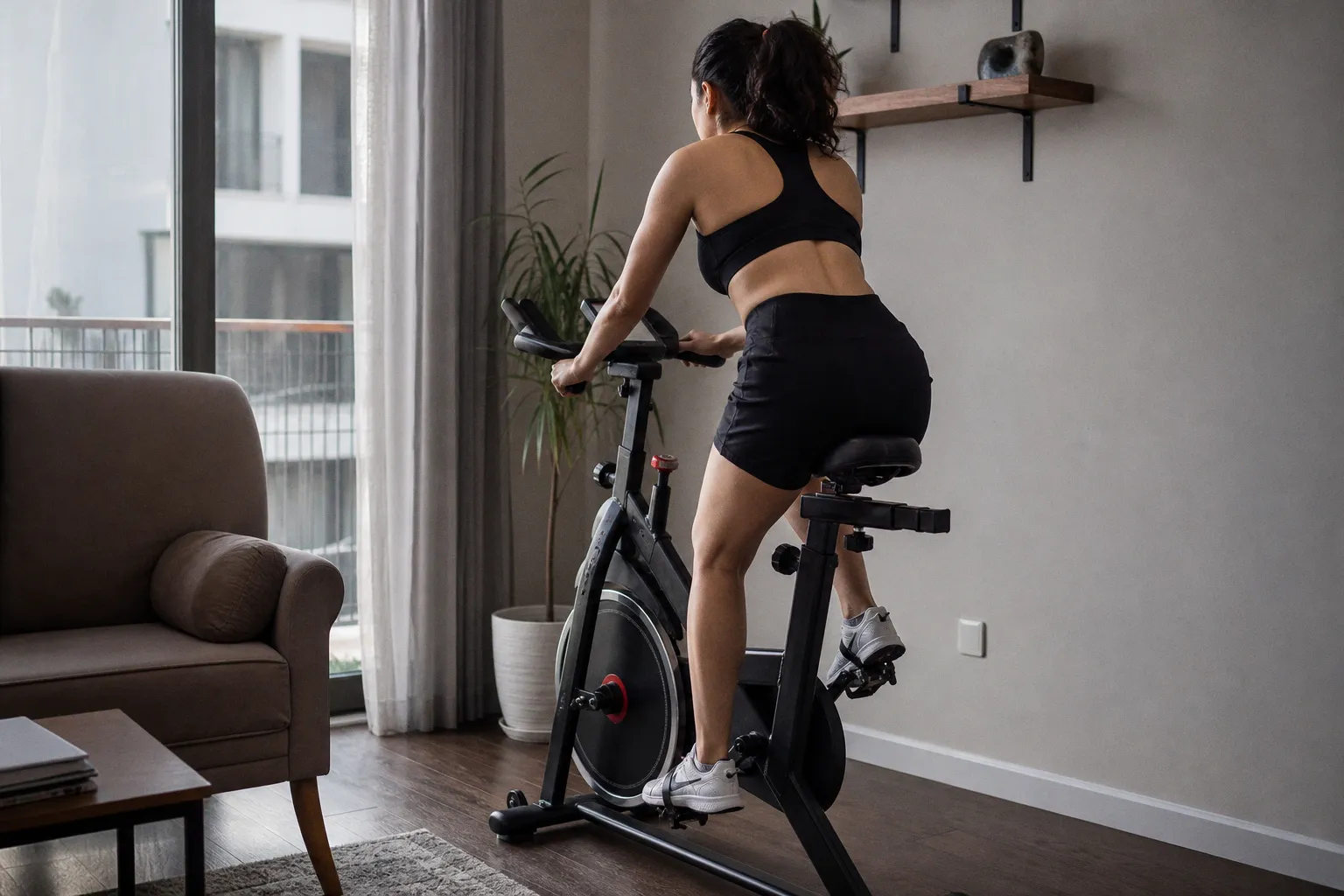
A fresh outlook published on openPR.com is tracking the home exercise bike market through 2030, and the trajectory points in one direction.
The Market Signal
Industry analysts are projecting continued growth in home exercise bikes through 2030, according to the future outlook report published on openPR.com. The piece lands alongside a wider wave of fitness equipment forecasting — IndexBox this week also released an outlook on exercise oxygen equipment through 2035 — signaling that connected cardio hardware is now treated as a long-term category, not a pandemic-era blip. Translation: the companies engineering these bikes expect you to keep pedaling at home.
What This Means For Your Ride
Here is where the report stops and the work starts. A bike is a tool, not a program. If you drop cash on a smart trainer thinking it will fix your conditioning, you'll end up with an expensive coat rack. The trend lines say more people will be buying. That doesn't mean more people will be training.
To actually use the thing, lock in these demands:
- Drive every session with intent. Pick a zone — Zone 2 for base work, Zone 4 for threshold pushes, or short max-effort sprints — and stay there. Soft pedaling while scrolling your phone is not cardio. It's procrastination.
- Pair the bike with bodyweight, don't replace it. The bike builds the engine. Push-ups, pull-ups, and loaded carries build the chassis. A 30-minute ride followed by a 15-minute calisthenics finisher will outperform 60 minutes of one mode.
- Track output, not minutes. Watts, RPM, heart rate — pick one metric and demand it move week to week. If the number isn't climbing, you are spinning in place.
What To Watch
Smart bikes are getting more connected, more gamified, more screen-heavy. That's a feature for engagement, not a substitute for discipline. The market can hand you better hardware, but the grind stays the same. Before you buy, ask whether your current setup — even if it's a budget bike or a jump rope — is being pushed to its limit. It usually isn't.
The report is a forecast, not a finish line. The athletes who actually benefit from this trend are the ones who treat the hardware like a barbell: respect the tool, demand progress, skip the excuses.