The Future of Campus Rec Group Fitness is Educational
Campus Rec Magazine is making a pointed argument: the next era of group fitness inside university recreation centers is educational, not performative. Instructors will spend less time counting reps, more time explaining the physiology behind them.
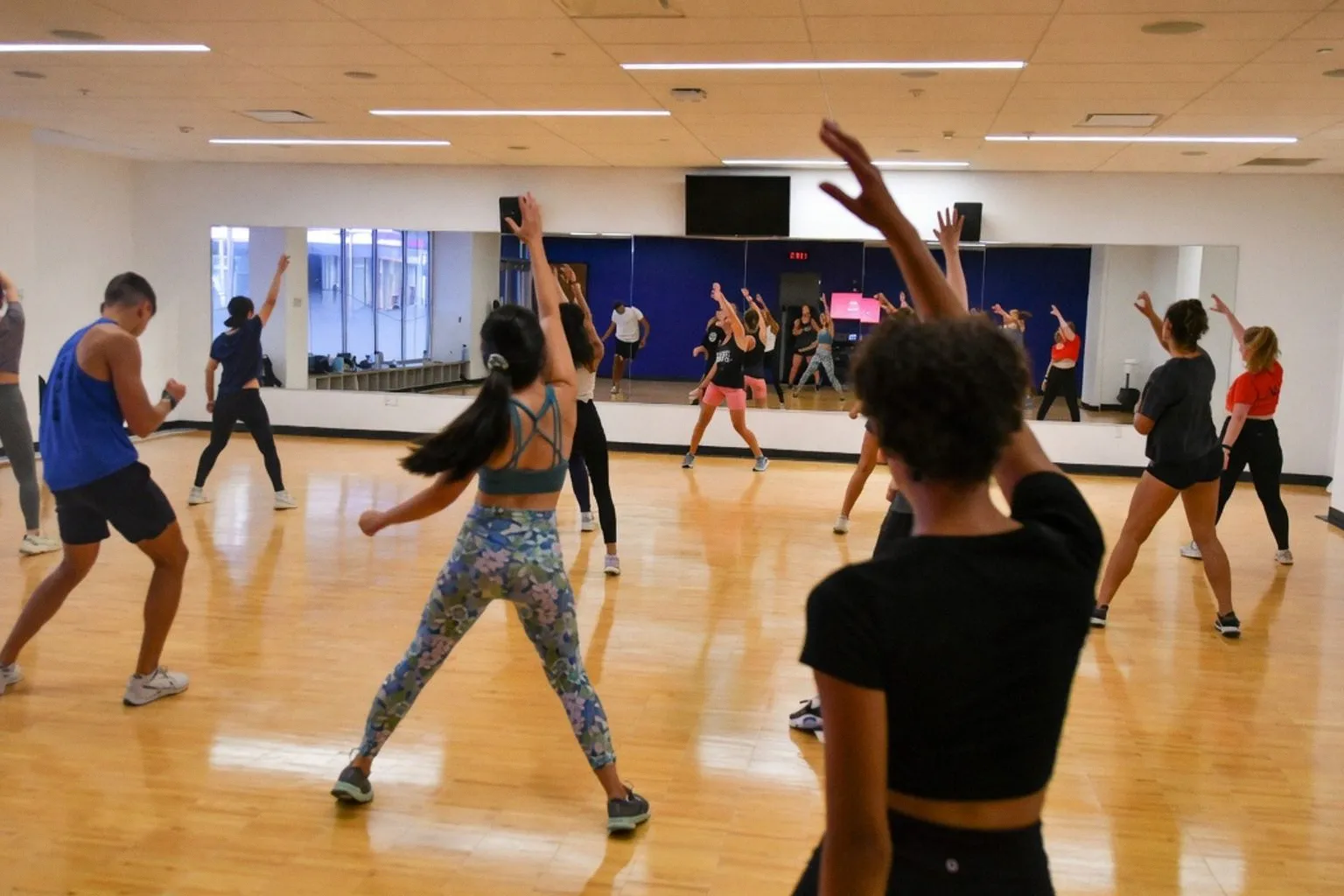
For the home-training audience, the thesis translates cleanly. Most HIIT programs, mobility flows, and bodyweight progressions sold online are rep schemes you could find free. The product that actually holds value is the context: heart rate zone math, load progression, recovery windows, nutrition timing. That's what the campus rec model now says it will sell.
Wearable Data, Zero Fluency
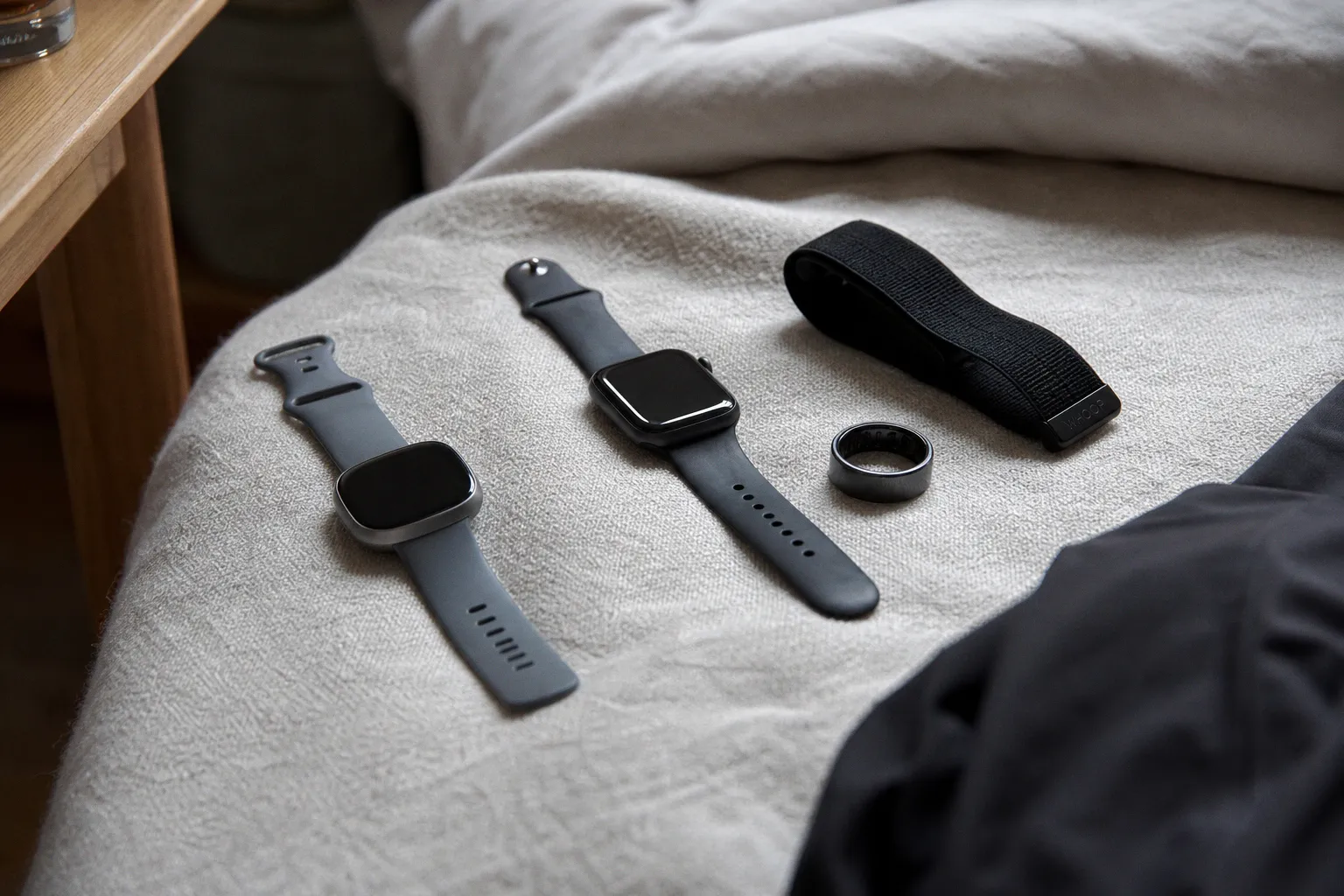
BoxLife Magazine reported the parallel problem: wearable tech tops 2026 fitness trends, yet nearly half of users can't read the data their devices generate. The hardware gives you VO2 max estimates, HRV trends, and sleep stage breakdowns. It doesn't explain when to push, when to back off, or how to adjust load across a training week.
That's the literacy gap. Home trainees hit the same wall. A chest strap logs anaerobic threshold in beats per minute. Without instruction, the number sits in an app and does nothing. The capture is easy. The application is not.
The capital flow tells you where the industry thinks the answer lives. UK startups pulled in $17 billion in venture funding during the first half of 2026, with 74% of that money going to AI ventures, according to recent reporting. Fitness platforms are a slice of that investment. Smarter algorithms are coming. Smarter users are not guaranteed.
What "Educational" Should Actually Mean
A few hard filters before you sign up for any class — campus or commercial — that brands itself as educational:
- Instructor credentials. Degrees in exercise science or kinesiology, not weekend certifications.
- Curriculum transparency. If the weekly schedule isn't published in advance, it's choreography with a marketing veneer.
- Outcome metrics. Drop-in rates are noise. Retention and measurable fitness change are signal.
Bevel's addition of Google Health support for Fitbit Air users, reported by Gadgets & Wearables, is another data integration layer. More connections. Same literacy ceiling. The bottleneck sits in the user, not the hardware.
Verdict
Skip the branding. The educational model is worth your time only if it produces better data interpretation and smarter weekly programming. If it produces better playlists and a friendlier room, it's a social club, not a training program.