Cardiovascular Health Prevention for Athletes: The Variable You're Ignoring Now
A cluster of cardiovascular-focused pieces landed this week, aimed at people who train hard. AOL framed cardiac prevention for athletes around an overlooked variable.

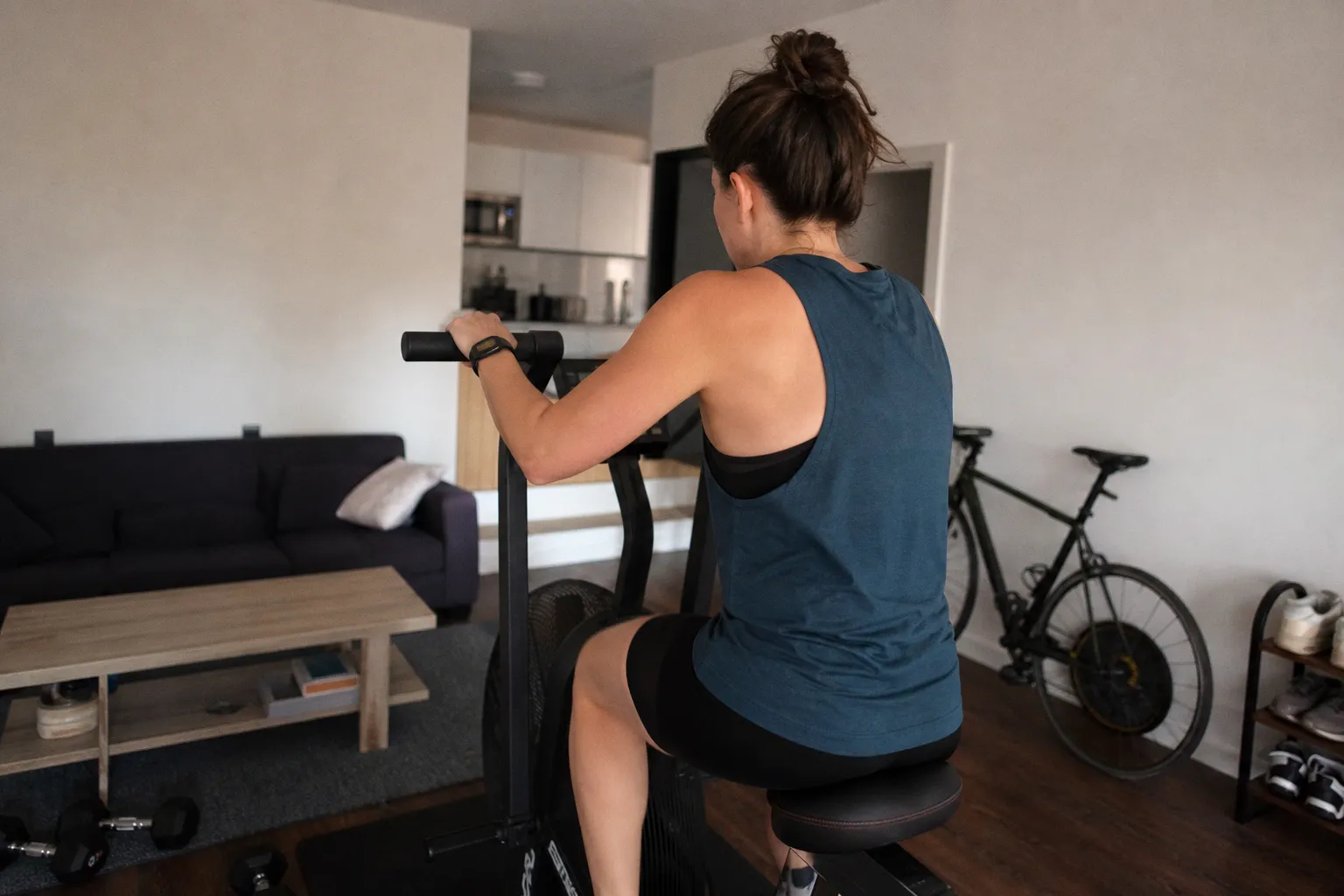
For a home-training audience running HIIT, threshold intervals, and bodyweight circuits, the throughline isn't new hardware. It's baseline cardiovascular screening.
The signal in three publications
ZMR's forecast, published via GlobeNewswire, projects the commercial fitness equipment market at US$ 29.87 billion by 2034, growing at an 8.42% CAGR. Cited drivers include gym franchising, corporate wellness, preventative health trends, and connected fitness tech. The relevant line: preventative health. Capital is moving toward prevention infrastructure, not just equipment.
Nature's WHF roadmap treats cardiac rehabilitation as a lifelong pathway, not a post-incident protocol. The AOL piece flags a single ignored variable in athlete prevention — the specific variable isn't detailed in the available source material, but the framing is consistent across both pieces: prevention precedes the event.
That gap matters for home trainees stacking high-intensity work without a baseline cardiac read. Training load is one variable. Cardiovascular capacity to absorb it is another. Most programs treat them as identical. They aren't.
Practical triage for home trainees
No clinic visit required for a first-pass screen. Three checkpoints worth logging weekly:
- Resting heart rate, same time, same conditions. A consistent upward drift over 4–6 weeks warrants a clinician conversation.
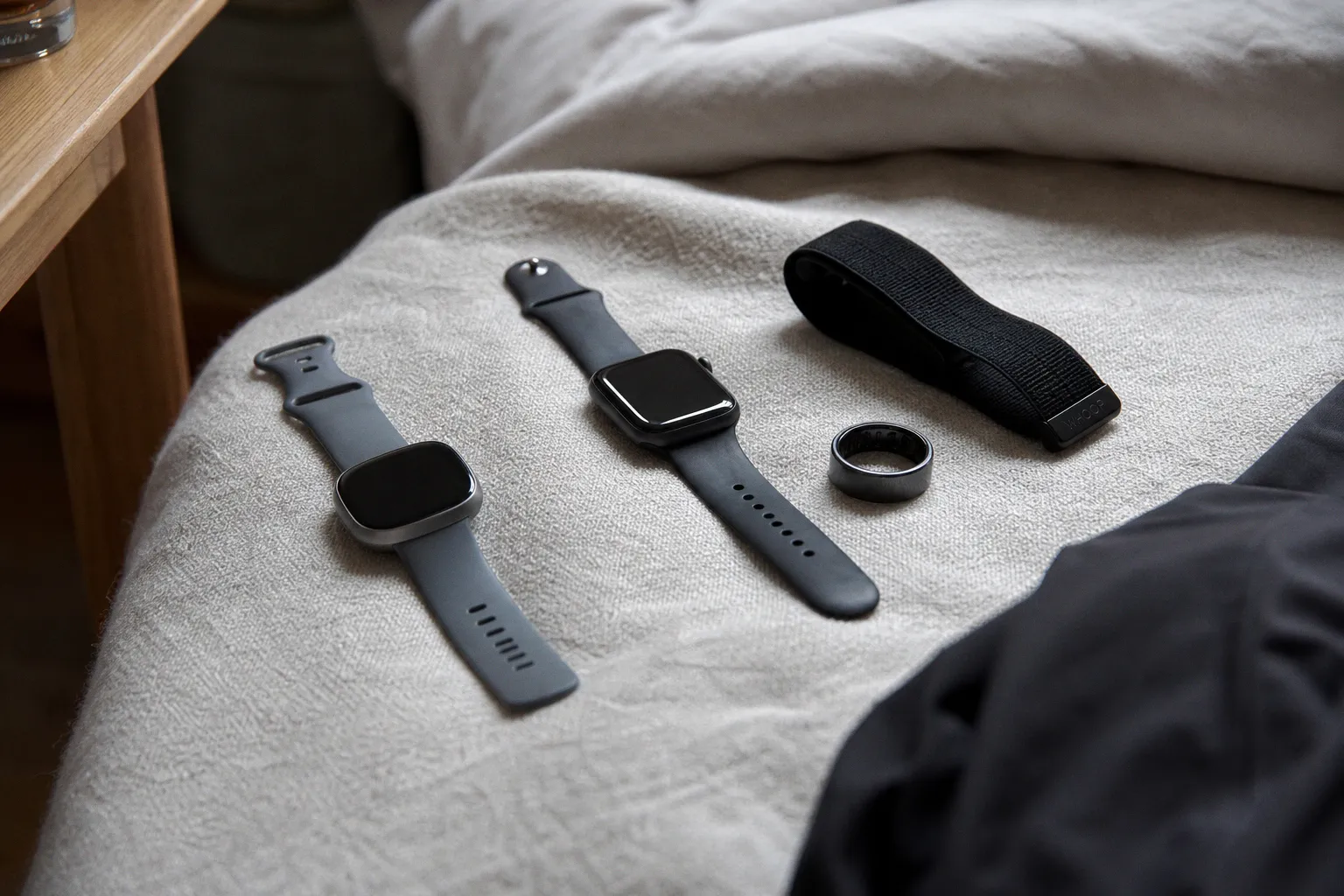
- VO2 max estimate from wearable data. Single readings are imprecise. The trajectory is the data point that matters.
- Post-interval heart rate drop at 60 seconds. Flat or worsening recovery curves signal cardiovascular drift before symptoms surface.
None of this replaces a formal stress test, lipid panel, or blood pressure workup. It's a triage layer between self-reported "fine" and clinical screening — the kind of data a coach can flag without diagnosing anything.
The binary
Don't buy connected fitness hardware marketed as cardiac prevention. Do treat cardiovascular screening as a training variable, filed alongside volume, load, and sleep. The ROI is arithmetic: a stress test costs less than a cardiac event.