Fitness Business-Focused Intelligence Layers
Two trend signals crossed the desk this week, and together they sketch the same picture: the home workout is being repackaged as a data product, not just a set of exercises.

What the data layer is, stripped of marketing
The Technogym note describes the company's pitch as premium hardware wrapped in a connected ecosystem: treadmills with integrated screens, on-demand training content, app sync, and performance tracking aimed at commercial gyms, hotels, corporate wellness rooms, and high-end home buyers. The source frames the edge as integration — hardware and software sold together — rather than raw specs. That distinction matters for a home trainee. A $4,000 treadmill that logs heart rate, pace, and interval splits is not the same product as a $4,000 treadmill that just runs. One is a measurement tool, the other is a noisemaker.
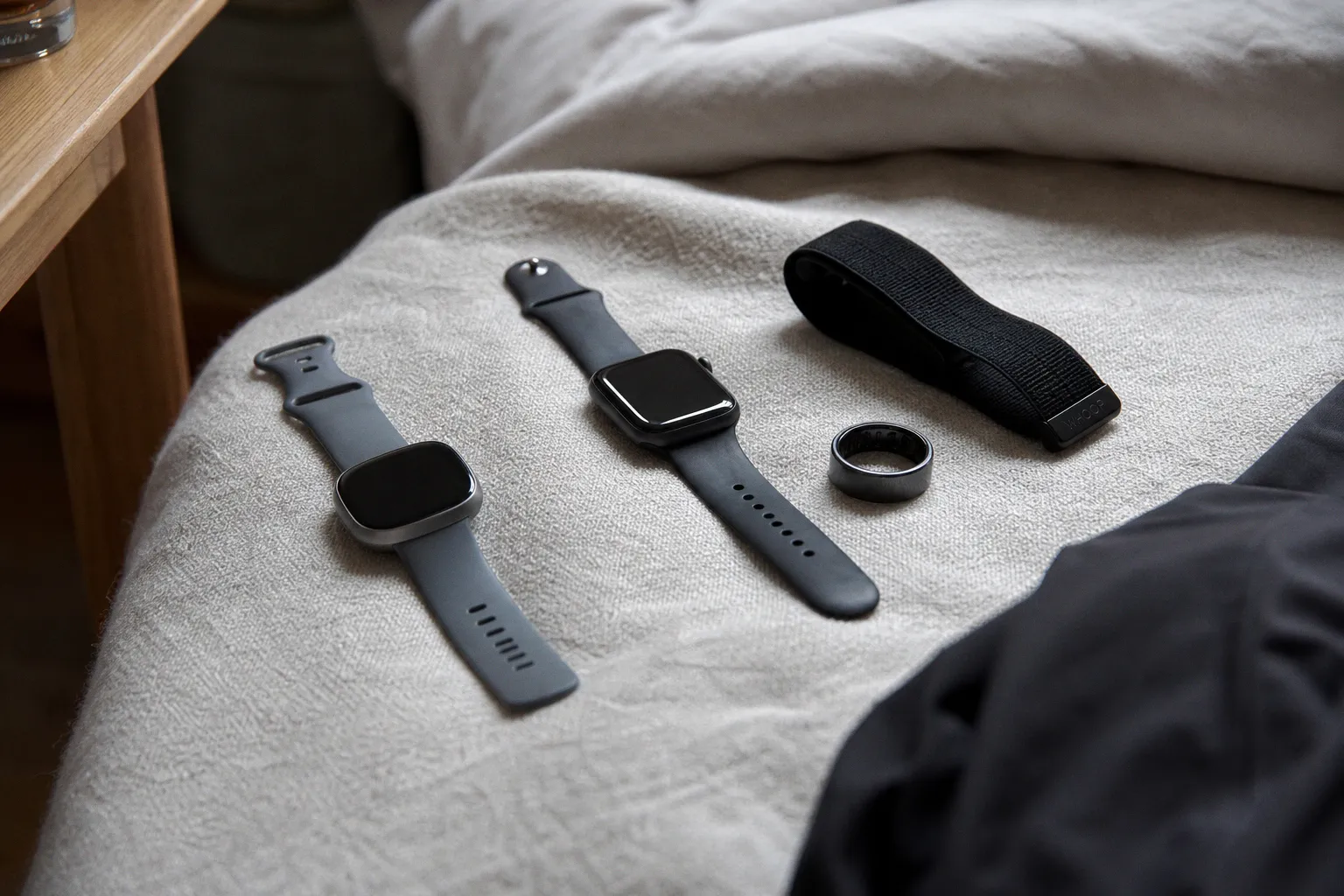
Trend Hunter's "intelligence layers" headline, from what's currently available, points in the same direction: fitness brands stacking software, AI coaching, and biometric feedback on top of the same bodyweight and cardio moves people already do. No performance numbers are published in the snippet, so the claim is structural, not quantitative. Treat the data-layer story as a trend signal, not a measured result.
What it means for a home HIIT block
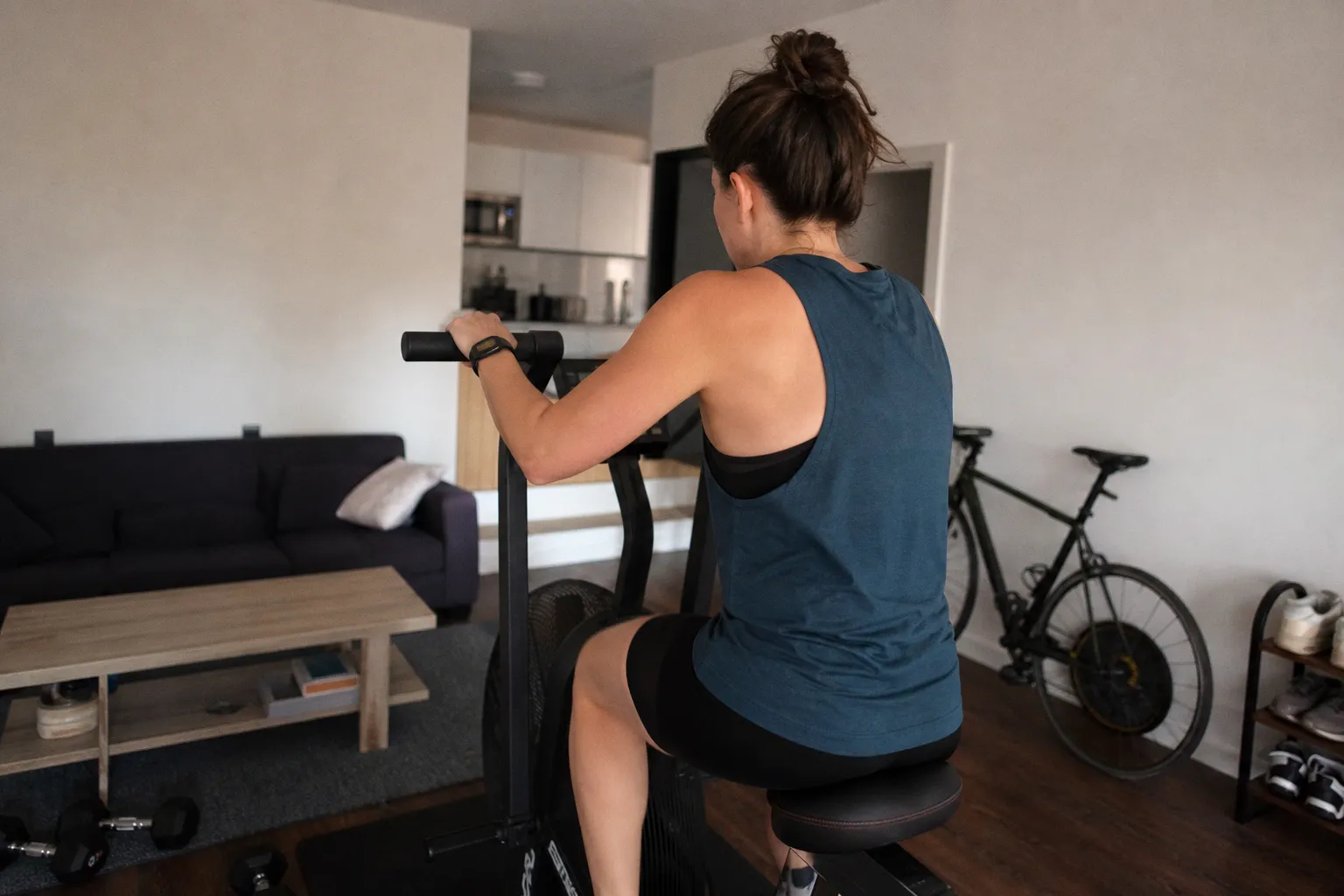
For home HIIT users, the practical filter is ROI per minute. The Technogym writeup cites interval training, performance tracking, and integration into broader wellness programs as core use cases — not just steady-state cardio. That tracks. A connected console only earns its cost if it changes how you train: tighter work-rest ratios, real HRV or heart-rate data during intervals, and honest recovery feedback instead of guesswork. If the screen just streams a coach yelling "30 seconds left," the intelligence layer is decorative.
The broader claim — that older consumers train longer and younger consumers treat fitness as identity — is plausible but unverified in the source. What's verifiable is the business logic: connected hardware supports higher margins than generic equipment, which is why brands are pushing it. That doesn't mean it's better for you. It means the price tag now includes a software subscription you can't easily skip.
What to watch
The honest test for any "intelligent" home fitness layer is whether it survives one month without a manual. If you still need the coach on screen to count intervals and pace recovery, the layer is content, not intelligence. If it feeds back real numbers — VO2 estimates, anaerobic threshold drift, session-to-session load — and they change how you program the next session, the layer pays for itself. Everything else is a repackaged YouTube tab with a credit-card requirement.