My Fitbit Air test revealed the flaws of calorie counting with a health tracker - here's why
bit Air reads within 1–2 bpm of a Polar H10 chest strap during walking. The moment intensity ramps, the gap blows open to 32 bpm in a single minute.
The Heart Rate Delta Is the Only Number That Matters
During a ZDNET gym test against the Polar H10—commonly treated as the consumer reference closest to a Lead II ECG—steady walking tracked within 1–2 bpm. The numbers diverged the second running started. One minute in: Polar 141 bpm, Fitbit Air 109 bpm. The next minute: Polar 128 bpm, Fitbit 112 bpm. A 32 bpm delta, then a 16 bpm delta. Only after calibration did the Air catch up to the chest strap.
Why this matters for HIIT programming: calorie expenditure models feed directly off heart rate data. A 32 bpm gap during a sprint interval underestimates energy cost, misrepresents average HR, and skews recovery scoring. Steady-state cardio tracking is acceptable. Interval intensity tracking is not.
Sensors, Screen, and the App Bottleneck
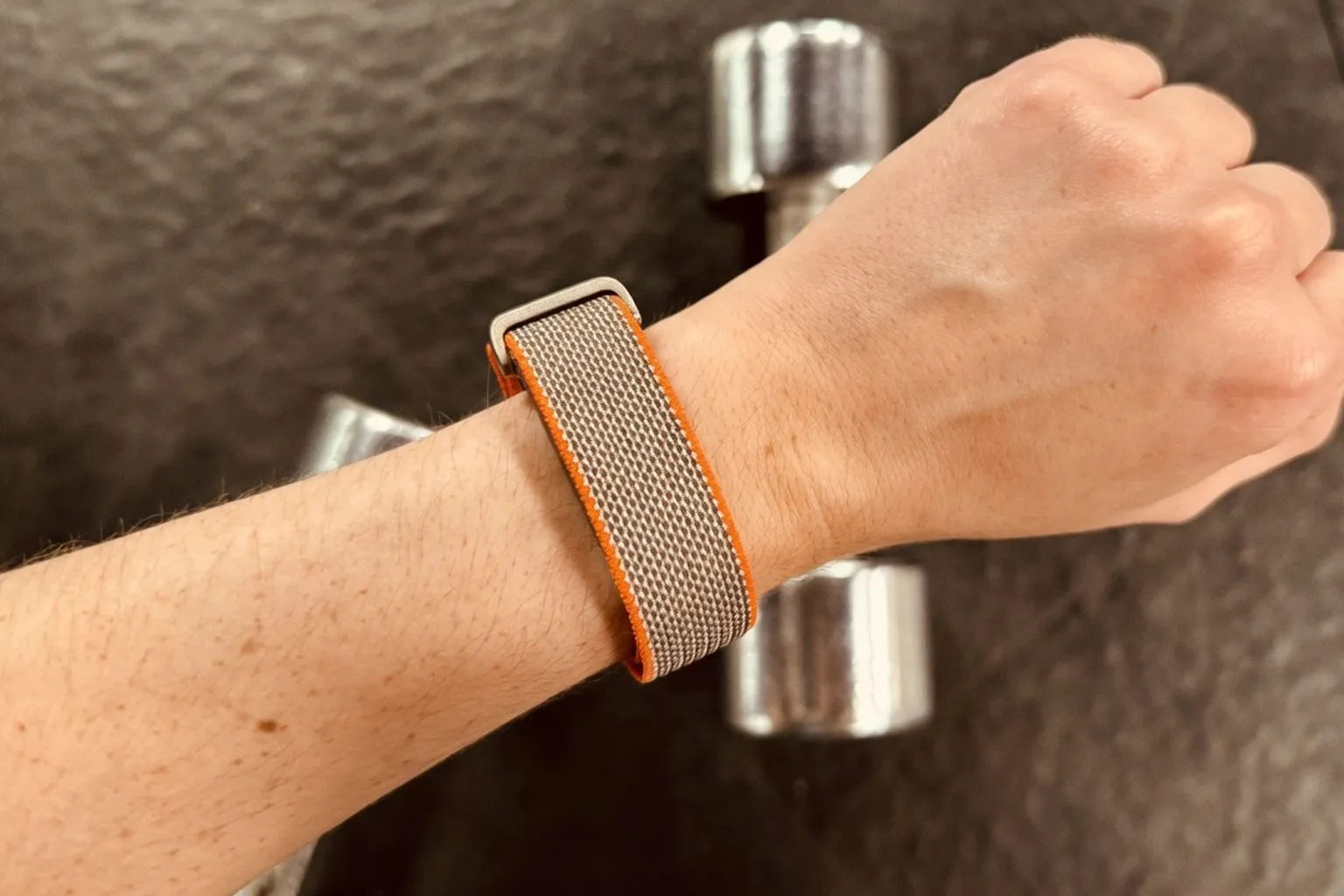
Fitbit Air records four data streams: heart rate, movement, blood oxygen, skin temperature. No display on the device. The only feedback the hardware offers is a vibration motor for silent alarms and a small battery light. Every stat, setting, and trend lives inside Google Health, which becomes screen, dashboard, and configuration hub simultaneously.
Gadgets & Wearables notes the hardware is light, comfortable, and forgettable on the wrist—easy to wear for days, including sleep. Setup is clean: pair through Google Health, grant permissions, fade into background. The structural limit is the missing display. Mid-workout feedback requires the phone. For HIIT circuits, tempo runs, or timed intervals, that friction defeats the point of strapping on a wearable.
Buy or Pass for HIIT and Cardio Programming
$99 is fair. Comfort leads the spec sheet. Sleep tracking, silent alarms, and passive monitoring work as advertised. Heart rate accuracy during dynamic effort and calorie burn precision during intervals do not.
Buy it if the goal is a lightweight sleep and step tracker you stop noticing. Pass it if training depends on accurate live heart rate response, interval calorie accounting, or real-time intensity feedback. The Polar H10 remains the control for a reason—wrist-optical sensors during movement are still a marketing compromise dressed up as a fitness tool.