These are the budget fitness trackers we'd recommend for beginner runners
After Prime Day wrapped, a cluster of fitness tracker discounts held over into early July. For beginner runners, the math is simple: you need reliable GPS, accurate heart rate under effort, and basic training load data. Anything else is accessory weight.

Here's what the current sale stack actually delivers, filtered through that lens.
Fitbit: cheap entry, real trade-offs
The Fitbit Inspire 3 sits at $66.45 — $30 below typical street price. Screen, step tracking, basic heart rate. No built-in GPS. Your phone handles positioning, which means battery drain, signal dropouts, and inconsistent pace data on outdoor runs. For a runner, that's a compromised tool.
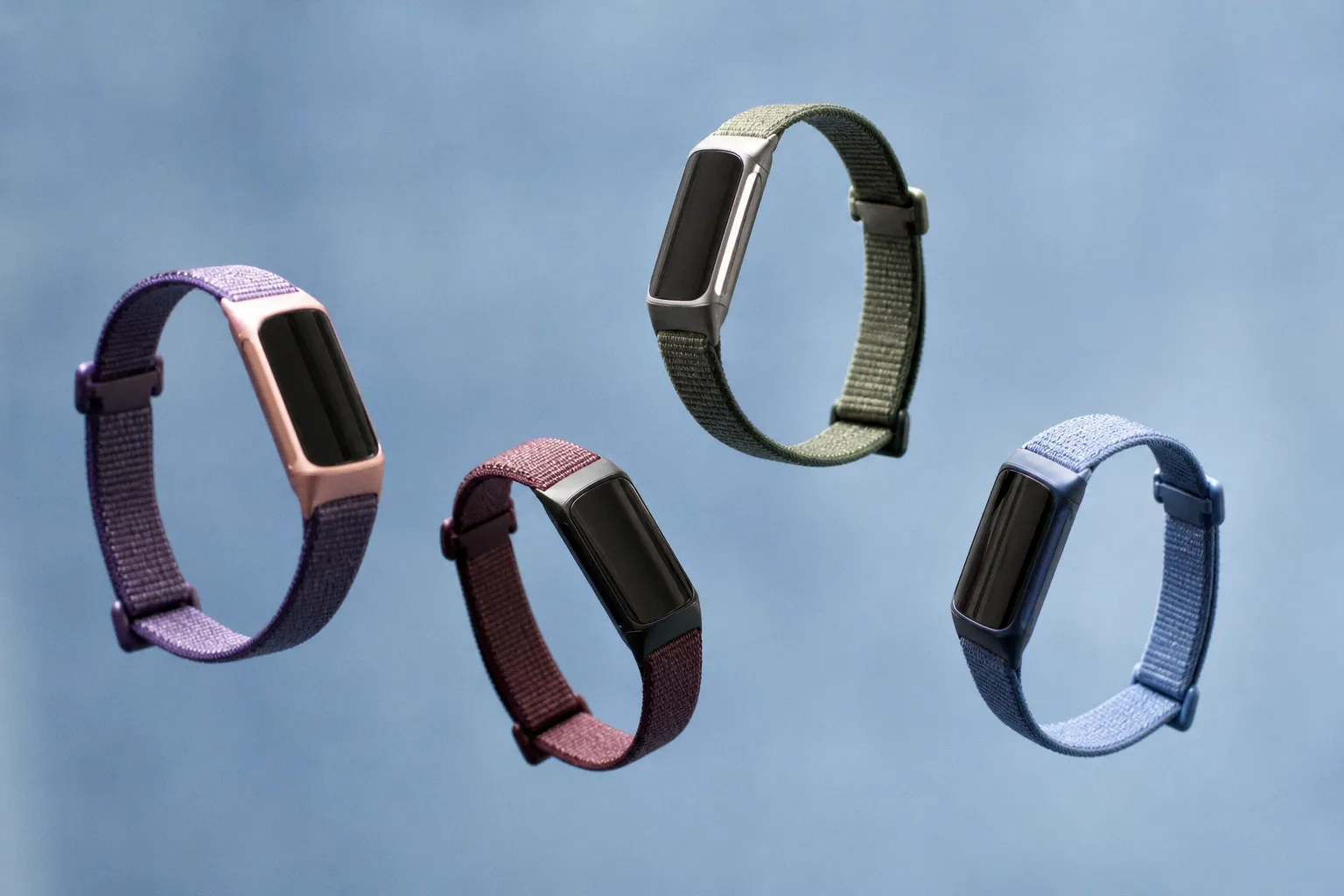
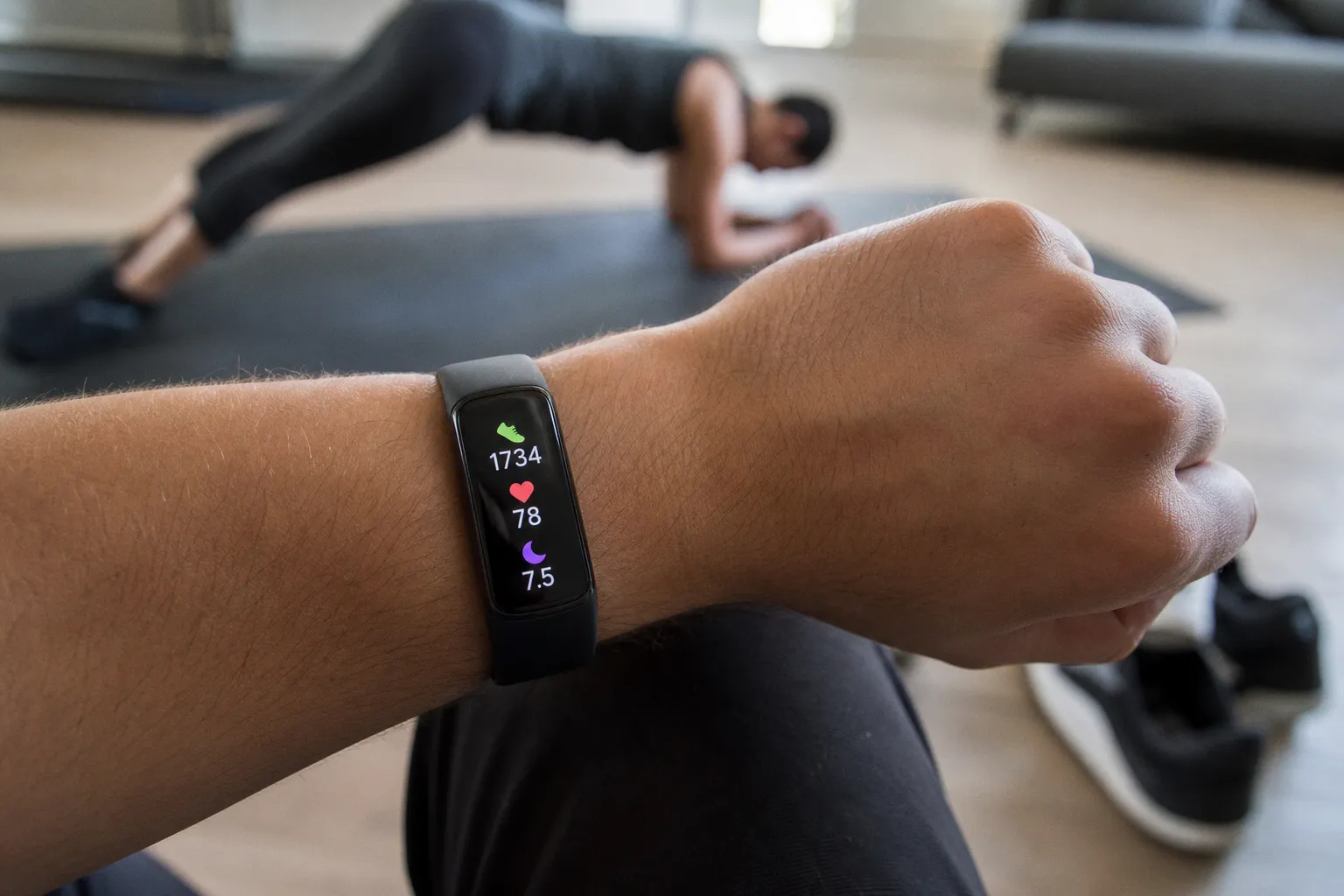
The Fitbit Charge 6 at $85.45 ($60 off original) is the relevant model. Built-in GPS. Standalone run tracking. Heart rate accuracy holds for steady aerobic work, degrades under sprint intervals — a known limitation across the Fitbit line. Both the Charge 6 and Inspire 3 sync with the Google Health app, the same ecosystem as the newer screenless Fitbit Air.
For related context, see Coalition for Metabolic Health Hosts First Congressional Briefing on Nutrition.
For related context, see June's 12 Best Pieces of Gear.
At this tier, the Charge 6 is the only one worth buying if running is your primary modality. The Inspire 3 works as a general activity tracker; it doesn't work as a running tool.
Garmin: where the running metrics earn the price
Garmin's summer sale continues. Newer Forerunner 70 and 170 releases pushed older models into discount territory. Three stand out for beginners:
Forerunner 55 — $129.99 (was $199.99). The basic Garmin running watch. No advanced mapping, no power metrics. Pace, distance, heart rate zones. It was reportedly good enough for elite marathoner Sabastian Sawe to wear during a sub-2-hour barrier attempt. Price dropped further on Prime Day's final day — lowest recorded by a wide margin.
Forerunner 165 — $199.99 (was $249.99). Mid-tier workhorse. Training status, recovery time, basic running dynamics. Music version runs $50 extra — skip unless you run phone-free and want on-wrist storage.
Forerunner 265 — $349.99 (was $449.99). Dual-band GPS. Power meter compatibility. Advanced training analytics. This was flagship-tier at launch, now displaced by newer Forerunners. Overkill for a beginner, justifiable if you're committing to years of structured training.
For runners splitting time between training and general wellness, the Vivoactive 5 at $189.99 (was $229.99) is the hybrid option. Touchscreen-dominant interface, two physical buttons for workout start, stop, and lap. Sleep tracking, stress metrics, running basics in one device.
The filter: what actually matters
GPS accuracy > screen size > app ecosystem > smartwatch features.
Under $100, you're buying entry-level data capture. Fine for a Couch to 5K plan, insufficient for tempo work or race prep.
The $190–$250 range is where training load metrics enter the picture. Heart rate zones, recovery time, weekly mileage trends become usable on-wrist.
Above $300, you're paying for dual-band GPS and power meter support. That matters at race pace. It doesn't matter on easy recovery runs.
Verdict for a first-time runner: Fitbit Charge 6 at $85.45. Built-in GPS, lowest recorded price, no subscription for core features.
Verdict for someone training through a fall race: Garmin Forerunner 165 at $199.99. The upgrade point where training metrics become actionable rather than decorative.
Skip the Forerunner 265 for now. Skip the Oura Ring 4 premium finishes at $399 — it's a recovery tracker, not a running tool. Revisit both when you've logged the base mileage to justify their feature sets.