Whoop vs. Fitbit Air: I used both to track my health and fitness for a month - this one's better
A ZDNET editor spent a month with Whoop, then stacked the new Google Fitbit Air against it on specs alone — the source itself notes no hands-on testing of the Air yet. Both bands ditch the screen. Both run on apps. Both chase the same four metrics.

The price gap is where the decision lives: $100 once versus $200–$360 per year.
Cost as the deciding variable
Whoop charges an annual subscription. $200 entry tier. Climbs to $360.
Fitbit Air costs $100 upfront. No subscription required.
Year-one cost on Whoop runs 2x to 3.6x higher. For someone training with HIIT or bodyweight circuits at home, that delta decides the entire ROI argument before a single metric is measured.
Battery and form factor
Both wear as screen-less bands. Both rely on a phone-based UI.
Whoop battery: 14 days.
Fitbit Air battery: 7 days.
Whoop lasts twice as long per charge. For high-sweat intervals and overnight HRV data, fewer charging interruptions means tighter data continuity. Hardware stamina edge: Whoop.
App layer — and the fine print
Fitbit Air sits inside the Google health stack — same architecture as the Pixel Watch. Sleep, steps, readiness show up in the base app.
Google's AI Health Coach unlocks richer data visualization and multi-metric comparisons — but only behind Google Health Premium. That's a second subscription layered on top of the $100 band.
The "no subscription" pitch has a footnote.
Whoop's app now ships with blood-test ordering through the platform. Fitbit Air doesn't match that. For trainees tracking biomarkers alongside training load, Whoop pulls ahead on app features.
Tracking scope
Both track: activity, sleep, recovery, stress.
Neither publishes independent validation in the available source. Treat recovery and stress scores as directional — useful for dialing HIIT session intensity day to day, not diagnostic.
Who each one is built for
The source frames Whoop as catering to serious athletes and Fitbit Air as mainstream, built for regular users at an approachable price. That positioning lines up with the cost structure.
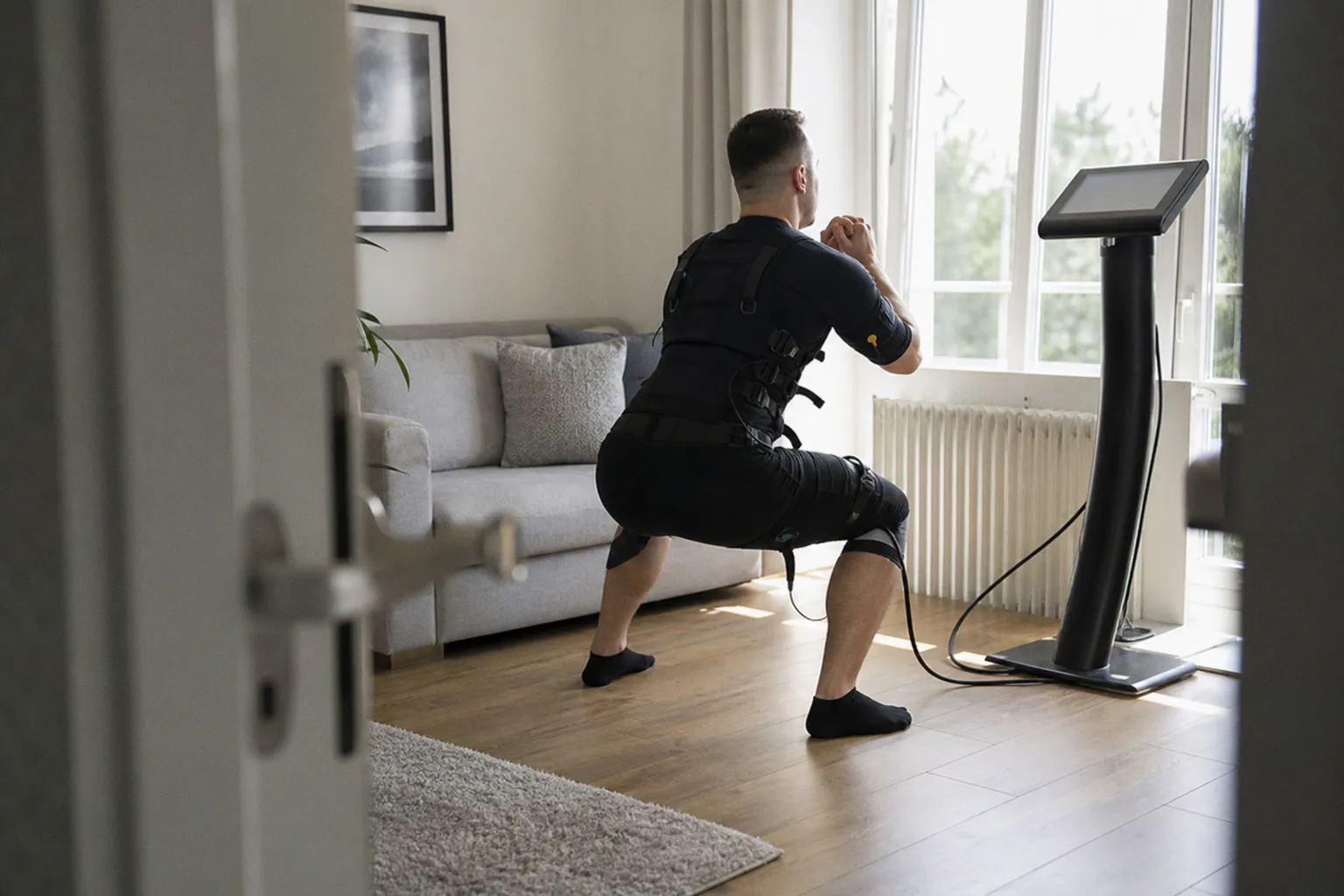
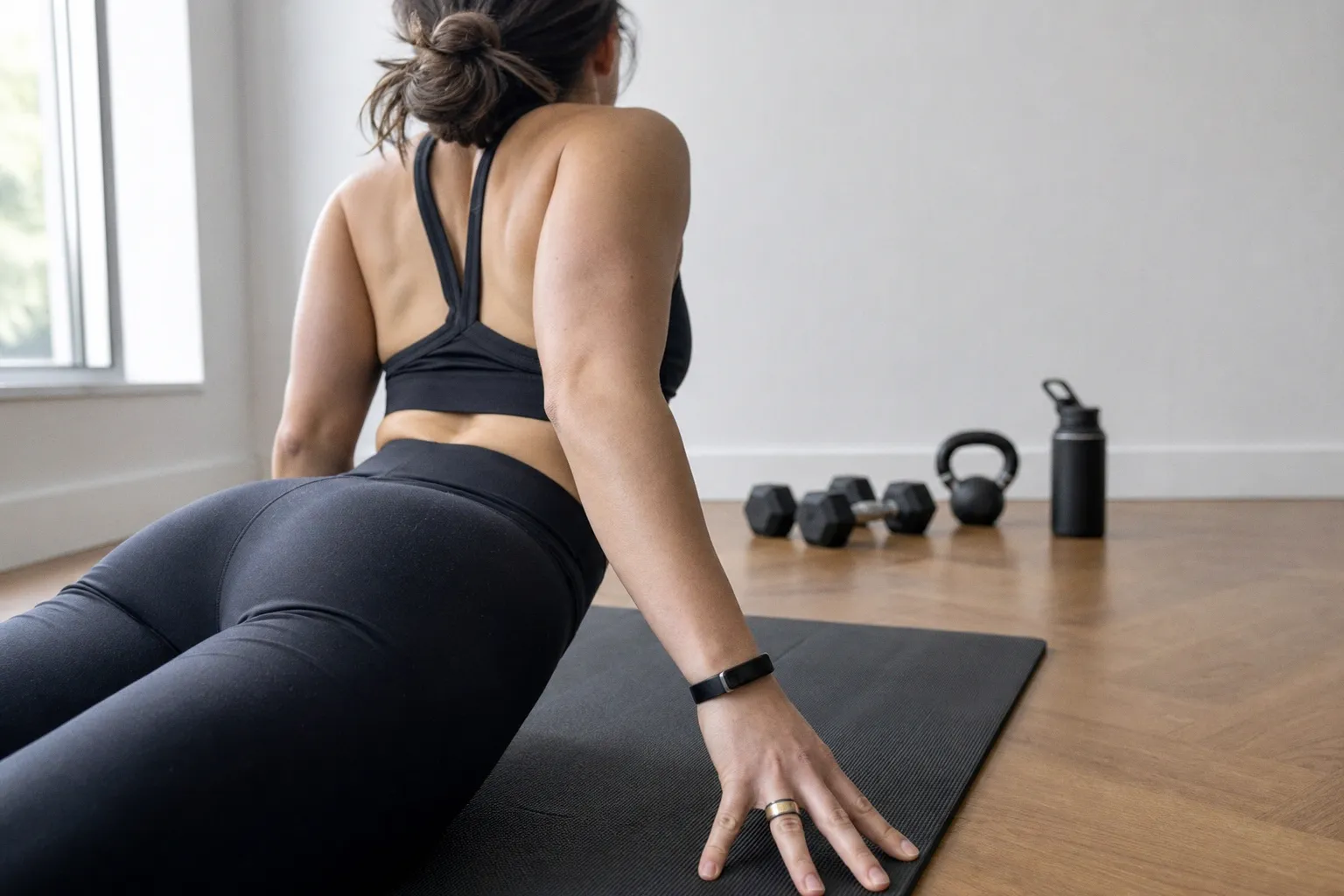
For home-based HIIT and bodyweight work, the question is simple: do you want a recurring bill attached to your training data, or a one-time hardware buy?
Verdict
Buy Fitbit Air if you train at home, want recovery and sleep metrics, and refuse recurring fees. $100 covers the hardware.
Stay on Whoop if you already pay the subscription, train twice daily, or need 14-day battery off-grid.
Pass on both if all you need is a step counter. Either device overshoots that use case at this price.