Why Vigorous HIIT Outperforms Moderate Cardio for Women Over 50
According to MindBodyGreen, a study found that vigorous-intensity exercise—not moderate, stay-comfortable activity—is the primary driver of cardiorespiratory fitness improvements in women over 50.
Research examining midlife women just undercut decades of standard cardio guidance. According to MindBodyGreen, a study found that vigorous-intensity exercise—not moderate, stay-comfortable activity—is the primary driver of cardiorespiratory fitness improvements in women over 50. That's a direct challenge to the "just walk 30 minutes" playbook this demographic has been handed for years.
Missing Metrics
Here's the frustration: the reporting available doesn't publish sample size, study duration, training frequency, or specific VO2 max deltas. We get the conclusion—vigorous beats moderate—but not the dose-response curve. For anyone programming home HIIT sessions for this population, that's a critical gap. Without knowing whether the protocol was two sessions per week or five, 20-minute bouts or 45, the actionable takeaway stays fuzzy. Demand the full paper before restructuring your programming.
What Counts as "Vigorous"
The study flags the intensity tier as the decisive variable. In practical terms, vigorous work typically means heart rate pushed well above a conversational pace—intervals that genuinely tax the anaerobic threshold. Think sprint-walk repeats, aggressive bodyweight circuits, or jump rope intervals where rest is earned, not assumed. For women over 50 managing shifts in recovery capacity, bone density, and hormonal profile, that intensity tier requires structured progression. Start too aggressive, injury risk climbs. Stay too conservative, and per this research, you're essentially underdosing the stimulus.
The implication for home training is clear: a daily 30-minute moderate walk isn't moving cardiorespiratory markers the way one properly intense 20-minute session might. Intensity, not duration, is the lever.
The Home Training Application
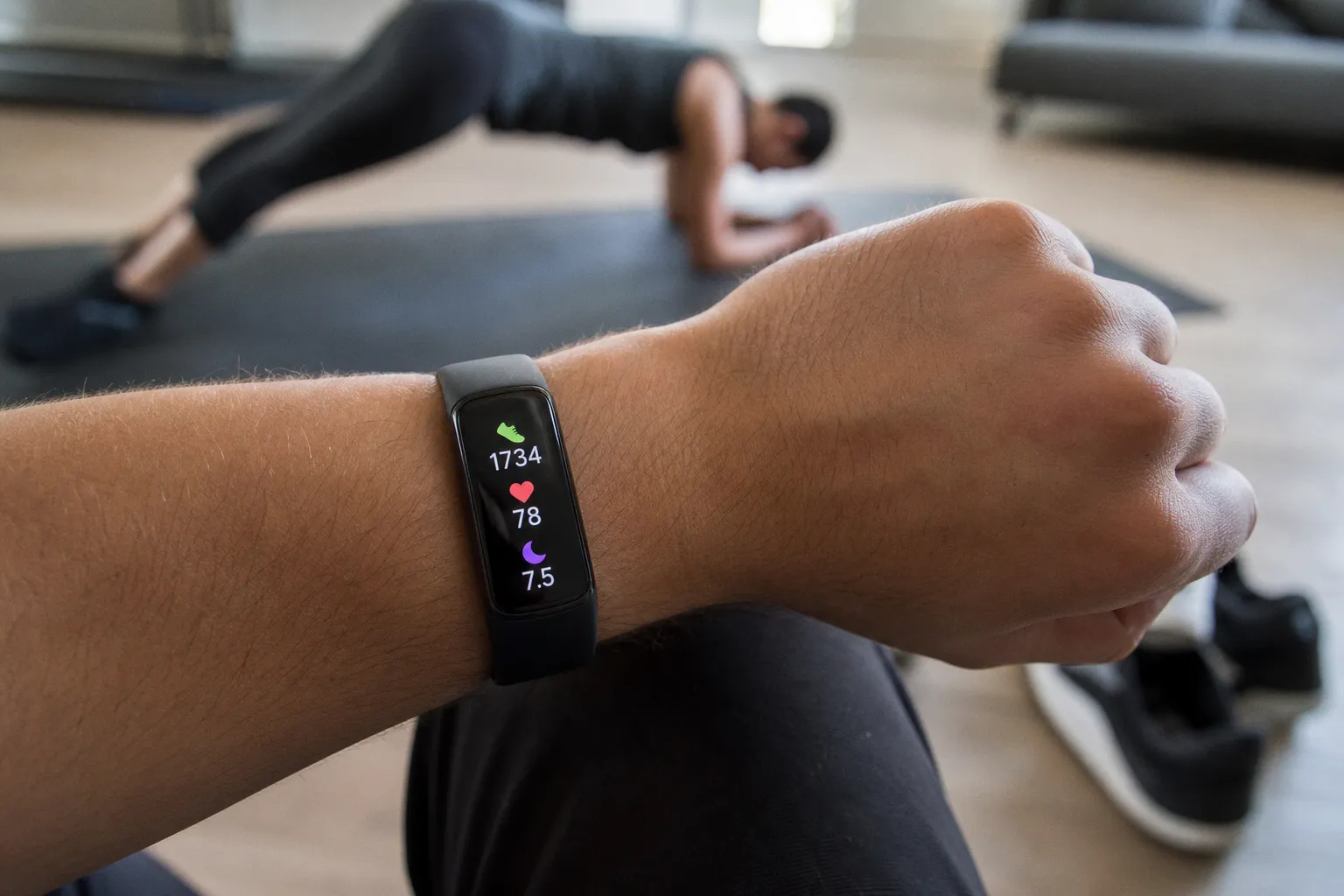
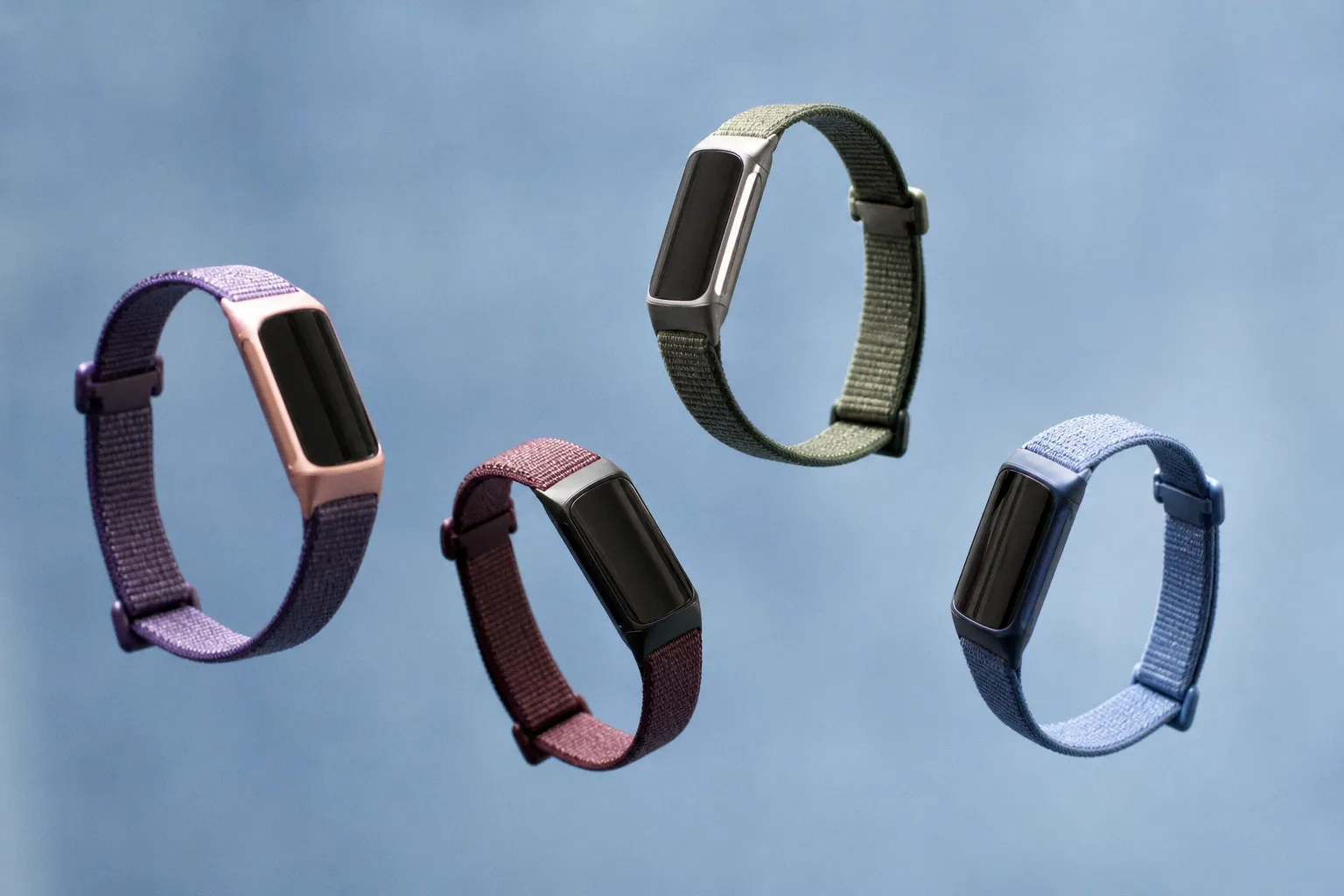
No gym needed. Vigorous intervals demand zero equipment—burpees, mountain climbers, high-knee sprints, or alternating lunge jumps deliver the load. The non-negotiable is measurement. Perceived effort is unreliable, especially for those accustomed to moderate work. A chest-strap HR monitor or reliable wrist-based sensor removes guesswork. Track average heart rate, time in target zones, and recovery heart rate drop. If you're not spending meaningful minutes above roughly 80% of estimated max heart rate, the session likely doesn't qualify.
One or two genuinely vigorous sessions per week, layered around mobility and recovery work, appears to be the minimum effective dose this study's finding implies—though exact prescription awaits more detailed reporting.
The verdict based on available data: moderate-intensity cardio alone underserves women over 50 chasing real cardiorespiratory gains. Push into genuine vigorous effort. Measure it. Recover deliberately. The science is pointing the same direction coaches working with this demographic have suspected—but now there's research weight behind it.