Fitbit Charge 6 Continues to be the Tracker That Turns Everyday Health Data Into Actionable Habits in 2026
Fitbit's Charge 6 has quietly dropped to $76 from its original $159.95 — a 52% markdown that shifts the cost-benefit math for anyone tracking HIIT sessions on a wrist instead of a chest strap.

The headline number that matters for interval work: heart rate during spinning, rowing, and high-intensity intervals tracks closely with chest strap readings, per TechEBlog's hands-on. That's the one metric where wrist optical sensors historically fail, so getting within margin of a Polar H10 isn't a minor detail. It's the difference between training in the correct zone and guessing.
What Actually Moved the Needle
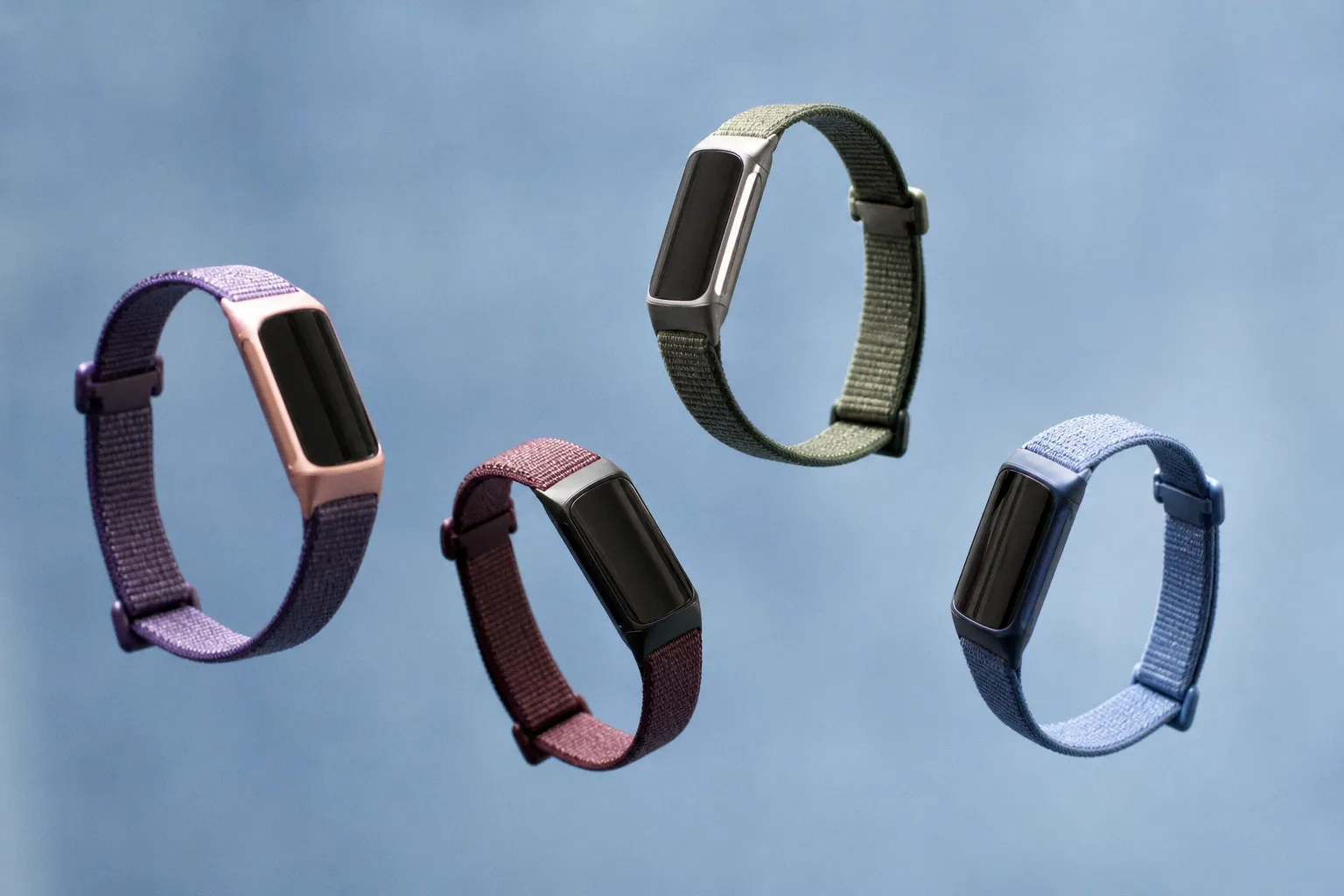
Step counts and distance estimates for walking and jogging haven't changed from prior generations. Fine. Those fundamentals were already solved. The Charge 6 isn't selling novelty — it's selling trustworthy HR data under load, plus 40+ exercise modes with auto-detection, and the return of a physical side button after years of swipe-only navigation. Built-in GPS means phone-free outdoor sessions. Real-world battery sits at 4–7 days depending on screen brightness, GPS use, and sync frequency. For multi-day recovery tracking, that range is the difference between useful longitudinal data and scattered noise.
Sleep staging, overnight SpO2, and skin temperature variation monitoring feed into the Daily Readiness and stress management scores — the variables that decide whether today's session is a threshold push or an easy spin. Compact profile, lightweight build, two band sizes. It disappears on the wrist, which is exactly what recovery tracking demands.
The ROI Cut
At $76, the Charge 6 sits in the same bracket as stripped-down bands that lack chest-strap-grade HR accuracy. Premium smartwatches still beat it on screen real estate and app ecosystems, but they don't beat it on the metric that controls zone-based training: accurate HR under anaerobic load. For a home fitness audience running HIIT, spin, rowing, or bodyweight circuits where heart rate dictates work-to-rest ratios, the math is straightforward.
Buy if HR accuracy during intervals is the bottleneck in your current setup and you want multi-day recovery data without daily charging. Pass if you're already using a chest strap or only need step counts — the core sensors haven't moved, and you're paying for what you won't use. Worth noting amid the broader conversation flagged by Real Simple: more data isn't automatically better output. The Charge 6 earns its price only if you actually act on the readiness and zone minutes it surfaces.