“Take whey within 30 minutes or your workout is wasted.” Cute. Also not how human physiology works.
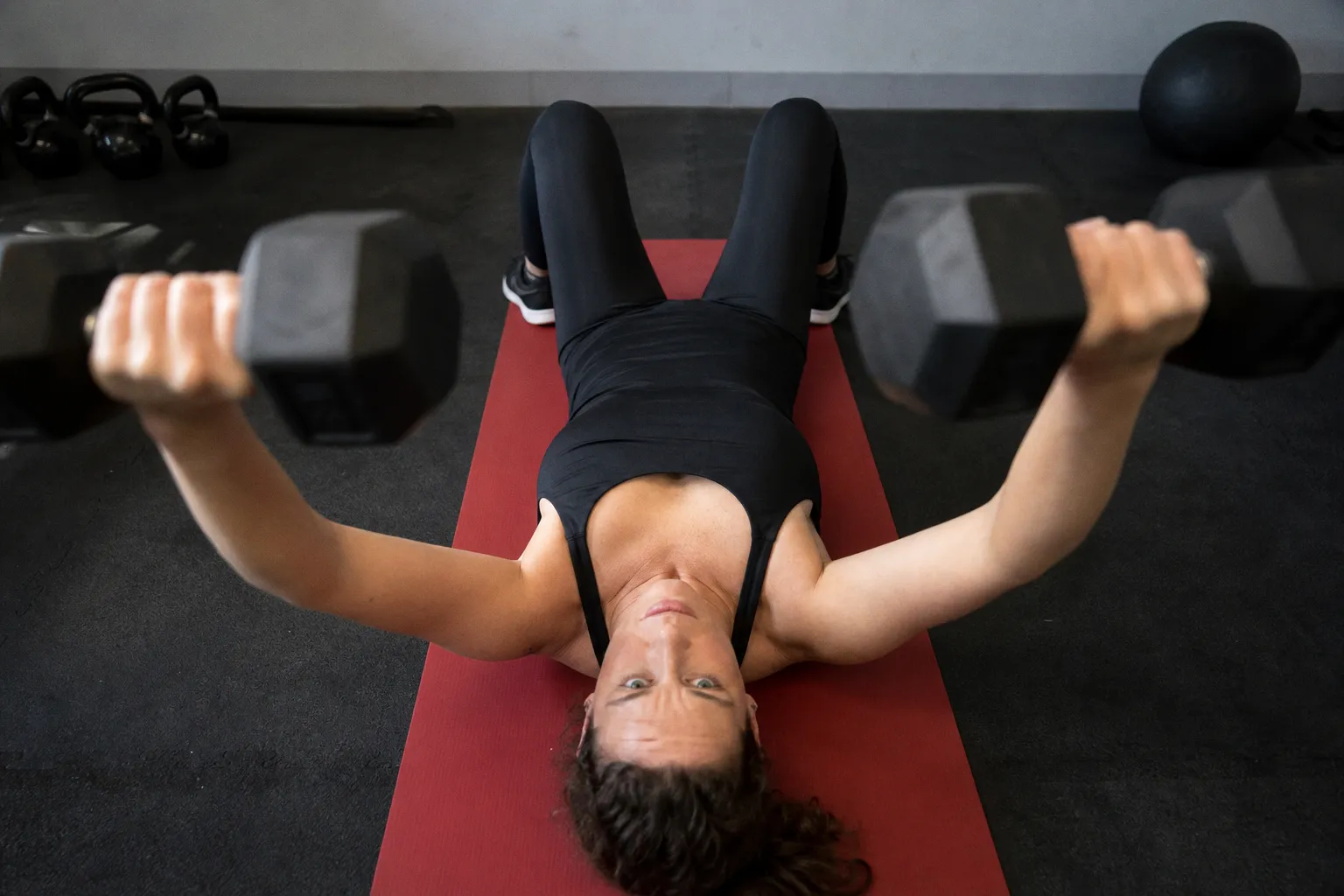
After a savage HIIT session — burpees, jump squats, mountain climbers, the kind of living-room cardio that makes the rug question its life choices — your muscles are not sitting there with a stopwatch, refusing recovery because you blended the wrong powder. What they do need is amino acids, enough total protein across the day, carbohydrate to refill glycogen, fluid, and a plan that does not collapse every time your schedule gets rude.
So when people ask how to check compare whey vs pea protein for post-HIIT recovery, the real question is not “Which powder has better marketing?” It is: which one gives your body the amino acids it needs, fits your digestion, matches your food pattern, and can be used consistently after hard intervals?
For related context, see Compare Smart Thermostat Idle Drain to Cut Heating Costs.
For related context, see Compare Public Gym Machines for Low-Impact Workouts.
That answer is more interesting than the supplement aisle wants it to be.
First, what HIIT recovery actually asks from protein
HIIT is not bodybuilding in disguise, but it is not “just cardio” either. High-intensity intervals create a messy metabolic bill: glycogen depletion, muscle fiber stress, nervous system fatigue, sweat loss, and a nice little inflammatory response that is normal, not a crisis.
Protein’s job after HIIT is mainly to support repair and remodeling. That includes muscle protein synthesis — the process where your body uses amino acids to build and repair muscle tissue. If your HIIT includes plyometrics, loaded circuits, hill sprints, kettlebell intervals, or bodyweight moves taken close to failure, that protein signal matters even more.
But protein does not work like a magic stamp on a workout receipt. It works inside a bigger pattern:
1. You train hard enough to create adaptation. Ten minutes of casual marching is movement, not the same recovery demand as six rounds of squat jumps and push-ups.
2. You eat enough total protein over the day. A post-workout shake cannot rescue a day built on coffee, crackers, and vibes.
3. You provide enough essential amino acids. Your body cannot manufacture these, so yes, the protein source matters.
4. You replace some carbohydrate if the session was glycolytic. HIIT leans heavily on stored carbohydrate, especially when intervals are truly intense.
5. You hydrate like an adult. Revolutionary, I know.
Whey and pea protein can both fit into this. They just do it with different strengths.
The best post-HIIT protein is not the one with the loudest tub. It is the one that gives you enough amino acids and does not make your stomach file a complaint.
The leucine question: why whey gets so much attention
Whey protein has earned its reputation for one very specific reason: it is rich in essential amino acids, especially leucine.
Leucine is one of the branched-chain amino acids, and it plays a starring role in triggering muscle protein synthesis. Think of it less as “muscle building fairy dust” and more as a biochemical switch. Once enough leucine is present, the body gets a clearer signal to start building and repairing muscle tissue.
Whey is also a complete protein, meaning it contains all nine essential amino acids. Most standard scoops provide around 20–25 grams of protein, and within that serving whey usually delivers a strong leucine dose. That is why it is so popular after resistance training, sprint work, and high-output mixed circuits.
Pea protein is also useful, but the amino acid profile is different. It contains plenty of branched-chain amino acids and is often noted for its arginine content. It is, however, lower in methionine compared with whey. That does not make pea protein useless. Please do not let internet gym philosophers turn “lower in one amino acid” into “trash.” It means the full-day diet matters.
If you use pea protein, you can easily cover the methionine gap with other foods across the day: eggs or fish if you eat animal foods, or rice, oats, seeds, nuts, beans, lentils, and mixed plant proteins if you are plant-based. Recovery is not graded scoop by scoop in isolation. Your body sees the whole day.
Here is the cleaner comparison:
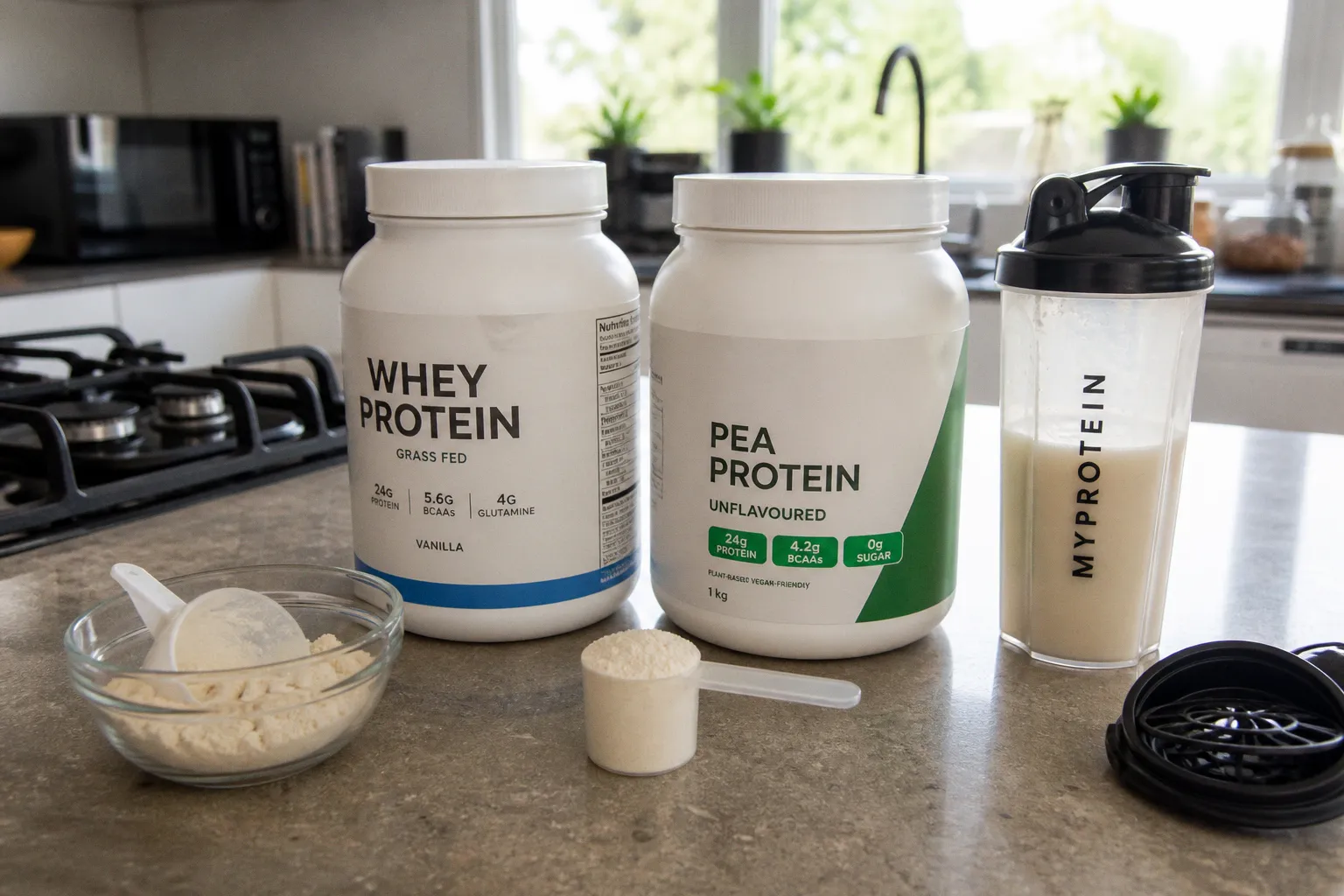
| Recovery factor | Whey protein | Pea protein |
|---|---|---|
| Protein per typical scoop | About 20–25g | About 20–25g |
| Essential amino acids | Complete protein with all nine essential amino acids | Strong profile, but lower in methionine |
| Leucine content | Generally higher | Lower than whey, but still contributes |
| Digestion speed | Fast-digesting | Moderate-digesting |
| Dietary fit | Not suitable for dairy allergy; may bother lactose-sensitive people depending on type | Vegan-friendly, dairy-free, often easier for lactose-intolerant users |
| Best use case | Quick, convenient post-workout amino acid delivery | Plant-based recovery, dairy-free routines, sensitive digestion |
That is the part supplement ads usually flatten into nonsense. Whey has a sharper leucine edge. Pea can still support muscle gains when intake is adequate. These two facts can exist in the same room without starting a comment-section war.
Absorption speed: useful, but not a religion
Whey digests quickly. That is one of its practical advantages after a hard workout, especially if you have another training session later in the day, a long gap before dinner, or you struggle to eat solid food after intense intervals.
Fast digestion means amino acids appear in the bloodstream relatively quickly. For post-HIIT recovery, that can be convenient. Your body has just used a lot of carbohydrate, stressed muscle tissue, and triggered repair pathways. A whey shake is an efficient way to deliver amino acids without requiring you to chew chicken while still sweating through your eyebrows.
Pea protein is typically moderate-digesting. Slower does not mean bad. It just means the amino acid rise is less rapid compared with whey. For most home athletes doing one HIIT session per day, that difference is not the dramatic life-or-death recovery window people pretend it is.
The “anabolic window” is real in the broad sense that nutrition around training matters. It is not a 30-minute trapdoor. If you ate a protein-containing meal within a few hours before training, you already have amino acids circulating. If your next proper meal is coming soon, the urgency drops. If you trained fasted at 6 a.m. and then plan to answer emails for four hours on black coffee, yes, please eat something. Your metabolism is not a productivity app.
A practical post-HIIT timing guide looks more like this:
1. If you trained fasted: have protein within about an hour or two, sooner if you feel shaky or ravenous.
2. If you ate protein before training: your post-workout shake can wait until your normal meal window.
3. If you are doing two sessions in a day: prioritize faster refueling — protein plus carbohydrate — because recovery time is compressed.
4. If your session was short and moderate: do not invent emergency nutrition where none exists.
5. If HIIT included strength circuits close to failure: treat it more like resistance training and be intentional with protein.
This is where whey is convenient. It is fast, complete, and easy. Pea is still a strong option if it fits your diet better. The difference is real, but context decides whether it matters.
Timing matters most when recovery time is short. If you train once a day, total protein usually beats stopwatch anxiety.
Digestion: the underrated reason people switch
Let’s talk about the thing nobody wants printed on the front of a protein tub: digestion.
Whey comes from dairy. Some whey isolate products are very low in lactose, while many concentrates contain more. If you are lactose intolerant, sensitive to dairy, or allergic to milk proteins, whey may be a bad fit. Not morally bad. Gastrointestinally annoying. There is a difference.
Post-HIIT is already a risky time for the gut. During intense exercise, blood flow shifts toward working muscles and away from digestion. Add jumping, sprinting, heat, dehydration, and a giant creamy shake, and suddenly your “recovery protocol” is you lying on the floor negotiating with your intestines.
Pea protein is dairy-free and typically considered highly digestible for many people. It is also useful for vegans, people with dairy allergies, and athletes who simply feel better avoiding milk-based protein. Some pea powders can taste earthy or feel thicker. That is not a metabolic flaw; that is texture. Blend it with a banana, cocoa, cinnamon, or cold brew if you want it to stop tasting like it has opinions.
If you are comparing whey and pea at home, digestion is not a side issue. It is central. The protein you can actually use without bloating, cramping, reflux, or dread is the better protein for your routine.
A simple home test is boring but effective:
- Use one protein at a time for a week.
- Keep the serving size consistent, around one scoop if that gives 20–25g protein.
- Take it after similar workouts, not after one gentle yoga flow and one death-by-burpees session.
- Track fullness, bloating, stool changes, reflux, appetite, and energy two to four hours later.
- Do not change seven other things at once and then blame the powder. Science has suffered enough.
That is the grown-up version of how to check compare whey vs pea protein for post-HIIT recovery home routines: same workout style, same serving size, same timing, honest notes. Not a TikTok taste test with dramatic facial expressions.
The methionine gap is not a scandal
Pea protein’s lower methionine content gets used as a scare tactic, which is predictable because nuance does not sell many tubs.
Methionine is an essential amino acid. You need it. Pea protein contains less of it than whey. That is true. But if your total diet contains a variety of protein sources, this is usually manageable.
Plant-based eaters already know the move: combine different protein sources across the day. You do not need to perform a ceremonial rice-and-beans pairing at the exact same meal. Your amino acid pool is not a dinner plate with separation anxiety.
Good methionine-supporting foods in a plant-forward diet include:
- Oats and whole grains, especially when breakfast is also carrying some protein.
- Rice or grain bowls paired with pea protein, tofu, tempeh, lentils, or beans.
- Seeds and nuts, which add minerals, fats, and useful amino acid variety.
- Soy foods, which offer a strong plant protein profile.
- Eggs, fish, or poultry, if your diet includes animal foods and you simply prefer pea powder over whey.
This is why the “pea is incomplete, therefore useless” argument collapses. Pea protein is not whey. Correct. It is also not pixie dust. Also correct. It is a useful tool that works best in a mixed diet.
For home fitness people, the real issue is usually not methionine. It is under-eating protein all day and then expecting one post-workout scoop to carry the entire adaptation process like an exhausted intern.
Protein after HIIT needs carbohydrate beside it
Here is where protein discourse gets weirdly tunnel-visioned. HIIT uses glycogen. Glycogen is stored carbohydrate in muscle and liver. If your intervals are hard — repeated sprints, squat jumps, burpees, cycling intervals, stair runs — your body is burning through carbohydrate at a meaningful rate.
Protein helps repair. Carbohydrate helps replenish glycogen. They are not enemies. They are coworkers.
If you finish HIIT and only slam protein while avoiding carbs because someone on the internet called oatmeal “spiking,” your recovery may feel worse than necessary. Especially if you train again the next morning.
Post-HIIT meals do not need to be elaborate. They need to be functional.
Try combinations like:
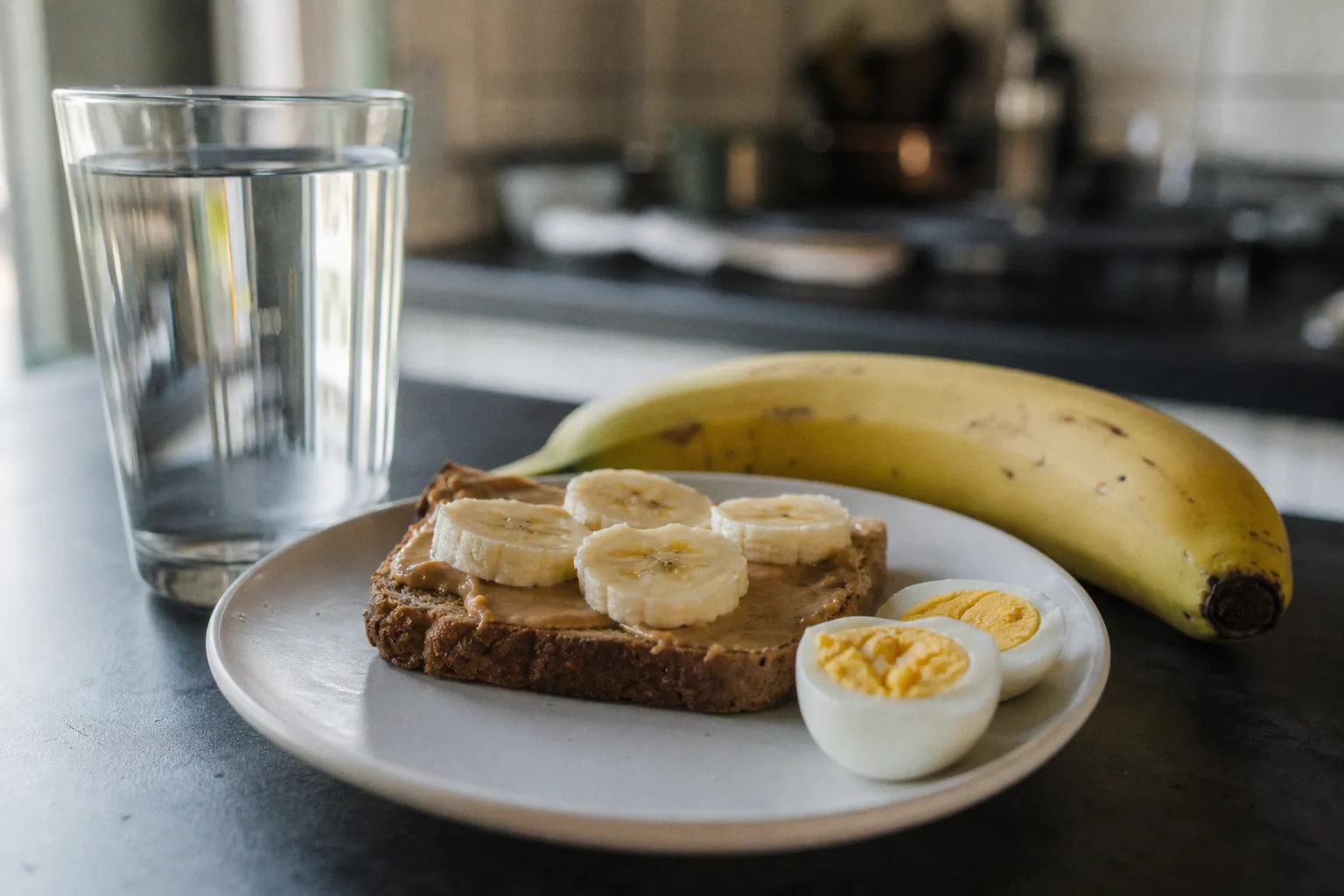
1. Whey shake plus banana and toast when you need fast, simple recovery before work.
2. Pea protein smoothie with oats, berries, and soy milk if you want plant-based protein and carbohydrate in one blender event.
3. Greek yogurt, cereal, and fruit if dairy works for you and you want actual spoon food.
4. Rice bowl with tofu, vegetables, and sauce after evening HIIT when a shake sounds depressing.
5. Eggs, potatoes, and fruit for a weekend session that deserves a plate.
Notice what is missing: panic. Also purity language. Food is not a personality test.
And yes, if you are training at home, budget and logistics matter. Protein powder, frozen fruit, electricity for cooking, and grocery planning are all part of the unglamorous machinery of consistency; I have the same respect for practical household planning as I do for training plans, which is why I appreciate resources that track broader cost pressures like energy and utility news when people are trying to keep healthy routines realistic.
Fitness advice that ignores cost and schedule is cosplay.
Matching whey or pea to your actual training volume
A person doing two 12-minute HIIT sessions per week does not need the same recovery strategy as someone doing four intense interval sessions, two strength days, and a long run. Training volume changes the nutrition conversation.
If your workouts are short and your main goal is general fitness, your post-HIIT protein choice can be simple: choose the one you tolerate, enjoy, and can afford. Whey may give a more efficient leucine hit. Pea may fit your gut and ethics better. Either can work if daily protein is adequate.
If your goal includes hypertrophy — more muscle, better definition, stronger bodyweight movements — protein quality and distribution matter more. You want multiple protein feedings across the day, each with enough essential amino acids to stimulate muscle protein synthesis. Whey makes that easy. Pea can still work, but you may be more attentive to serving size and dietary variety.
If you are in a calorie deficit, protein becomes even more useful. Not because it “melts fat,” please retire that phrase, but because adequate protein helps preserve lean mass while total calories are lower. It also tends to be more filling. Whey and pea can both help here, though some people find pea thicker and more satiating.
If you are vegan or dairy-free, pea protein is the obvious candidate. You do not need to apologize to whey’s fan club. Pair it with a varied plant-based diet, and you can support recovery very well.
If you have dairy allergy, whey is not a negotiation. Skip it.
If you have lactose intolerance, whey isolate may be tolerable for some, but pea avoids the issue entirely. Your gut gets a vote.
What to look at on the label, without becoming insufferable
Protein labels are where otherwise normal people start acting like they are decoding military intelligence. Keep it sharp.
You want enough protein per serving, a reasonable ingredient list, and a product that does not turn your stomach into a weather event. For most post-workout uses, a scoop giving around 20–25 grams of protein is the normal range for both whey and pea products.
Look at these points:
- Protein per serving: Around 20–25g is typical and useful after HIIT.
- Serving size: Some brands make the scoop huge to make the protein number look impressive.
- Protein type: Whey concentrate, whey isolate, pea protein isolate — these differ in lactose content, texture, and digestion.
- Added sugar and calories: Not automatically bad, but they should match your goal. A mass-gainer disguised as recovery powder is not subtle.
- Third-party testing: Especially useful if you compete in tested sport or use supplements often.
- Texture and mixability: Boring until you hate drinking it. Then it becomes decisive.
- Allergens: Dairy, soy blends, gluten-containing flavor systems — read the label if you react to foods.
Do not obsess over BCAA powders if your protein intake is already solid. Whey naturally contains BCAAs. Pea contains them too. Buying extra isolated BCAAs while under-eating total protein is like buying fancy tires for a car with no engine.
Whey vs pea after HIIT: the decision without the drama
Let’s make the choice practical.
Choose whey protein if you tolerate dairy, want a fast-digesting complete protein, and like the high leucine content for muscle protein synthesis. It is especially convenient after hard strength-HIIT hybrids, sprint intervals, or sessions where your next meal is delayed.
Choose pea protein if you are vegan, dairy-free, lactose intolerant, allergic to milk proteins, or simply digest it better. It is a strong recovery option when total daily protein is adequate, and research has shown pea protein can support muscle thickness gains when used consistently after resistance training.
Neither powder replaces real meals. Sorry to the shaker-bottle industrial complex. Whole foods bring carbohydrate, fat, fiber, micronutrients, and satisfaction. Powders are tools. Useful tools, not a dietary identity.
Here is the stripped-down answer:
| Your situation | Better first pick | Why |
|---|---|---|
| You want the fastest amino acid delivery after hard intervals | Whey | Fast digestion and high leucine content |
| You are vegan or dairy-free | Pea | Plant-based and dairy-free |
| You are lactose intolerant | Pea, or possibly whey isolate if tolerated | Pea avoids lactose; isolate may be low-lactose |
| You want muscle gain with home HIIT plus strength work | Either, with enough total protein | Whey is leucine-rich; pea works when intake is adequate |
| Your stomach hates dairy after workouts | Pea | Recovery should not require digestive punishment |
| You eat a varied omnivorous diet | Either | Daily protein quality is likely easier to cover |
| You eat fully plant-based | Pea, plus varied plant proteins | Balance amino acids across the day |
The post-HIIT plate I actually want people to build
If I had to drag this debate out of supplement mythology and into a kitchen, the post-HIIT target would look like this:
- 20–25g protein from whey, pea, yogurt, eggs, tofu, chicken, fish, lentils, or a mixed meal.
- Carbohydrate if the session was intense, long, or you train again within 24 hours.
- Fluid and sodium if you sweat heavily.
- A meal you can repeat without requiring a private chef, a wellness budget, or a second personality.
That might be whey with fruit and oats. It might be pea protein blended with soy milk and a banana. It might be leftovers. It might be a tuna sandwich. The body is wonderfully uninterested in whether your recovery meal looks good under kitchen lighting.
The whey-versus-pea answer is not a purity contest. Whey has the edge on leucine and speed. Pea has the edge on dairy-free digestibility and plant-based fit. Both can support post-HIIT recovery when you hit enough total protein and feed the rest of the recovery system — glycogen, hydration, sleep, and actual food.
Use the powder that fits your body and your life. Then train hard, eat enough, and stop letting supplement labels turn basic physiology into a hostage situation.