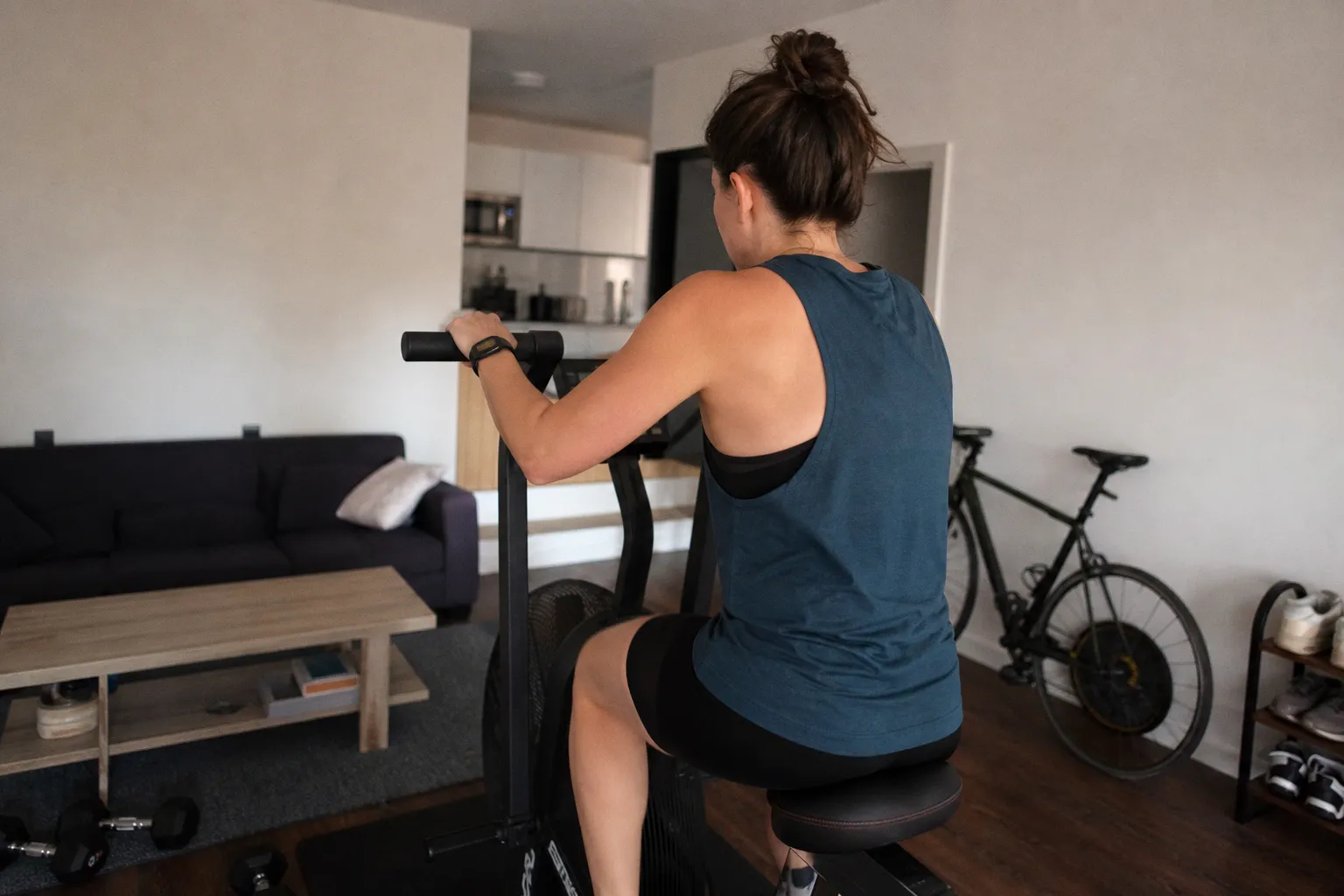
The Two Workouts That May Help Protect Your Heart After Menopause
Two protocols. One hard truth about what your heart actually needs after menopause.
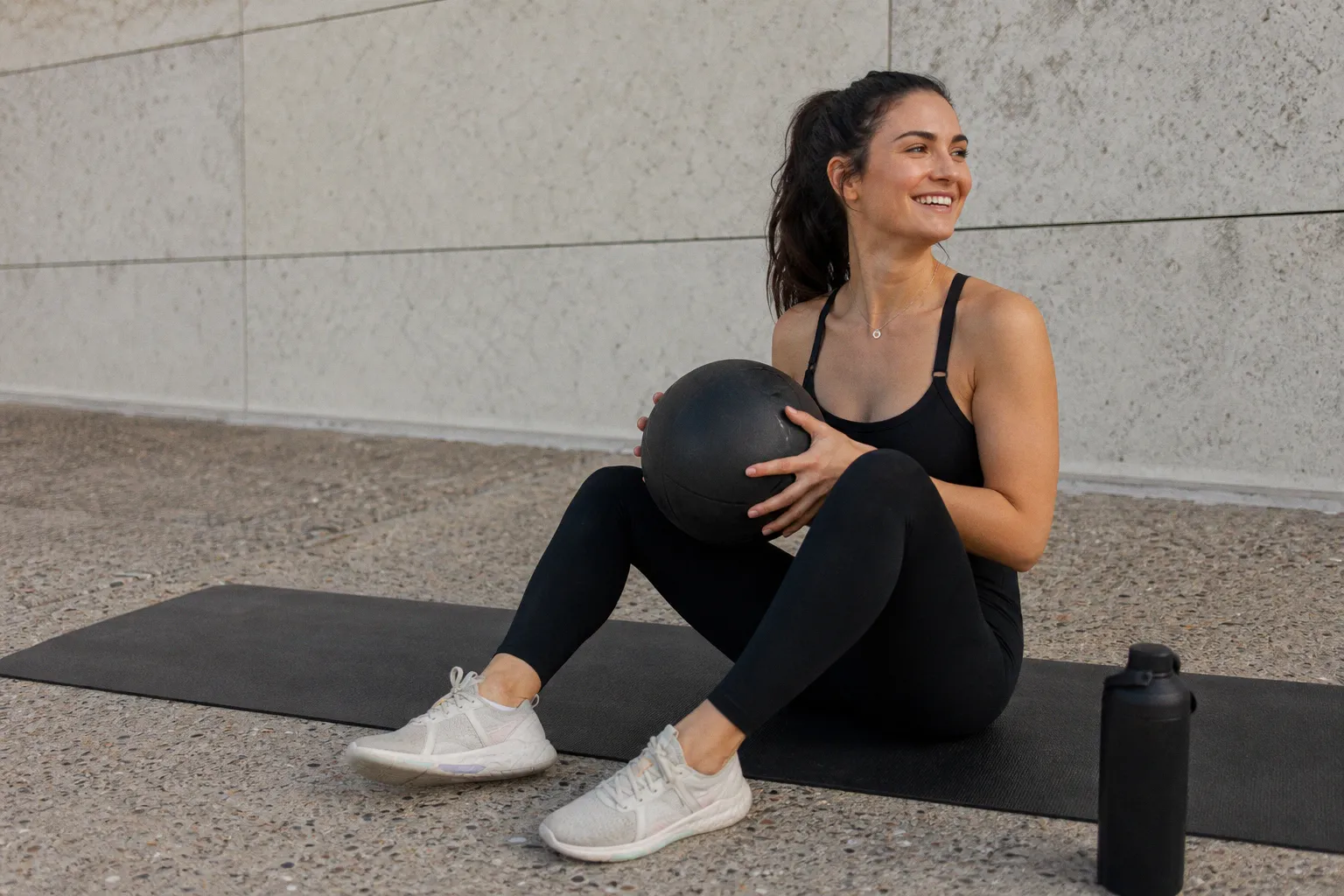
A new trial put high-intensity interval Nordic walking head-to-head against dumbbell strength training in postmenopausal women carrying extra abdominal fat. Three sessions a week for 12 weeks. Both groups won — but they won differently, and the distinction matters for how you set up your training block.
What the study actually tested
Researchers split participants into three arms: HIIT Nordic walking, strength training, and a control. The walking protocol wasn't a casual pole hike — it was structured intervals alternating fast and slow phases, with the hard efforts pushing 75 to 85 percent of maximum heart rate across 60-minute sessions. The strength sessions ran 45 to 60 minutes, covering major muscle groups with dumbbells in three sets of 8 to 12 reps.
After 12 weeks, both exercise groups moved the needle on three metabolic markers: waist circumference, HDL cholesterol, and fasting blood sugar. Nordic walking reached further across cardiovascular markers overall. Strength training delivered bigger drops in BMI and body fat. Neither crushed the other across the board.
Why big-muscle work matters more for your heart
The American Heart Association flags resistance training twice a week as a recommendation for cardiovascular risk reduction. The mechanism is simple: the larger the muscle mass you recruit, the harder your cardiovascular system has to work. Dr. Joseph Herrera, chair of rehabilitation and human performance at Mount Sinai Health System, frames it as a load question — load chest, back, shoulders, legs, and core, and you're stressing the system the way it needs to be stressed.
That means compound movements. Squats. Push-ups or dumbbell presses. Rows. Deadlift patterns. Any exercise that pulls multiple joints and major muscle groups into one rep beats isolation curls for heart-protective output. Smaller muscles like biceps and triceps don't demand enough systemic output to move the cardiovascular needle on their own.
Recent reporting also points to stronger chest and back muscles correlating with significantly lower heart attack risk — another vote for prioritizing those pushing and pulling patterns over arm work.
The prescription, if you're past menopause
Lock in two strength sessions per week minimum, hitting 8 to 10 different exercises across major muscle groups. Sessions can run 15 to 20 minutes if you're efficient. Go lighter on load and higher on reps — that range drives the heart rate response that compounds the cardiovascular benefit beyond just building muscle.
Pair this with zone work — whether that's the interval Nordic walking protocol from the study or any HIIT format alternating hard efforts with recovery. Both modalities proved they move metabolic markers. The one you'll execute consistently for 12 weeks straight wins.
Brace your core on every standing rep. Squeeze your scapulae on every row. Control the descent on every press. The heart-protective effect comes from the work, not the intention.