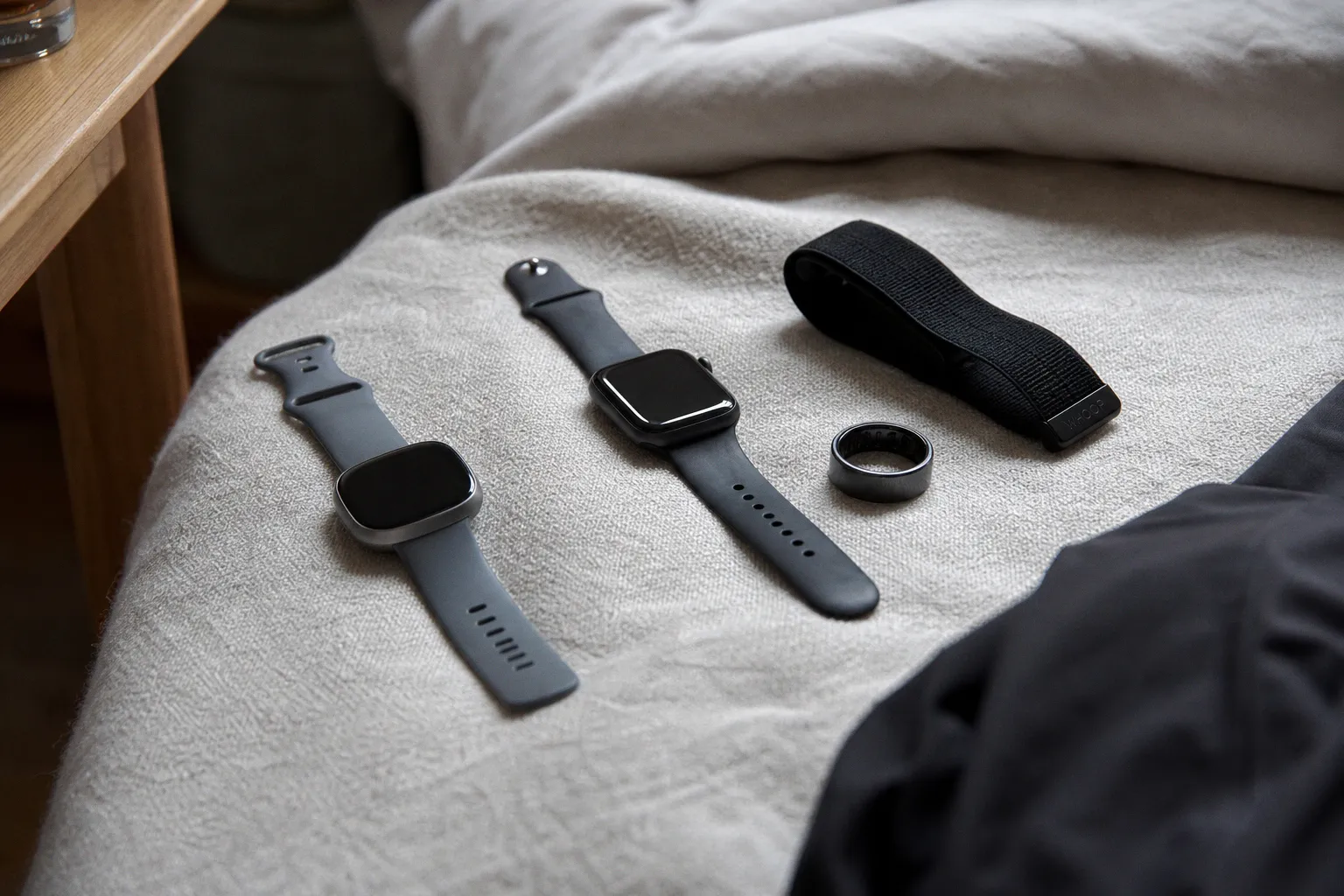
The Ultimate Wearable Showdown: Fitbit vs. Apple vs. Oura vs. Whoop
A screen-free fitness wearable from Google, tentatively called the Fitbit Air, is reportedly hitting test benches at a retail price around £85.
No Screen, No Buzz — And That's the Entire Pitch
The Fitbit Air strips out the display and notification pipeline entirely. No messages, no app pings, no always-on heart rate zone readout mid-interval. The device reportedly syncs background health metrics — heart rate, sleep staging, activity volume — to the Fitbit app on your phone. That's it.
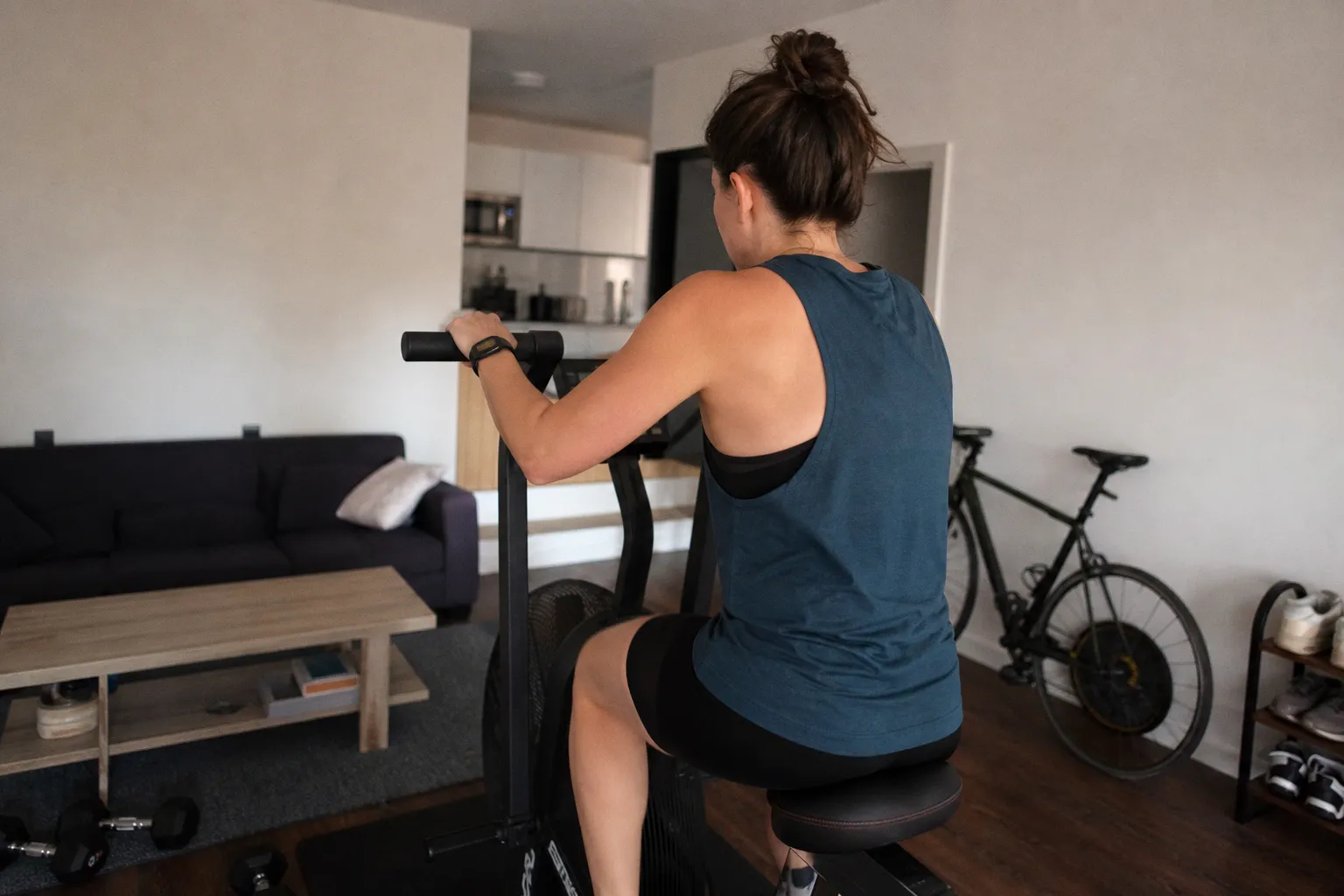
For HIIT practitioners who program structured work-rest ratios and don't need a wrist-mounted timer, the appeal is obvious: lighter form factor, negligible distraction, and dramatically longer battery life compared to a screen-equipped smartwatch. Reports suggest days or even weeks between charges. If you've ever had an Apple Watch die on you during a long training block, that number alone commands attention.
Google is also said to be layering AI-driven summaries on top of raw data in the Fitbit app — fewer numbers, more contextual insight. Whether that's actually useful or just another black-box score remains to be tested.
The Cost-Benefit Math vs. Whoop
Whoop 4.0 requires a subscription — roughly $30/month at its highest tier, though lower annual plans exist. Over 12 months you're looking at $200–$360 on top of zero upfront hardware cost. The Fitbit Air at £85 (~$108 at current exchange) is a one-time purchase. No recurring fee was mentioned by any source.
For the home-fitness athlete tracking recovery between bodyweight HIIT sessions and yoga flows, the question is binary: do you need continuous HRV monitoring and strain scores enough to justify a recurring subscription? Or does daily heart rate trending plus sleep breakdown — which Fitbit already does well — cover the recovery picture at a fraction of lifetime cost?
One tester at AOL spent two weeks wearing the Air alongside Whoop and reported enough data overlap to raise the value question explicitly. The Tech Buzz ran a heart-rate accuracy comparison, though no final numbers have been published yet. Until someone drops a chest-strap–validated accuracy table, treat all heart rate claims with a ±5–10 bpm margin of skepticism. Optical wrist sensors across every brand remain inconsistent at high-intensity output — burpees, mountain climbers, kettlebell swings.
What Actually Matters Before You Buy
Three things to track as reviews land in the coming weeks:
Heart rate accuracy at anaerobic threshold. Wrist-based sensors historically lag behind chest straps during rapid HR fluctuations. If you're using HR zones to structure intervals, a sensor that reads 15 bpm low during sprint sets isn't tracking — it's guessing.
Sleep stage validation. Fitbit's sleep algorithm has improved, but Oura still leads on research-backed staging. If recovery metrics drive your training load decisions, the quality of sleep data matters more than step counts.
No screen = no real-time feedback. For timed HIIT rounds (e.g., 40s on / 20s off), you'll need a separate clock. The Air won't replace a visible interval timer. Factor that into your setup.
At £85 with no subscription, the Fitbit Air positions itself as a budget recovery and readiness tracker — not a performance tool. For athletes who already own a chest strap and a wall clock, that may be exactly enough. Wait for full accuracy benchmarks, then run the numbers.