Choosing the Right Fitness Tracker for Your Home Workout Routine
PCMag UK’s latest roundup of 2026 fitness trackers confirms the category’s core problem: choice overload.
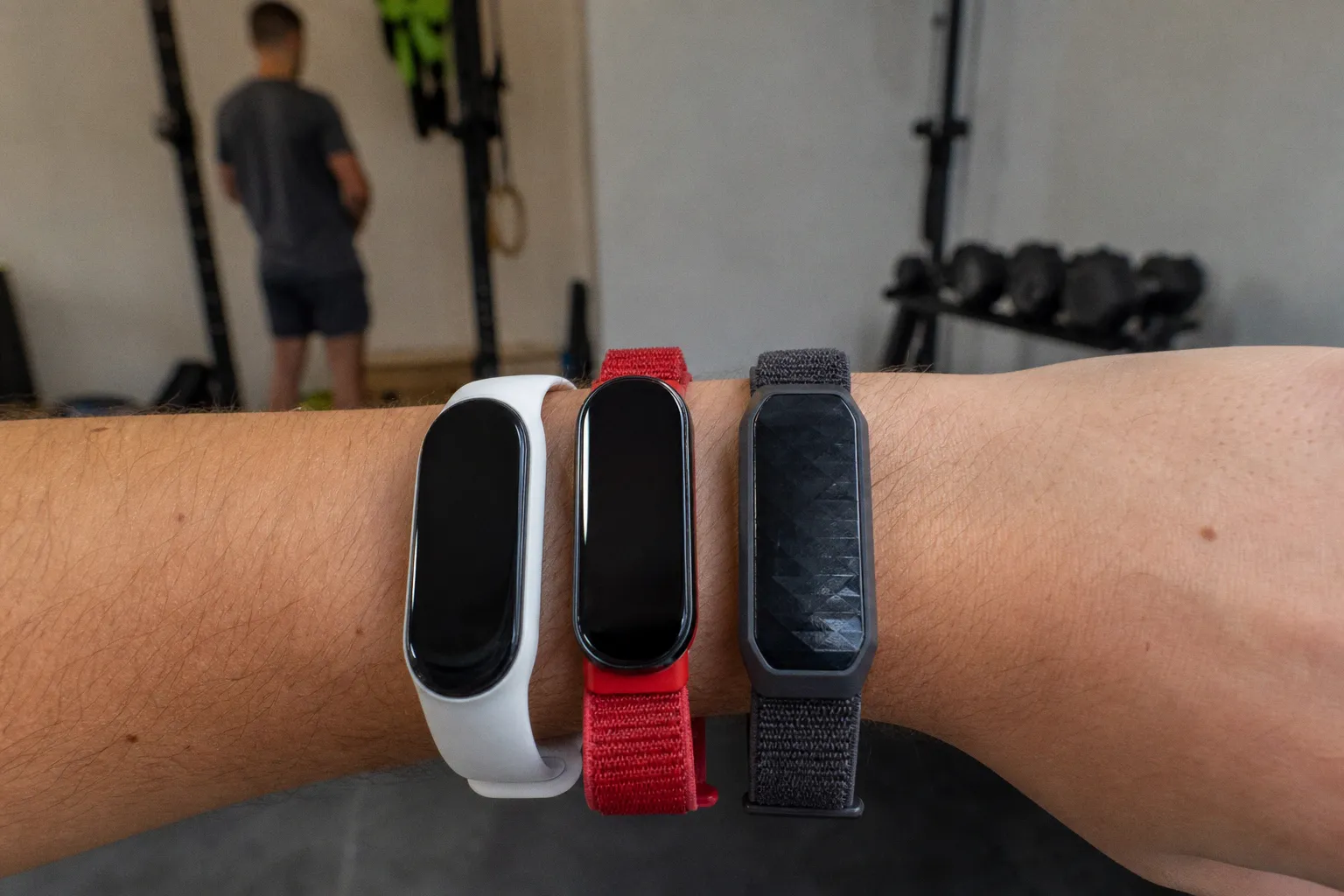
For the home exerciser tracking intervals, recovery, and baseline metrics without a gym’s ecosystem, two devices dominate the data-backed recommendations: the screen-free Fitbit Air and the full-featured Fitbit Charge 6. Your pick depends entirely on whether you want distraction-free data or a standalone coaching tool.
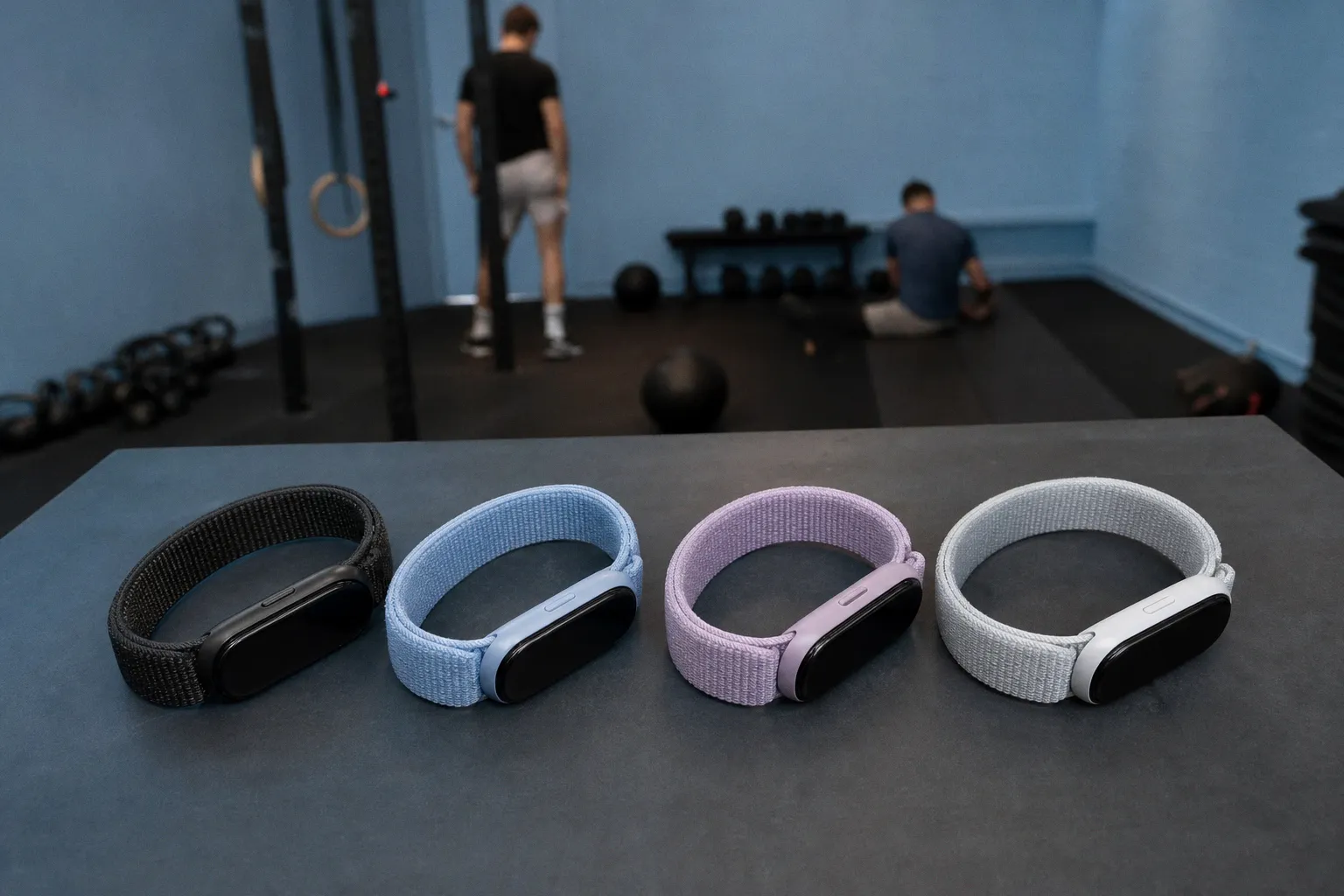
Fitbit Air: The Screen-Free Metric Collector
The Fitbit Air’s primary selling point is its lack of a display. In testing, it delivered high accuracy for continuous heart rate and sleep monitoring while remaining unobtrusive during workouts and overnight. Battery life holds for approximately one week, removing daily charging. It syncs with the Google Health app, which provides free data visualization. The optional premium membership unlocks an AI coach for generating fitness plans, positioned as a tool for beginners needing structure. For the user who wants biometric feedback without another screen to check, the Air provides the numbers. Its lower cost makes it a low-risk entry point.
Fitbit Charge 6: The Standalone Workhorse
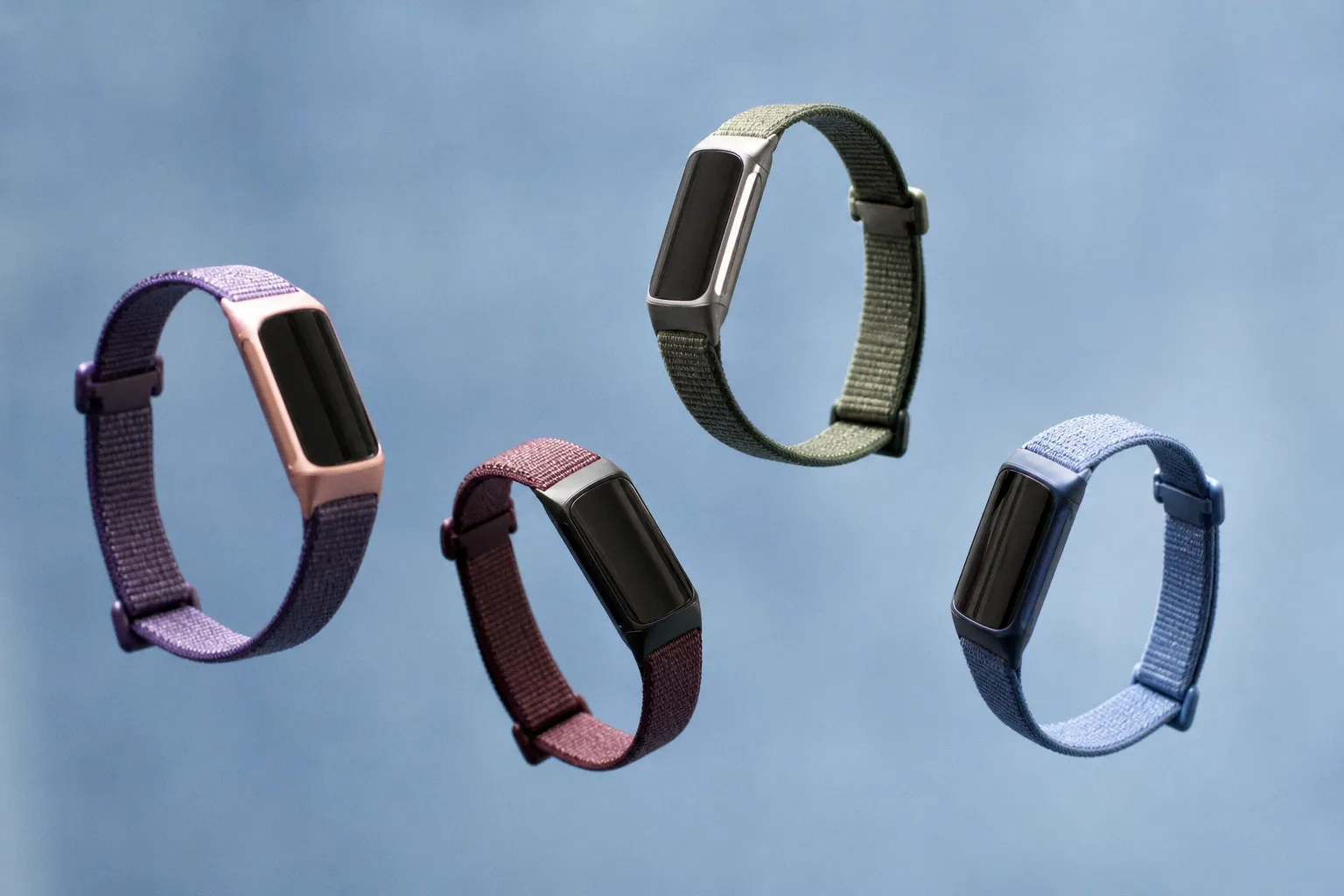
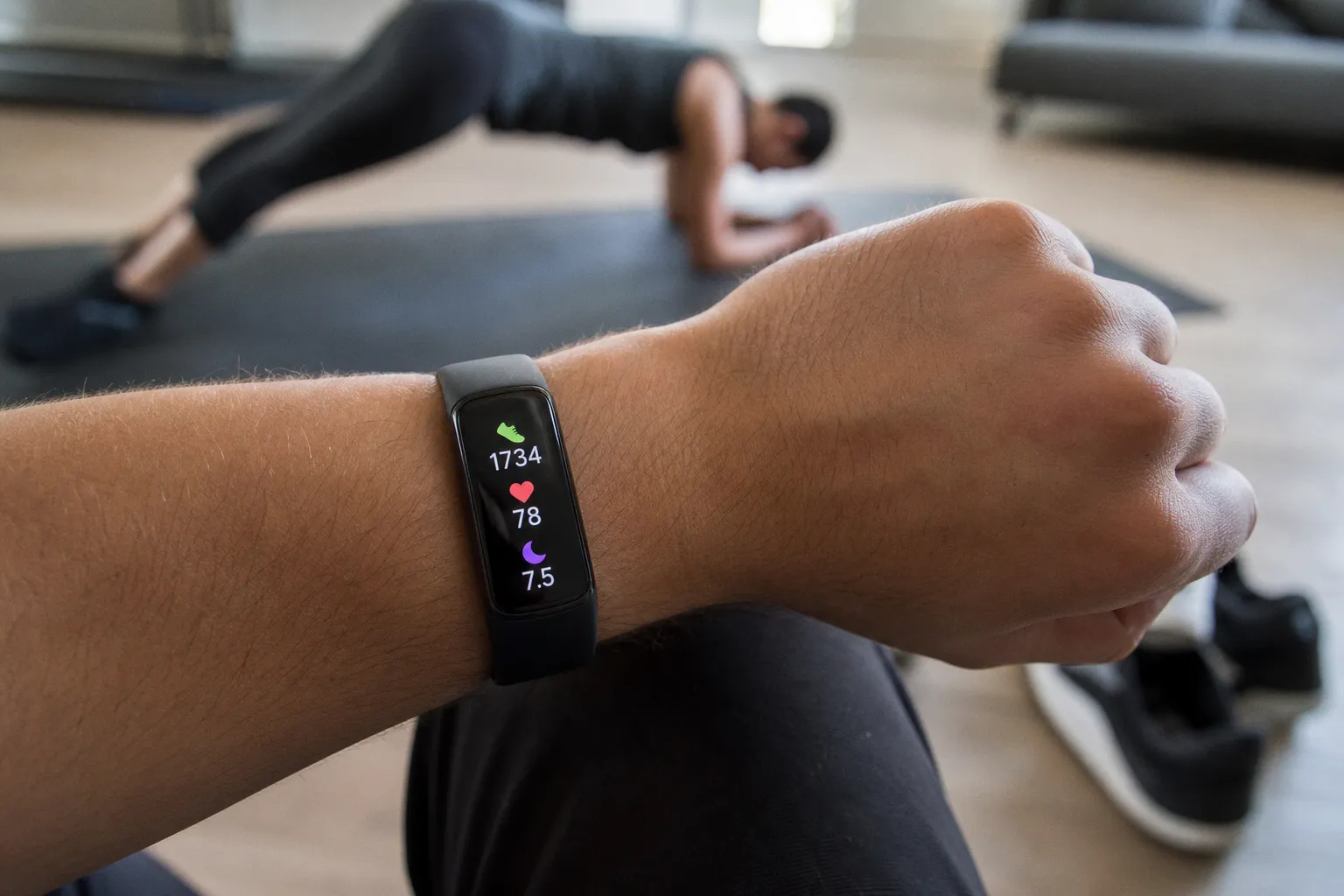
The Charge 6 is the metric-heavy choice. It packs integrated GPS, a color touchscreen, and 5ATM water resistance into its package. The expanded 40 sport profiles (up from 20) cater to varied home routines. Key features for the data-driven trainer include on-demand ECG readings, EDA stress monitoring, skin temperature tracking, and SpO2 sensors. The ability to broadcast heart rate via Bluetooth to compatible gym equipment is a direct functional benefit. Its companion app offers deep data customization. With multi-day battery life and core Google lifestyle apps onboard, it’s the self-contained unit for someone who wants a dashboard on their wrist and doesn’t mind a larger footprint.
What the Tracker Market Isn’t Saying
The reviewed sources highlight a segment consolidating around two poles: minimalism and feature saturation. Reports mention brands like Amazfit competing under $100, but detailed 2026 performance data isn’t available here. One notable, if unverified, industry snippet suggests fitness tracker data is being explored for early pregnancy detection—a potential health monitoring frontier that underscores the increasing sophistication of biometric sensors. For now, the verified advice remains binary: if you need a silent, accurate sensor pod, the Fitbit Air is the pick. If you need a comprehensive on-wrist computer that monitors, coaches, and connects, the Charge 6 is the tool. The middle ground is getting squeezed.