The Best Fitness Trackers We've Tested for 2026
PCMag has refreshed its tested fitness tracker picks for 2026, and the signal is blunt: the category is splitting between low-distraction bands and fuller training dashboards.
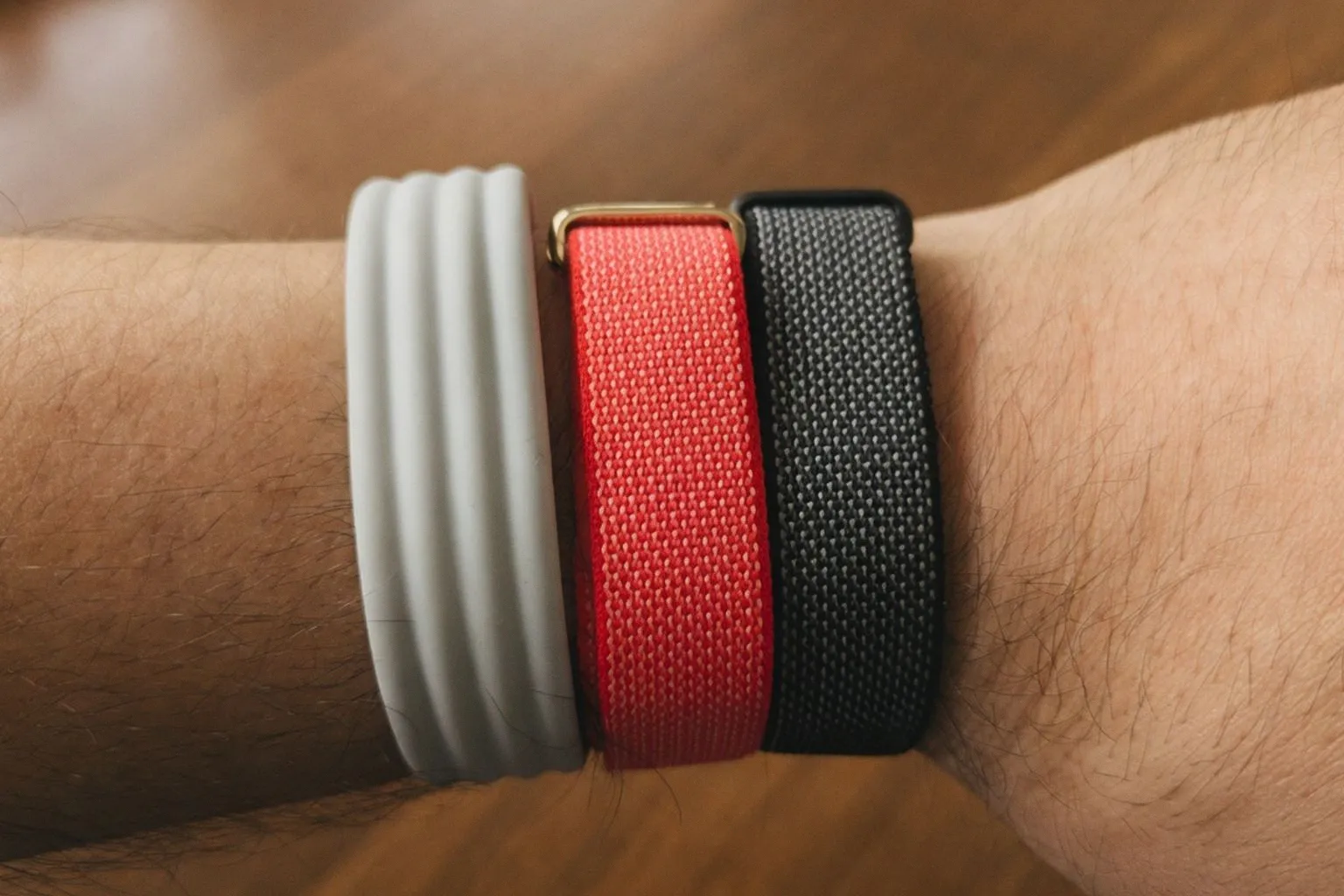
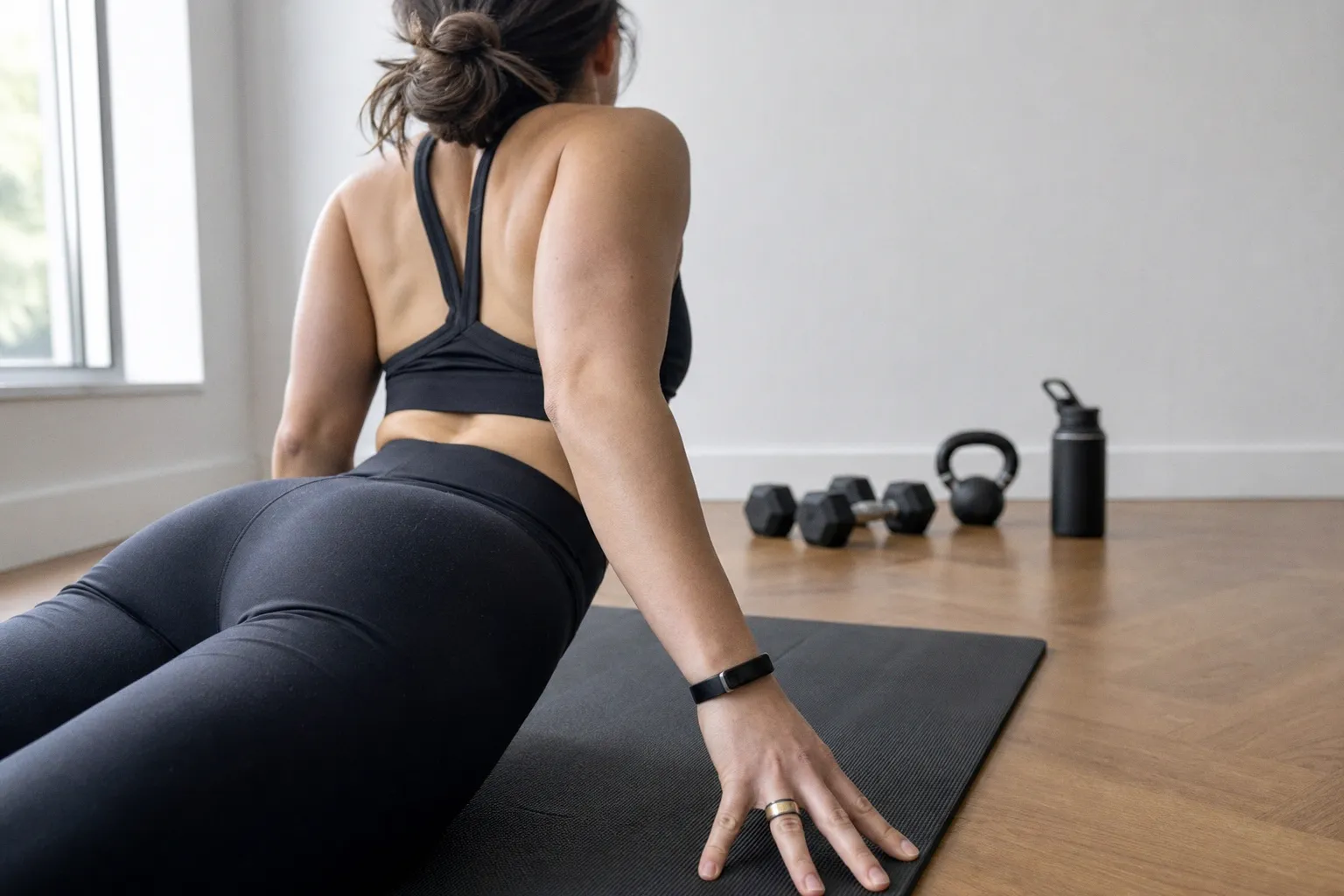
PCMag UK names the screen-free Fitbit Air as its best tested option without a display, while the Fitbit Charge 6 remains a top pick for integrated GPS and a color screen. For home HIIT users, that matters. A tracker is only useful if it captures heart rate, sleep, sessions, and recovery cues without becoming another device you babysit.
The screen-free tracker is no longer the weak option
The Fitbit Air is being positioned as the best screen-free tracker PCMag UK has tested. That is the key development here.
No screen means no live dashboard on the wrist. Less checking. Less tapping. Less fake productivity between intervals. For bodyweight circuits, mobility work, and sleep tracking, that can be a feature rather than a compromise.
For related context, see Heritage travel to historic old towns: old town guides, walking itineraries, history.
For related context, see Prime Day 2026: Smart Home Brands Deliver Major Savings on Home Comfort, Automation,.
PCMag UK says the Air was highly accurate for heart rate and sleep in testing. It also says the device can last about a week between charges while monitoring health in the background. It works through the Google Health app on Android and iOS, with most data shown for free. A premium membership adds workout classes and an AI-based coach.
That is a clear use case: beginners, lower screen time, passive tracking, basic habit building. Not a wrist computer.
MSN also reports that screenless fitness trackers are gaining traction with advanced designs. That fits the pattern. The market is not only chasing larger displays. Some users want the sensor package without the attention tax.
For home training, this is relevant. If your weekly plan is push-ups, squats, tempo lunges, zone-style cardio, and sleep consistency, a screen is not automatically a performance upgrade.
Charge 6 still has the better training toolkit
The Fitbit Charge 6 is the more complete option in the PCMag UK write-up. It keeps the classic tracker shape but adds more live utility.
Confirmed specs and features include:
| Feature | Why it matters for home training |
|---|---|
| 40 sports profiles | More structured logging than the previous generation’s 20 |
| Built-in GPS | Useful for outdoor runs and walks without leaning fully on the phone |
| Color touch screen | Easier mid-session feedback than a screen-free band |
| 5ATM water resistance | Better tolerance for sweat and water exposure |
| Multi-day battery life | Less charging friction |
| Bluetooth heart-rate sharing | Can send heart rate to gym equipment |
| Skin temperature and SpO2 overnight metrics | Adds recovery-adjacent data points |
| On-demand ECG and EDA stress readings | More health-monitoring tools, not just step counts |
| Google Maps, Google Wallet, YouTube Music | Lifestyle extras layered onto the fitness tracker |
The sports-profile jump is the cleanest metric: 40, up from 20. That matters if you rotate HIIT, walking, running, strength sessions, and mobility rather than doing one repeated workout.
The built-in GPS matters less for a living-room burpee session. It matters more if your cardio base includes outdoor intervals or walks. The color display matters if you want to check effort during work blocks. The downside is obvious: more screen, more interaction, more temptation to confuse tracking with training.
PCMag UK says the companion app clearly displays data and can be customized around the user’s goal. That is more important than it sounds. Bad data presentation kills compliance. If the app buries the useful metrics, the tracker becomes jewelry with a charging cable.
How to read this as a home-fitness buyer
Do not buy on feature count alone. That is how people end up paying for metrics they never use.
If the goal is basic consistency, sleep awareness, and low-friction tracking, the Fitbit Air profile makes sense. Screen-free. About a week of battery. Heart-rate and sleep tracking highlighted in testing. Works on both major phone platforms.
If the goal is more active session management, the Charge 6 has the stronger case. Built-in GPS, 40 sports profiles, color screen, and more health tools. It is better suited to users who actually review their training data and adjust sessions.
TODAY.com also has a current fitness tracker roundup based on months of real-world testing, but the available snippet does not provide model-level details. So there is no useful ranking to extract from it here.
The practical verdict is binary.
Choose the screen-free route if the tracker’s job is to disappear and collect baseline data. Choose the Charge 6-style route if you need visible session feedback and broader tracking tools. Pass on paying for more display and more apps if your actual training plan is still three rushed workouts and no recovery discipline. Data does not raise your anaerobic threshold by itself. Training does.