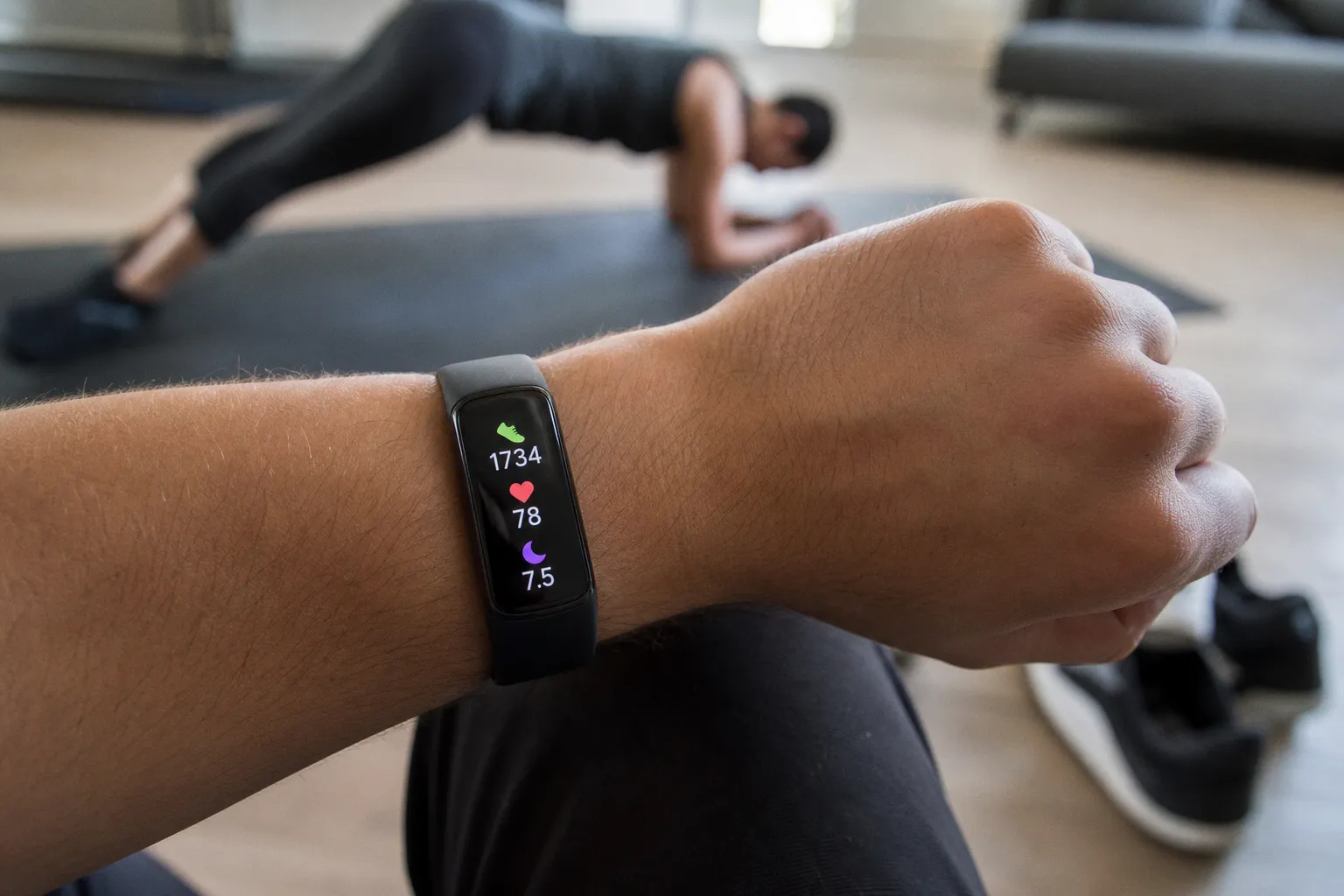
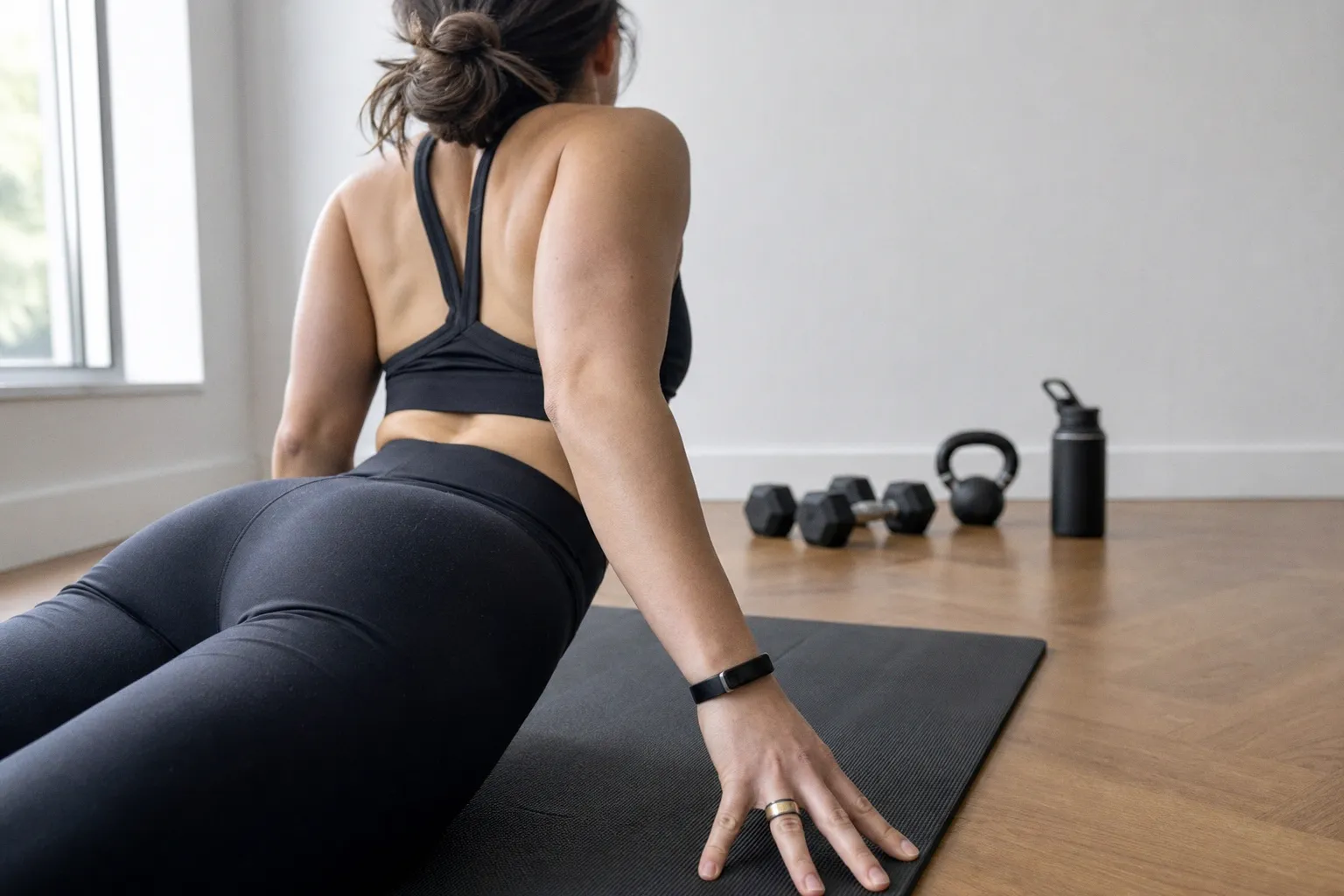
Best discreet, non-watch fitness trackers without a screen
Four outlets clustered coverage of the discreet, screenless fitness tracker category in late June 2026. Wareable ran a roundup of the best non-watch, no-screen options. TechRadar chased Prime Day discounts under $100 on favorite fitness trackers.
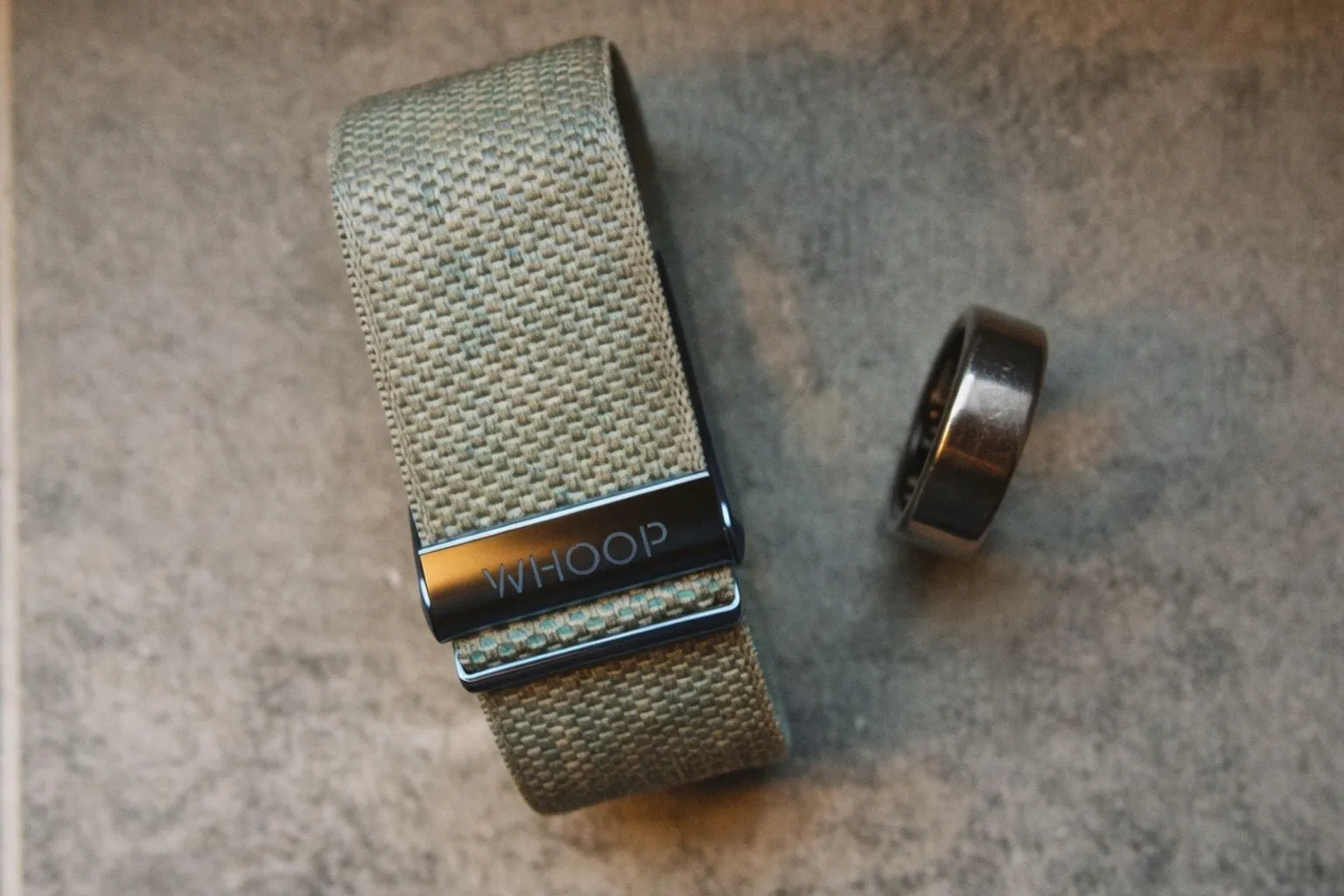
Screenless Trackers Are Having a Moment — Here's the Math
Trend Hunter labeled the segment "style-first." AOL pushed the framing of turning your tracker into a heart-health ally.
That cluster is the signal. The category is small. The pitch is friction reduction. Whether that pitch survives contact with interval work is a different question.
The Sub-$100 Reality
TechRadar's coverage pegs the price floor at $100 during Prime Day. For budget buyers, that is the real anchor. Screenless form factors — ring, pendant, clip — typically land in that band once discounted.
What you reportedly get at that tier: optical heart rate, step count, sleep staging, resting HR trends. Baseline sensors. No on-device VO2 max. No real-time HRV display. No continuous glucose. No skin temperature trending in most cases.
What that means for HIIT programming: you cannot pace intervals from the device. You wait for app sync. Sync delay of 30 minutes to 12 hours is standard. If your training block depends on knowing you hit Zone 4 at minute seven of a 20-minute AMRAP, this hardware does not deliver that signal in real time.
Reportedly, Trend Hunter's "style-first" framing puts the jewelry-grade aesthetic ahead of the sensor stack. That tradeoff is real. Aesthetic discretion often pairs with fewer optical channels and weaker PPG accuracy during high-motion intervals — exactly when HIIT trainees need clean data.
The Verdict for Home Trainees
Buy if your goal is passive recovery data: sleep score, resting HR trends, daily step load. The screenless form factor disappears during burpees, pull-ups, planks, and yoga flows. No wrist interference. No notification temptation mid-set. That friction removal is the actual ROI for compliance-driven users.
Pass if you are programming interval work. A chest strap delivers cleaner HR signal during HIIT than any wrist or ring optical sensor at this price point. Screenless trackers are a complement, not a primary training tool. Treat them as the recovery-side data layer.
AOL's "heart-health ally" framing is fair on one condition: trends require weeks of consistent wear. The hardware is only as useful as the habit behind it. A $70 ring worn for six days then abandoned produces zero longitudinal insight.
Bottom line: Under $100 with Prime Day pricing, the entry cost is reasonable for passive data. Do not expect it to pace your intervals. Do not expect it to replace a chest strap for zone-based work. Buy it for what it does — disappear and log — not for what the marketing implies.