Do You Really Need a Fitness Tracker for Your Home Workouts?
A round of tracker reviews just dropped, and the timing is worth noting. According to Expert Reviews, Google's Fitbit Air is pitched as "distraction-free" yet reportedly "gets chatty" — a contradiction that should matter to anyone paying $200+ for a wearable.
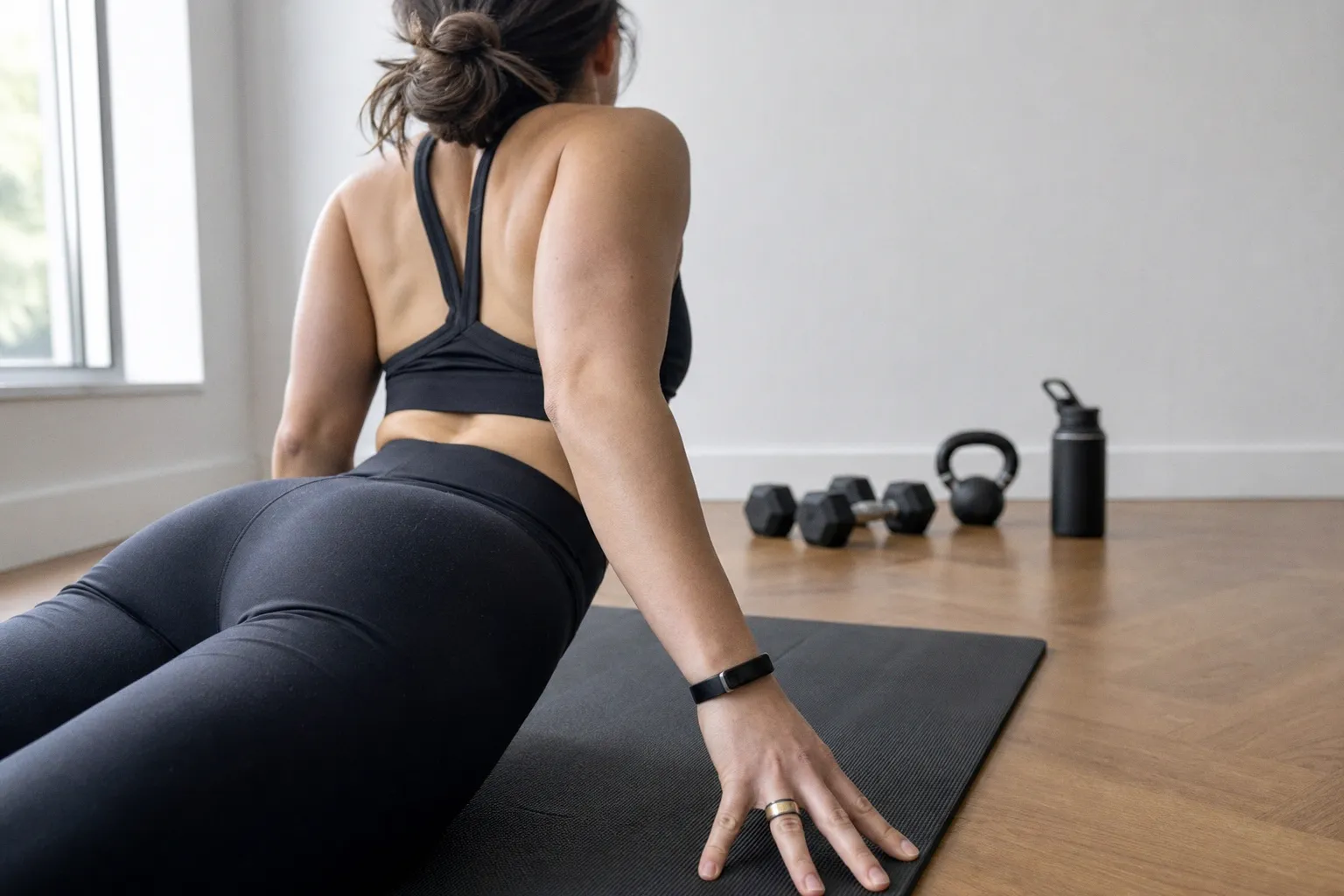
Meanwhile, City AM has a head-to-head piece running between the Fitbit Air and Oura's Ring 5, and The Star is asking whether these devices might actually make users less healthy. For home-based HIIT and conditioning work, the ROI question is simple: does the data change the training output, or just record it?
The tracking paradox
The Star's framing cuts through the marketing. Wearables sell on the promise of behavioral change — more steps, better sleep, higher daily exertion. Reported analyses question whether the data stream itself creates anxiety, compulsive checking, or distorted effort perception during actual sessions. One angle to flag for home athletes: if the tracker becomes the metric you optimize for, the workout stops being the goal. Metric-heavy gear only pays back if it feeds a decision you'd otherwise make blind. That's the test.
Fitbit Air vs Oura Ring 5
City AM's comparison frames two different philosophies. The Oura Ring 5 leans into passive recovery data — sleep staging, HRV, readiness scores — and stays out of the way during movement. The Fitbit Air reportedly pushes real-time workout feedback, which is where the "chatty" label comes in. Expert Reviews' write-up suggests Google's pitch was stripped-down simplicity, with notifications layered back on top. For HIIT, the relevant question is sampling rate and live heart rate accuracy during intervals — neither is confirmed in the available reporting, so treat both claims as unverified until hands-on testing surfaces real numbers.
Buy, pass, or skip
Pass on buying for novelty. The Star piece, per its headline thesis, implies tracking without intent is net-neutral at best. Buy only if you have a defined metric driving a training decision — zone-2 cardio ceiling, HRV-tracked recovery deload, or step targets tied to a caloric baseline. Skip the rest. The home athlete doesn't need a wrist computer. They need consistent work, logged or not.