Want to leverage wearable tech like a World Cup athlete? Here are the metrics to track
World Cup players are wearing the same class of tech now sitting on wrists, fingers, chests, and skin patches in normal training groups.

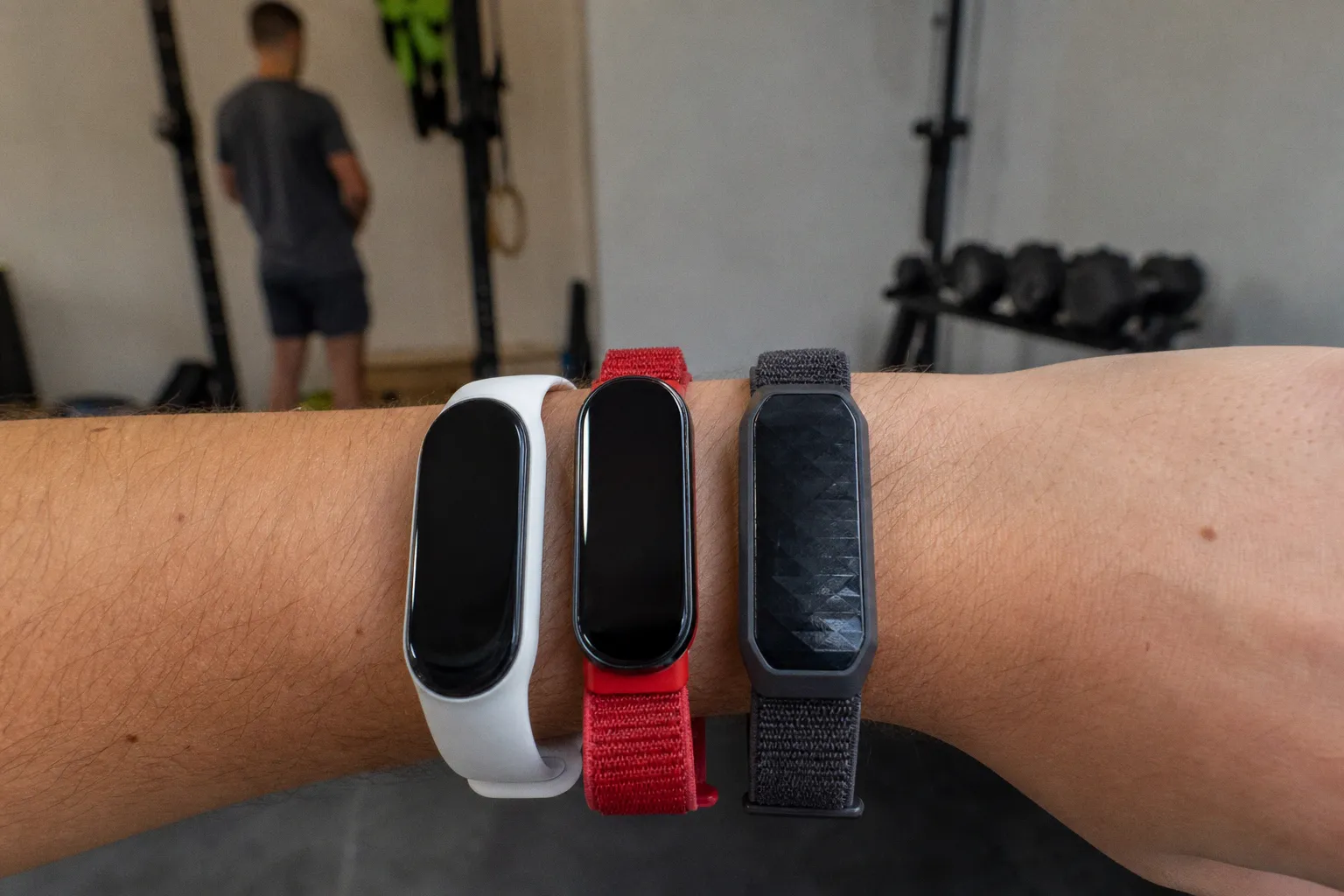
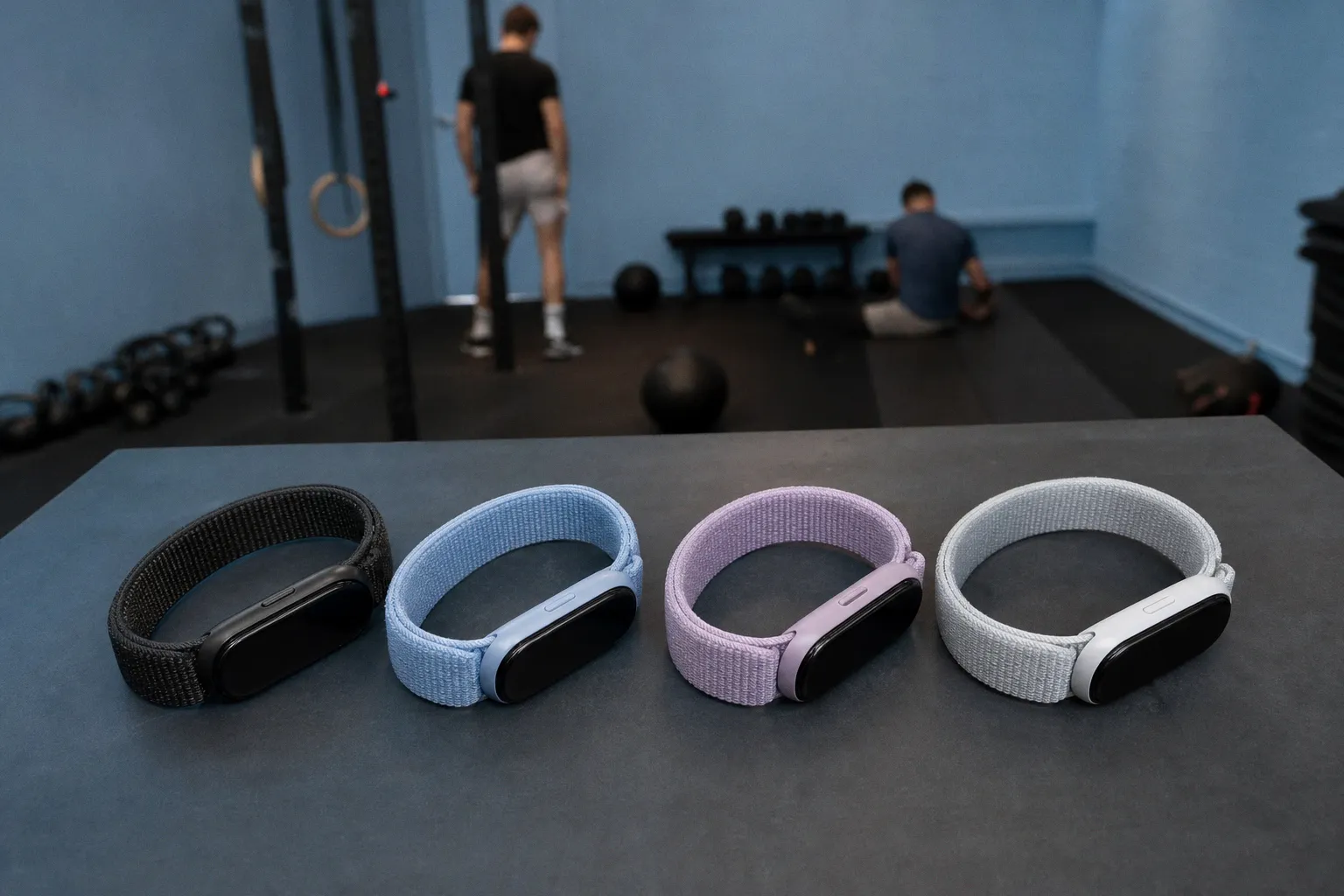
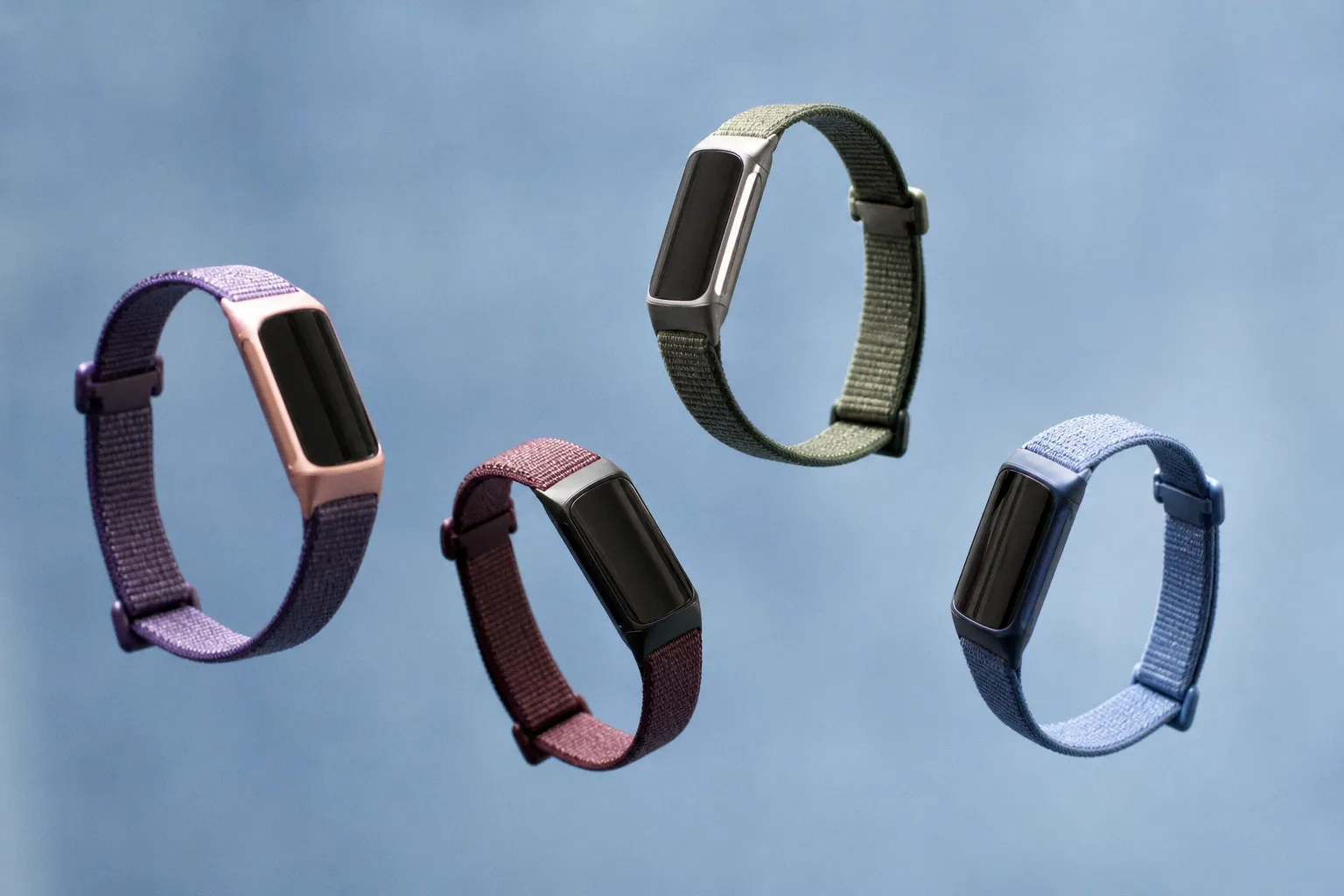
CNN reports that smart rings, fitness trackers, WHOOP devices, Oura Rings, sweat patches, and performance vests are being used to monitor sleep, workouts, heart rate, body temperature, fatigue, recovery, and hydration. For home HIIT users, the lesson is not “buy what pros wear.” It is simpler: track fewer metrics, track them consistently, and stop treating every dashboard as a performance diagnosis.
The useful signal is trend, not gadget drama
Dr. Justin Mullner, a sports medicine physician at Orlando Health Jewett Orthopedic Institute and team physician for Orlando City SC and Orlando Pride, told CNN that wearable data can help athletes spot when sleep is slipping or recovery is off their normal pattern.
That is the part worth stealing.
For related context, see World Strength Training Equipment - Market Analysis, Forecast, Size, Trends and Insights.
Not the elite-sport theatre. Not the stack of devices. The trend line.
For home conditioning, the core metrics are basic:
| Metric | Why it matters for HIIT |
|---|---|
| Sleep | Poor sleep usually shows up before poor output |
| Heart rate | Useful for session intensity and recovery pattern |
| Workout load | Shows whether hard days are actually hard |
| Body temperature | Some devices track it as part of health monitoring |
| Recovery trend | Flags whether fatigue is accumulating |
That is enough for most people training in a spare room, garage, park, or hotel floor.
Mullner also made the limit clear: wearable data is “more than enough” for a casual athlete or weekend warrior, but only one small piece of the puzzle at the highest level. Pros pair it with clinical exams, athletic trainers, physicians, and blood and urine testing.
Translation: your ring is not a medical staff. It is a trend logger.
Sweat patches bring hydration into the data pile
CNN also reports that a high-tech sweat “sticker” was used with players on Brazil’s national team before the tournament. The Gatorade Sports Science Institute worked with the team on sweat testing to produce personalized hydration insights, including sweat rate and electrolyte loss profiles, according to Roozbeh Ghaffari, CEO and co-founder of Epicore Biosystems.
The Gx Sweat Patch sticks to the body and measures sweat rate, fluid loss, sodium concentration, and sodium loss. It is single-use and connects to a smartphone app. Ghaffari described it as a smart sticker with micro-channels that fill with small amounts of sweat, where built-in chemistry analyzes composition.
For HIIT, this matters because high-intensity work creates messy conditions: heat, repeated intervals, short rests, and a lot of fluid loss for some athletes. A sweat patch gives more specific hydration feedback than guessing from a drenched shirt.
But keep the brakes on.
A sweat patch can report sweat-related metrics. It does not make burpees better. It does not fix poor pacing. It does not replace a coherent session plan.
If your intervals collapse halfway through every workout, the first audit is still mechanical: session design, rest periods, movement quality, and recovery. Hydration data comes after that.
What to track if you train at home
The World Cup angle is useful because it strips wearable tech down to its real function: fatigue management.
That is where home athletes usually fail. They stack HIIT, bodyweight circuits, runs, and “recovery” sessions until every day feels medium-hard. The wearable then gets blamed for being confusing. Usually, the plan is the problem.
Use the device like this:
Track sleep before intensity.
If the device shows sleep trending down, do not pretend your anaerobic threshold session will be clean. Adjust load or cut volume.
Track heart rate during intervals.
Not for vanity. For control. If every round turns into a red-zone scramble, you are not training precision. You are leaking output.
Track recovery as a pattern.
One poor reading is noise. Repeated poor recovery signals deserve attention.
Track hydration only if the session demands it.
Sweat metrics make more sense for high-intensity workouts, heat, long sessions, or athletes who repeatedly fade late.
The pass/fail test is simple. If a metric changes a decision, keep it. If it only fills an app screen, ignore it.
Verdict: use wearable tech for trend control, not status. For home HIIT, sleep, heart rate, workout load, recovery, and—when relevant—sweat data are the only numbers with a clear job. Everything else is dashboard decoration.