Health trackers offer a ton of data. Here are the metrics doctors want you to pay attention to
Two out of three. That's the threshold Dr. Michael Joyner at Mayo Clinic uses to judge whether a wearable metric deserves your attention: measurable, meaningful, actionable.
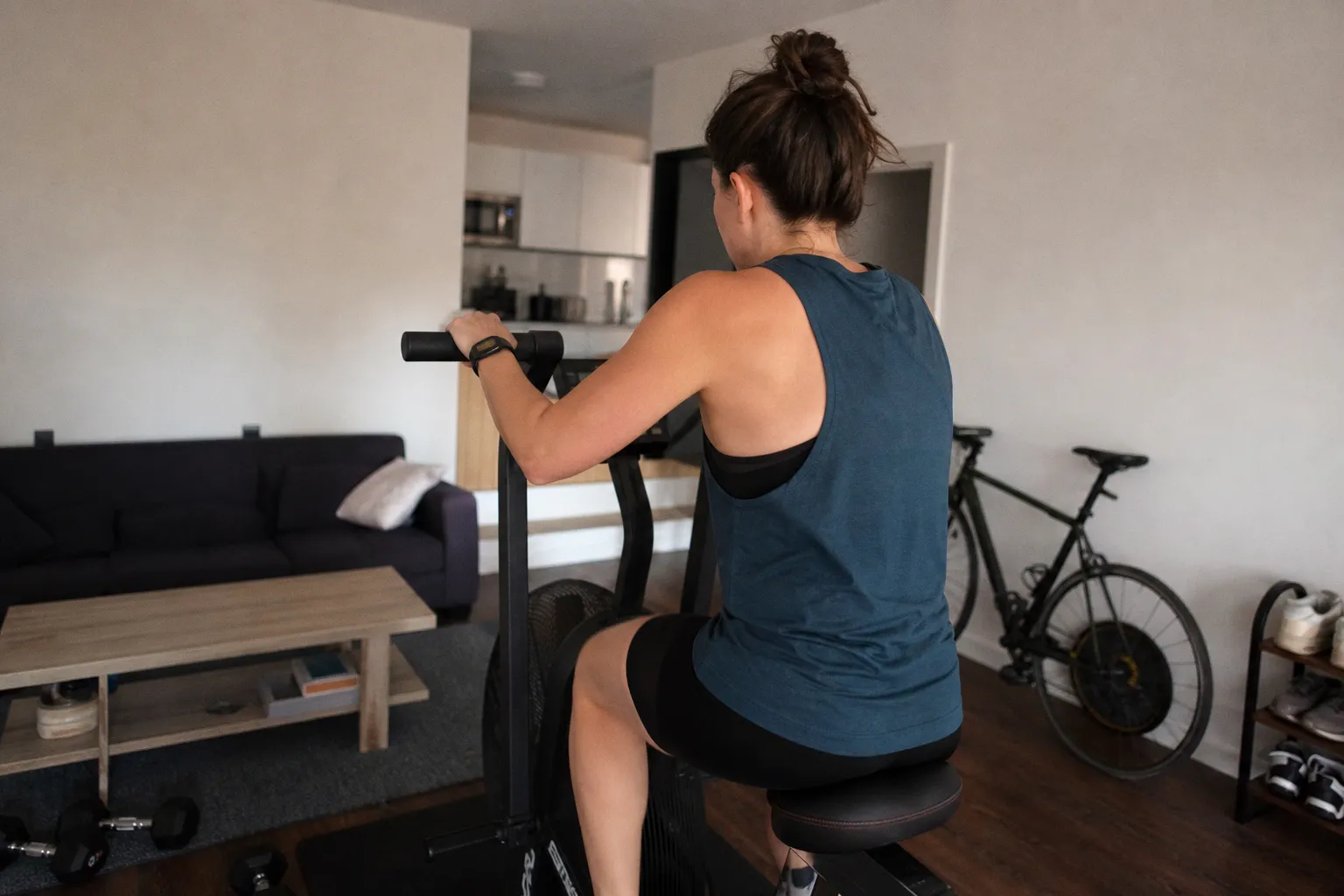
The metrics that earn their screen time
Wrist units and rings track step count, calories burned, heart rate, sleep duration, skin temperature (Oura Ring), and heart rate variability (HRV) — the millisecond-scale gaps between beats that The Economist recently called "the most useful indicator" of overall health.
HRV has the strongest case. The signal is measurable, it's gaining clinical attention as a health marker, and the output gives users a number they can respond to. Three-for-three on Joyner's criteria. That's as close as a wearable metric gets to a clean pass.
Heart rate during exercise clears the bar too: measurable, meaningful, and you can adjust intensity in real time based on the reading. Step count is measurable but rarely changes a training decision. Daily calorie estimates sit in the same category — measurable, broadly meaningless at the individual level, and not actionable enough to drive programming changes.
The over-optimization failure mode
The hardware isn't the problem. The behavior around it is. Marwa Ahmed, NASM-CPT and longevity advisor, describes the pattern: checking your sleep score each morning creates anxiety about tonight's sleep, which disrupts tonight's sleep, which drops tomorrow's score. A cortisol-driven feedback loop that raises cortisol, stokes inflammation, and undermines the very markers the tracker is supposed to improve.
Robert Dean Davies, MD, board-certified psychiatrist, flags a second risk: data overriding interoception. When the screen says "go" and your body says "recover," most people trust the screen. Over time that erodes the internal read on fatigue, hunger, and pain that good training depends on. Mary Ruiz, BHS, CBCP, frames it simply: data should never replace the relationship with your own body.
The do/skip
For HIIT and bodyweight work, sample HRV and resting heart rate over weeks. Trends move slowly; single days are noise.
Do: use HRV to decide whether today is a hard session or an easy mobility day.
Skip: sleep score anxiety loops, daily step guilt, and calorie ledgering that adds stress without changing a single training decision.