I Keep Finding New Prime Day Deals on Garmin, Oura, and Other Fitness Wearables
A usable tracker under $100 is the only Prime Day fitness story worth checking twice.
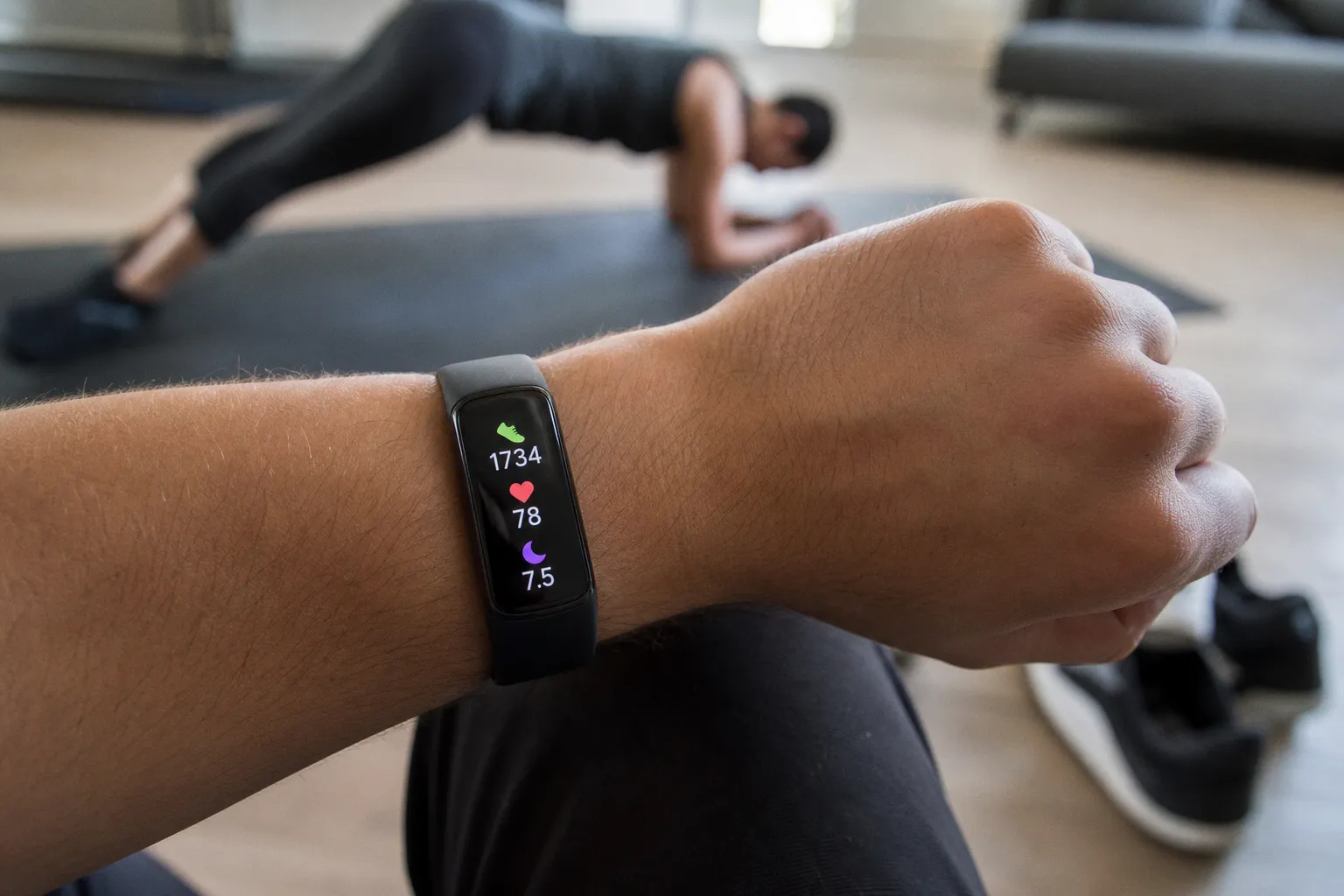
Lifehacker reports that several wearable deals are still live after Prime Day, including Garmin, Fitbit, Suunto, and discounted Oura finishes, while TechRadar flags entry-level trackers still sitting at low prices. For home training and HIIT, the question is not “Which wearable is exciting?” It is simpler: which device gives enough data to guide load, recovery, and consistency without wasting budget.
The sub-$100 tracker fight is mostly Fitbit
The cleanest budget numbers are on Fitbit.
Lifehacker lists the Fitbit Charge 6 at $85.45, down $60 from its original price, and calls it a lowest-ever price. TechRadar, looking at UK pricing, reports the same model at £75.05, reduced from £139.99. That is the standout entry point if you want wrist-based tracking with its own GPS.
That matters for runners, interval work, and outdoor conditioning. Built-in GPS is not a luxury if you care about pace consistency or repeatable cardio sessions. Phone GPS works. Until it does not. A tracker with its own GPS removes one weak link.
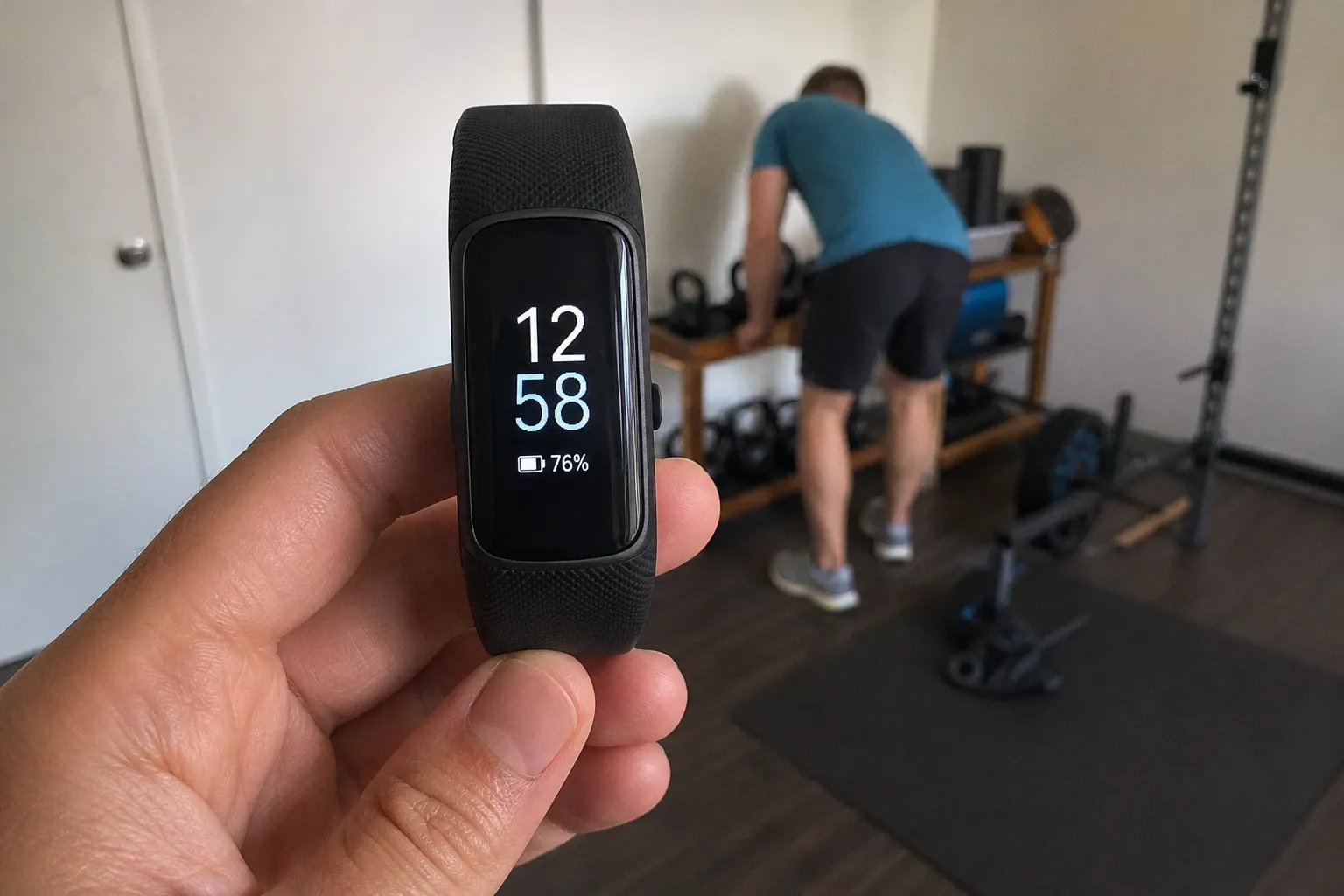
The Fitbit Inspire 3 is cheaper. Lifehacker has it at $66.45, $30 less than usual. TechRadar lists it at £59.99, down from £84.99. It is the more minimal option, and Lifehacker notes a useful quirk: Inspire and Charge can be worn in a waistband clip for step tracking, though not heart rate.
That is a niche but practical use case. If wrist wear bothers you during kettlebell work, push-ups, or loaded carries, clip-based step tracking is better than abandoning tracking completely. But no heart rate means no useful read on interval intensity.
Garmin is still the better training tool, but the floor price is higher
Garmin’s summer sale is still running, according to Lifehacker, and the useful deals are on older models. That is not a red flag by itself. Running watches do not become useless because a new model appears.
The Forerunner 55 is listed at $129.99, down from $199.99. It is described as Garmin’s most basic new running watch, but still a serious enough tool for structured running. For home-fitness readers using HIIT plus road intervals, this is the cheap Garmin line to watch.
The Forerunner 165 is listed at $199.99, down from $249.99. The music version costs $50 more than the standard model. That upgrade is only relevant if you actually train without a phone. Otherwise, it is a convenience tax.
The Forerunner 265 is listed at $349.99, down from $449.99. This is where the data gets more useful for athletes who train with intent. Lifehacker notes dual-band GPS, power meter support, and training status. Those are not cosmetic features. They help if you are managing running load, threshold work, and progression instead of just counting steps.
The Vivoactive 5 is listed at $189.99, normally $229.99. Lifehacker frames it as a casual fitness watch with touchscreen control plus two physical buttons for starting, stopping, and lapping workouts. Physical buttons matter when sweat, rain, or fast intervals make touchscreens annoying.
Oura is recovery-first, not a HIIT watch
Oura is also still discounted, but the value case is narrower.
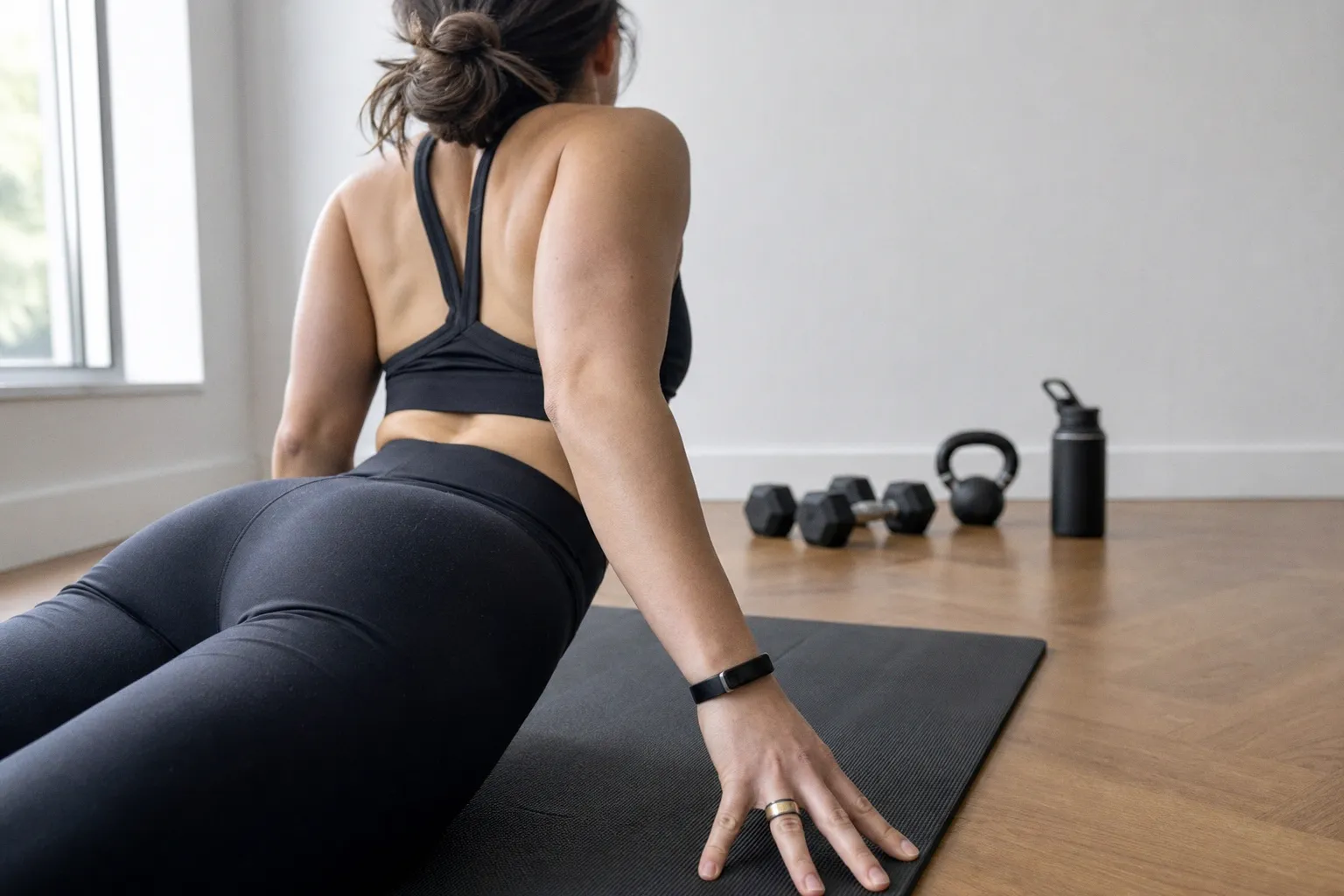
Lifehacker reports that Oura Ring 5 recently came out, and that the Oura Ring 4 saw deep discounts. The best prices are over, but gold, rose gold, and ceramic rings are now $399, or $100 off their original price. Ceramic finishes are listed at $399, originally $499, though availability depends on color and size.
That is still expensive compared with a Fitbit or entry Garmin. It may make sense if your main priority is passive health and recovery tracking. It is less convincing if you need real-time workout control, laps, pace, or interval handling.
For HIIT, bodyweight circuits, and cardio blocks, the ROI is blunt:
Fitbit Charge 6: best low-cost tracker if you want basics plus GPS.
Garmin Forerunner 55: better training structure for a modest jump in price.
Garmin Forerunner 265: the serious pick if training status, GPS quality, and power-meter support matter.
Oura Ring 4: recovery-first. Not the primary tool for hard sessions.
Pass on anything bought only because the badge is discounted. Buy the data you will actually use.