Garmin Cirqa Review: A Subscription-Free Alternative to Whoop
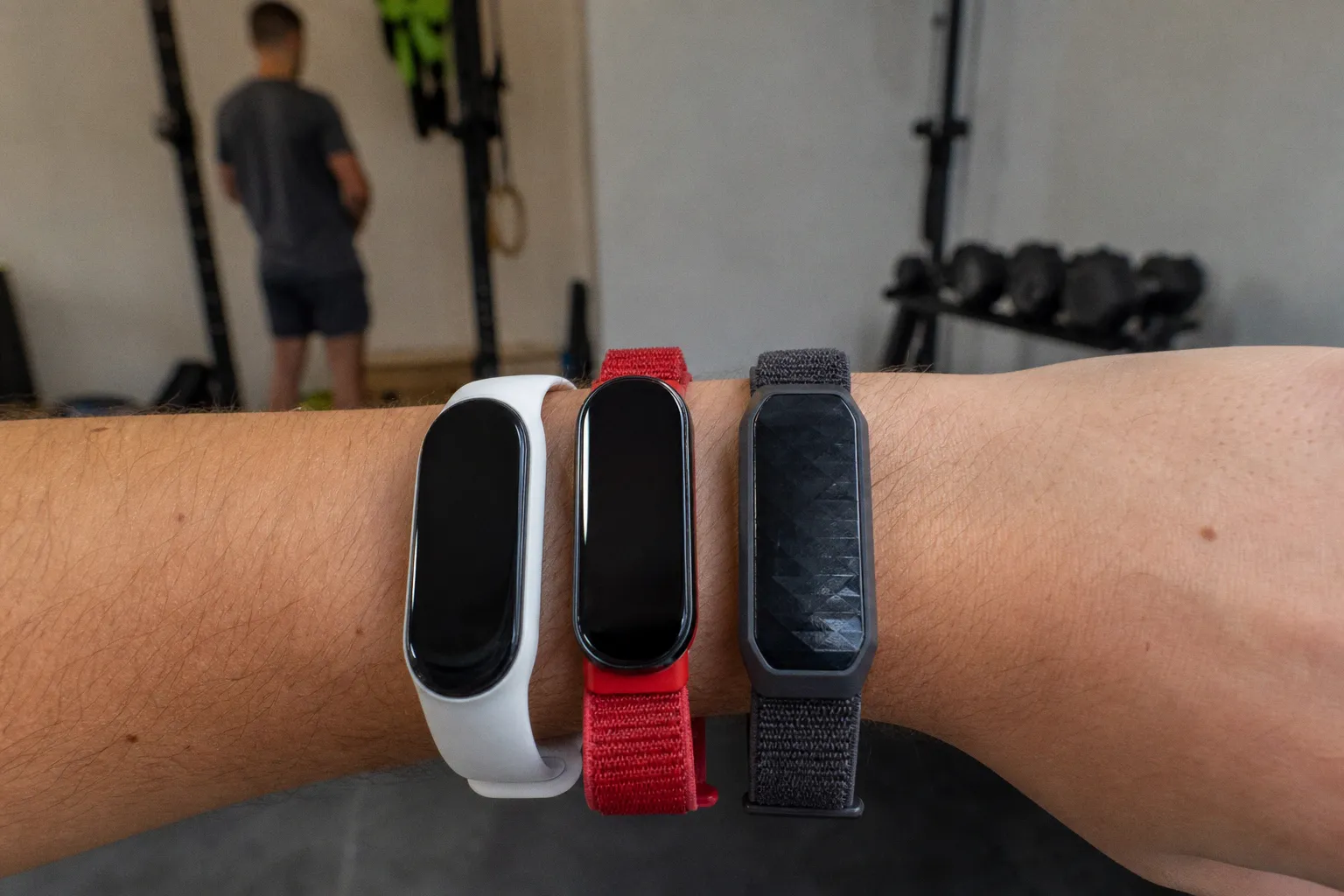
According to Briefs Finance, Garmin has entered the screenless tracker category with the Cirqa Smart Band at $200.
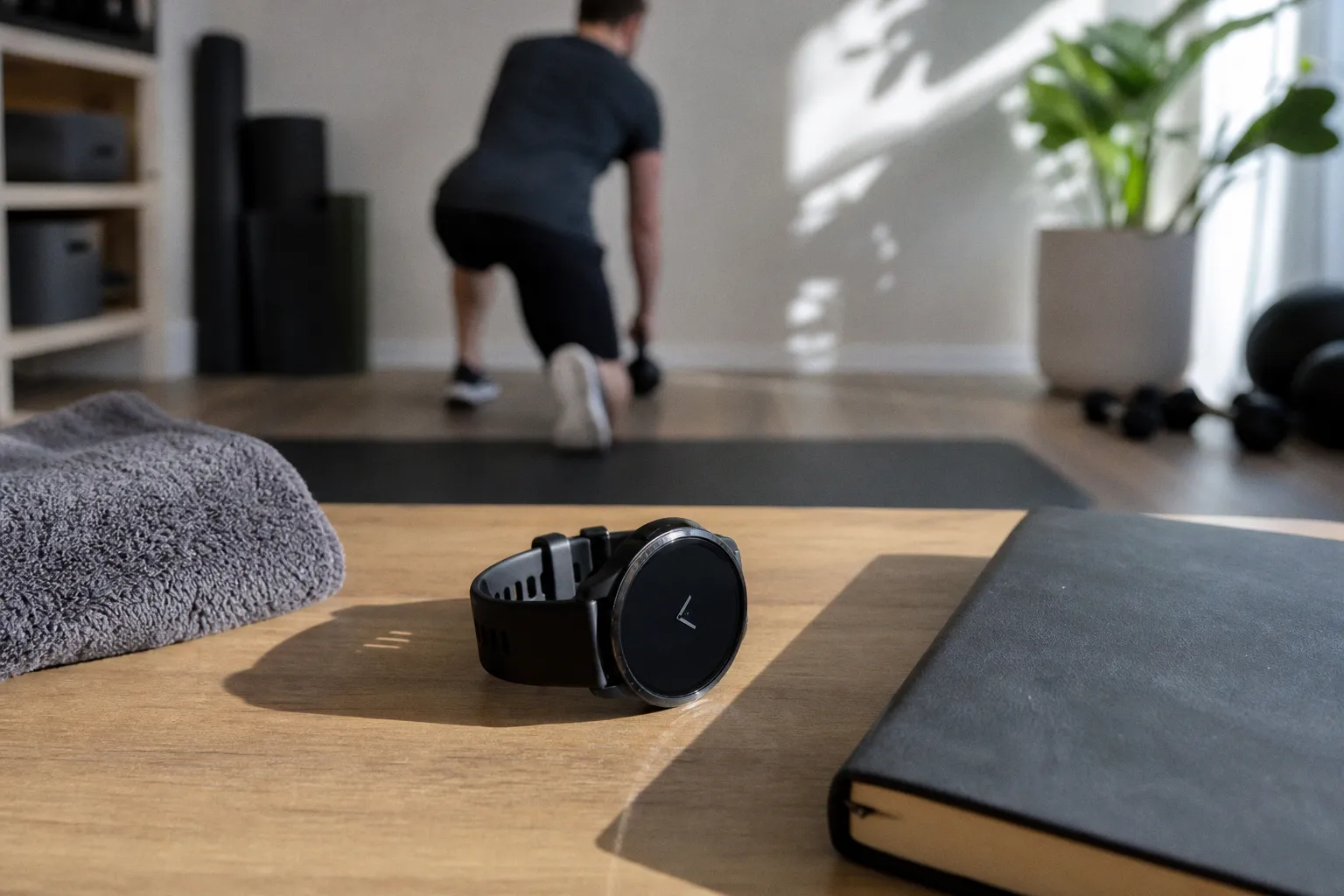
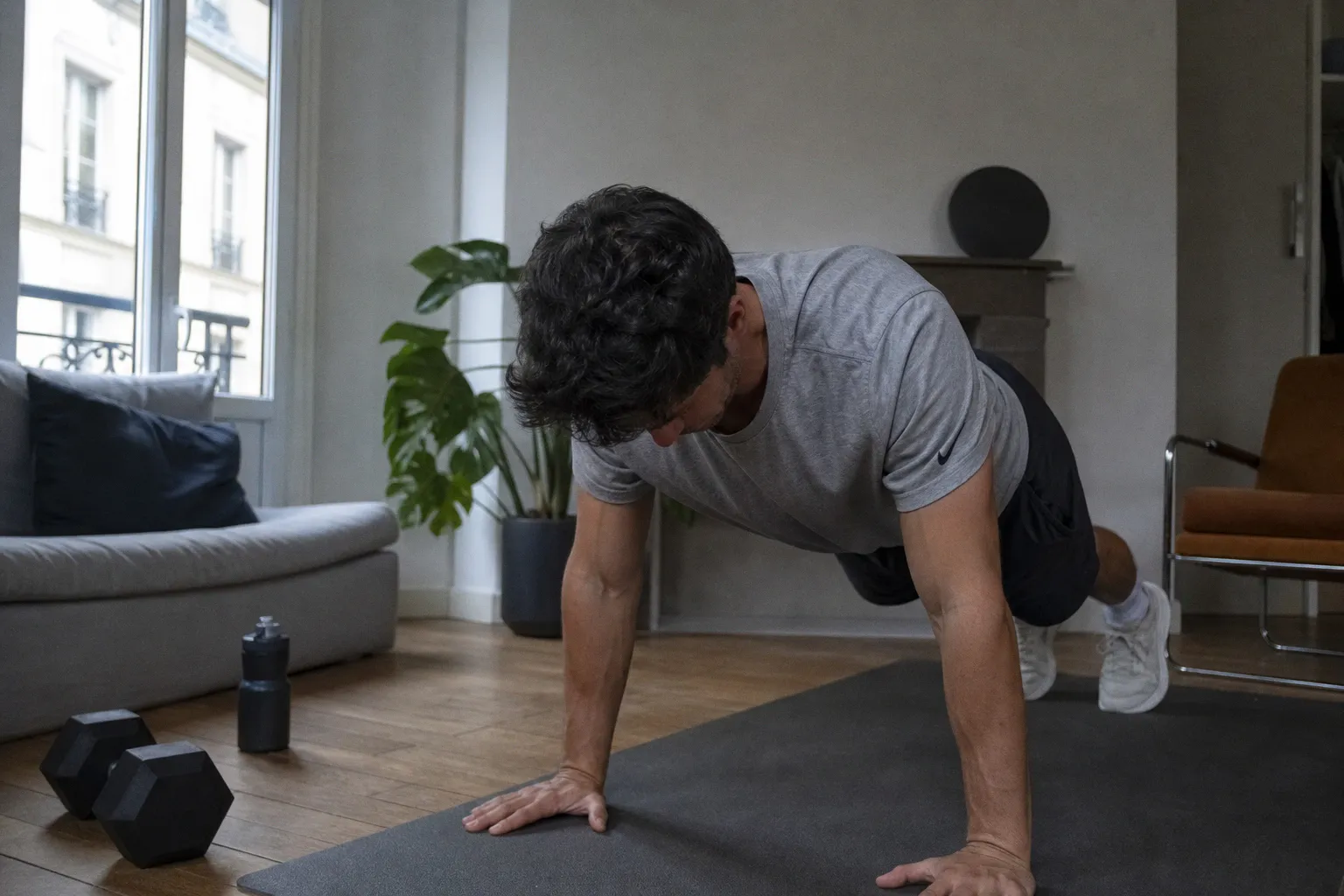
The core proposition is simple: activity and recovery data without a watch display or a subscription bill. For home HIIT, strength circuits and mobility work, that is a useful split—provided the tracking holds up when heart rate spikes.
The cost equation is the headline
Cirqa is positioned against Whoop’s recurring-fee model with a one-time purchase. Geeky Gadgets lists the price at $199. The difference is not cosmetic. A screenless tracker only earns its place if its data is actionable and its running cost stays low.
Garmin’s band records more than 80 activity types, including cycling, strength training and yoga, according to the available reports. Workouts can be started manually or detected automatically. Data then flows into Garmin Connect, where users can view measures including heart-rate variability and training readiness.
For an at-home athlete, the relevant question is not whether the band can label a workout. Most wearables can. The relevant question is whether it helps manage the overlap between HIIT volume, poor sleep and accumulated fatigue. Garmin’s Body Battery metric is part of that pitch. Treat it as a trend marker, not a training prescription.
Hardware limits remain
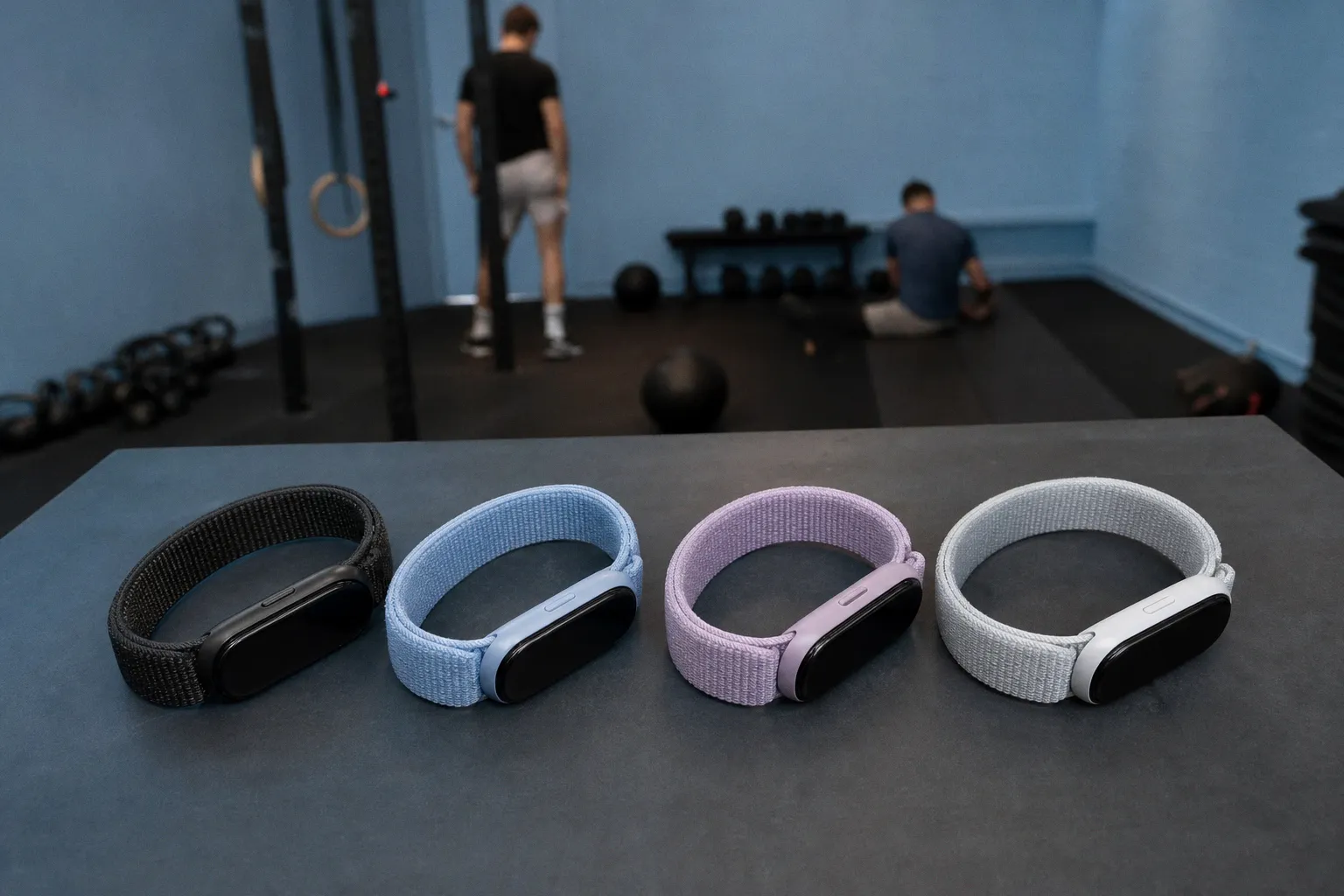
The Cirqa uses Garmin’s Gen 4 optical heart-rate sensor in a detachable pod, reports Geeky Gadgets. It weighs 20 grams and comes in two size ranges. Battery life is cited at 10 days.
But the missing hardware matters. There is no built-in GPS. Outdoor runners, cyclists and hikers need a phone for location data. There is also no ECG function. And the tracker reportedly does not automatically sync sessions to third-party platforms such as Strava.
That leaves Cirqa strongest in the place it is most likely to be worn: indoors. Bodyweight intervals. Kettlebell work. Stationary cycling. Recovery days. For these sessions, onboard GPS is irrelevant. Optical heart rate is still the weak point during explosive intervals, where wrist movement and rapid intensity changes can distort readings. No screen does not solve that problem.
Data without distraction—if you use it correctly
A display-free band removes the temptation to check pace, messages or calorie totals halfway through a session. That can be a benefit. But it also moves every decision into the app after training.
Use the numbers with basic discipline. Compare heart-rate trends across repeatable sessions. Watch whether training readiness and HRV direction deteriorate across several days. Adjust session density, not just effort. One low score is noise; a persistent decline alongside worse output is a reason to reduce anaerobic work.
Verdict: conditional buy. Cirqa makes sense for Garmin Connect users who want passive recovery and workout data without a subscription or smartwatch bulk. Pass if you need phone-free GPS, automatic third-party syncing, or live metrics during intervals.