Apple Fitness+ Launches Mindful Mobility Workouts for Desk Workers
According to 9to5Mac, Apple Fitness+ has added “Mindful Mobility,” a workout category aimed at remote workers.
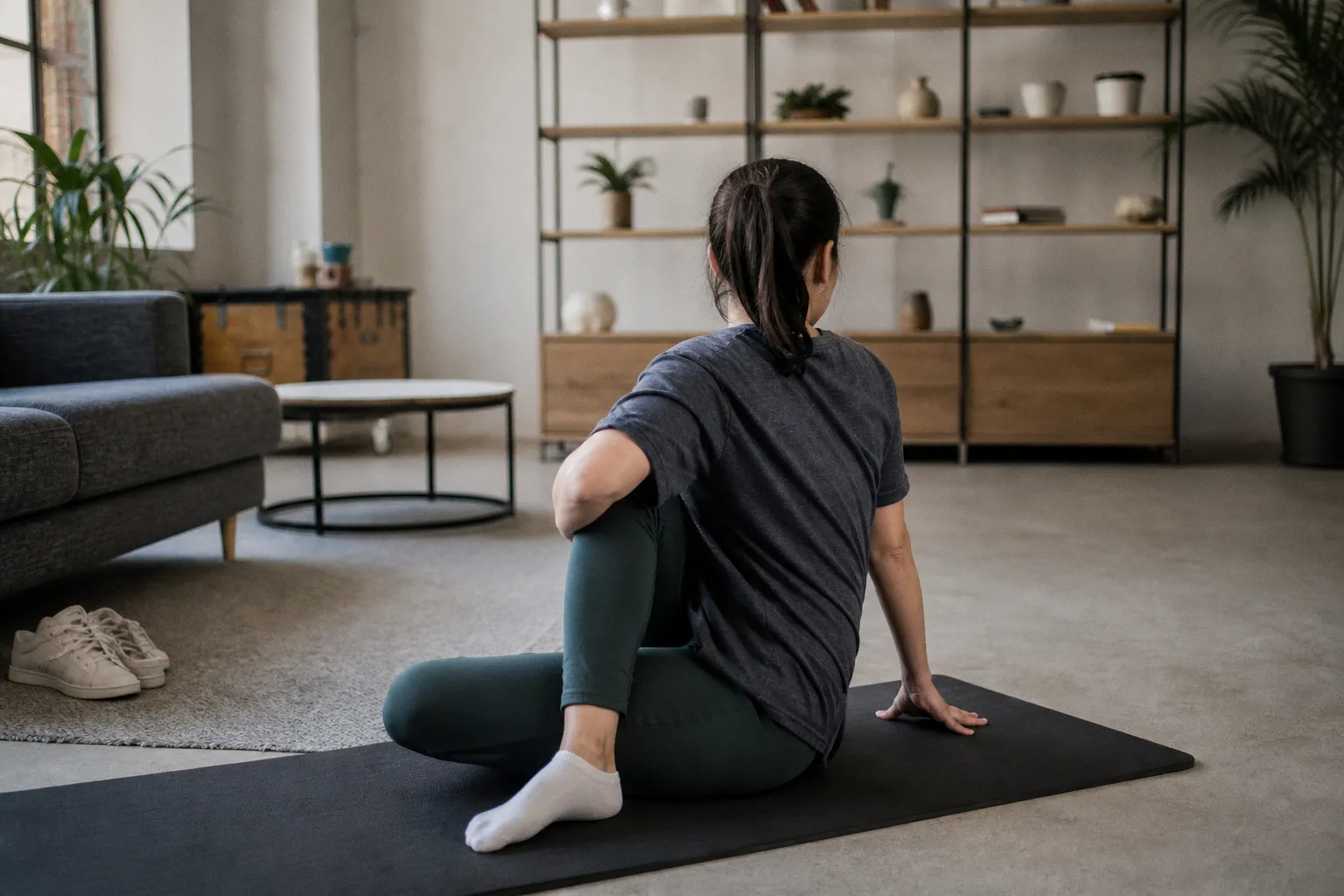
The sessions run 5 to 10 minutes, target thoracic-spine health and hip flexibility, and require no specialised equipment. That is the relevant metric here: short duration, zero hardware requirement, low friction between a desk block and a home session.
For a home-gym audience, this is not a new training system. It is a mobility-format addition built around the constraint most subscriptions ignore: the workout has to fit into the working day.
The format is clear. The performance claim is not.
Apple’s stated focus is the thoracic spine and hips. Those are two areas named in the report. It does not provide programming details, movement lists, session frequency, progression standards, or any outcome data.
That matters.
“Mobility” is often used as a catch-all label for light movement, stretching, warm-ups and recovery work. None of those should be assumed here. The only confirmed format is a 5-to-10-minute, equipment-free session designed for a home-office setting.
So the practical value is convenience, not a demonstrated training effect. A short block may be easier to place between calls than a full yoga class or a 30-minute strength circuit. But Apple has not, in the available information, established what these sessions do beyond their stated focus.
No gear is the strongest part of the proposition
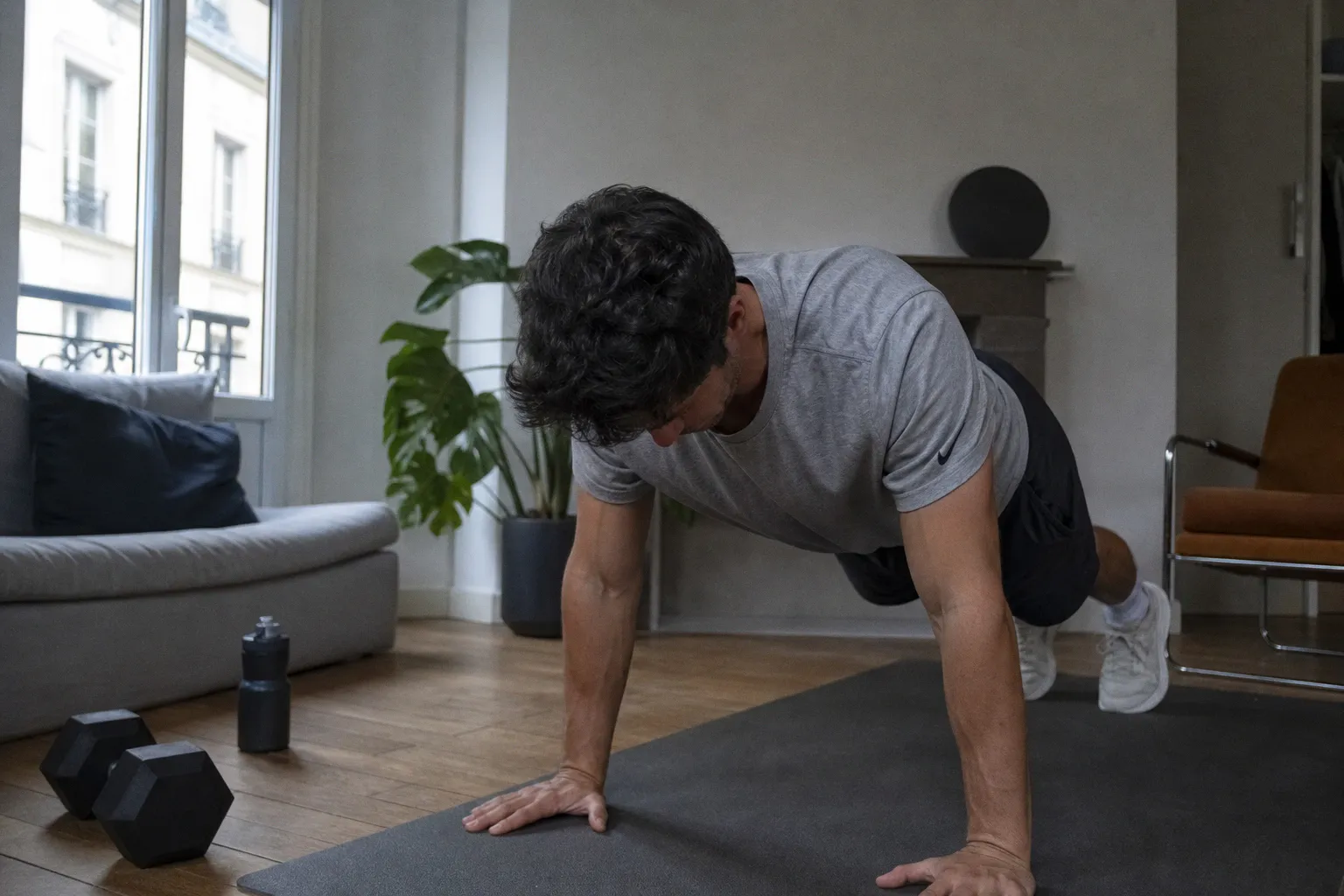
No specialised equipment means no mobility bench, massage device, cable station or dedicated floor setup is required. For an apartment setup, that is a better cost-to-use ratio than most “desk recovery” hardware: the equipment spend is zero.
It also removes the usual home-gym failure point. Gear that needs assembly, storage space or a permanent corner tends to lose against a chair, a laptop and a packed calendar. These sessions are explicitly designed for that environment.
The limitation is equally simple. No equipment does not automatically mean no subscription cost, no screen requirement or no scheduling friction. The report does not specify access terms, instructor lineup, session library size, or whether the category uses a progression model. Those details determine whether “five minutes” becomes a repeatable habit or just another tile in an app.
What to track before treating it as training
Watch the basics:
| Confirmed | Not confirmed |
|---|---|
| 5–10 minute sessions | Specific exercises |
| Thoracic-spine and hip focus | Progression plan |
| Remote-worker target | Frequency guidance |
| No specialised equipment | Measured outcomes |
For HIIT and strength users, this belongs outside the main workload. It is not presented as cardio, resistance work, anaerobic-threshold training or a substitute for either. The category’s value is that it occupies a small time slot with no equipment barrier.
Verdict: pass on buying mobility gear for this use case. The reported Apple Fitness+ format is built to work without it. Whether the sessions justify time in a weekly plan depends on the programming details Apple has not yet disclosed.