Exercise Snacks for Desk Workers: Breaking Sedentary Habits
A few minutes every 30 to 45 minutes. That is the useful number in the latest “exercise snacks” discussion reported by PNN Digital — not a new miracle workout, not a replacement for conditioning, and not a free pass to skip strength work.
For home-training people stuck at desks, the point is simple: break the sitting block before it becomes the dominant training stimulus of the day.
The target is the chair, not your workout plan
The current argument around exercise snacks is narrow. Good. Narrow usually means testable.
PNN Digital reports that short bursts of movement — bodyweight squats, stair climbing, or brisk walking — done every 30 to 45 minutes are being discussed for their effect on post-meal blood glucose, circulation, and the metabolic drag of prolonged sitting.
That matters for remote workers and desk-heavy lifters because sitting is not neutral. It is a load. Just a passive one. Eight to ten hours behind a screen can out-volume a 30-minute home HIIT session by a brutal margin.
The mechanism being highlighted is basic muscle contraction. Working muscle can act as a glucose sink, helping absorb glucose from the bloodstream. Squats, stairs, and walking all qualify. No equipment. No warm-up ritual. No app badge required.
But the claim has a hard ceiling. These snacks are designed to interrupt inactivity. They are not being presented as a full substitute for structured cardiovascular work, strength training, or mobility.
That distinction matters. A two-minute stair burst may help break sedentary time. It does not build the same aerobic base as planned cardio. It does not replace progressive overload. It does not fix poor ankle mobility. Different tool. Different job.
Where this fits in a home HIIT week
For the vibe5fitness.com audience, the practical use case is not “ditch workouts.” It is “stop waiting for the perfect workout window.”
Use exercise snacks on the dead zones of the day:
- after long screen blocks
- between meetings
- after meals
- before the evening slump
- on days when a full session is unlikely
Keep the menu boring. That is a feature.
Bodyweight squats. Stair climbs. Brisk walking. Short movement breaks. Repeatable beats clever.
The reported cadence — every 30 to 45 minutes — is aggressive for some workdays, but the principle is sound: frequency beats ceremony when the enemy is continuous sitting.
For HIIT users, this also solves a common programming error. People treat intensity as the only variable that matters. Then they sit all day, crush one hard interval session, and call the system balanced. It is not balanced. It is polarized badly: long inactivity, then high stress.
Exercise snacks fill the low-friction middle. They raise daily movement without asking for another formal session. That may help consistency for people who struggle with longer routines, which PNN Digital notes as one reason the idea is entering mainstream wellness conversation.
Still, keep the hierarchy clean:
Structured cardio builds capacity.
Strength training builds tissue and force output.
Mobility work preserves usable range.
Exercise snacks interrupt sedentary exposure.
Do not confuse them.
Track less, judge better
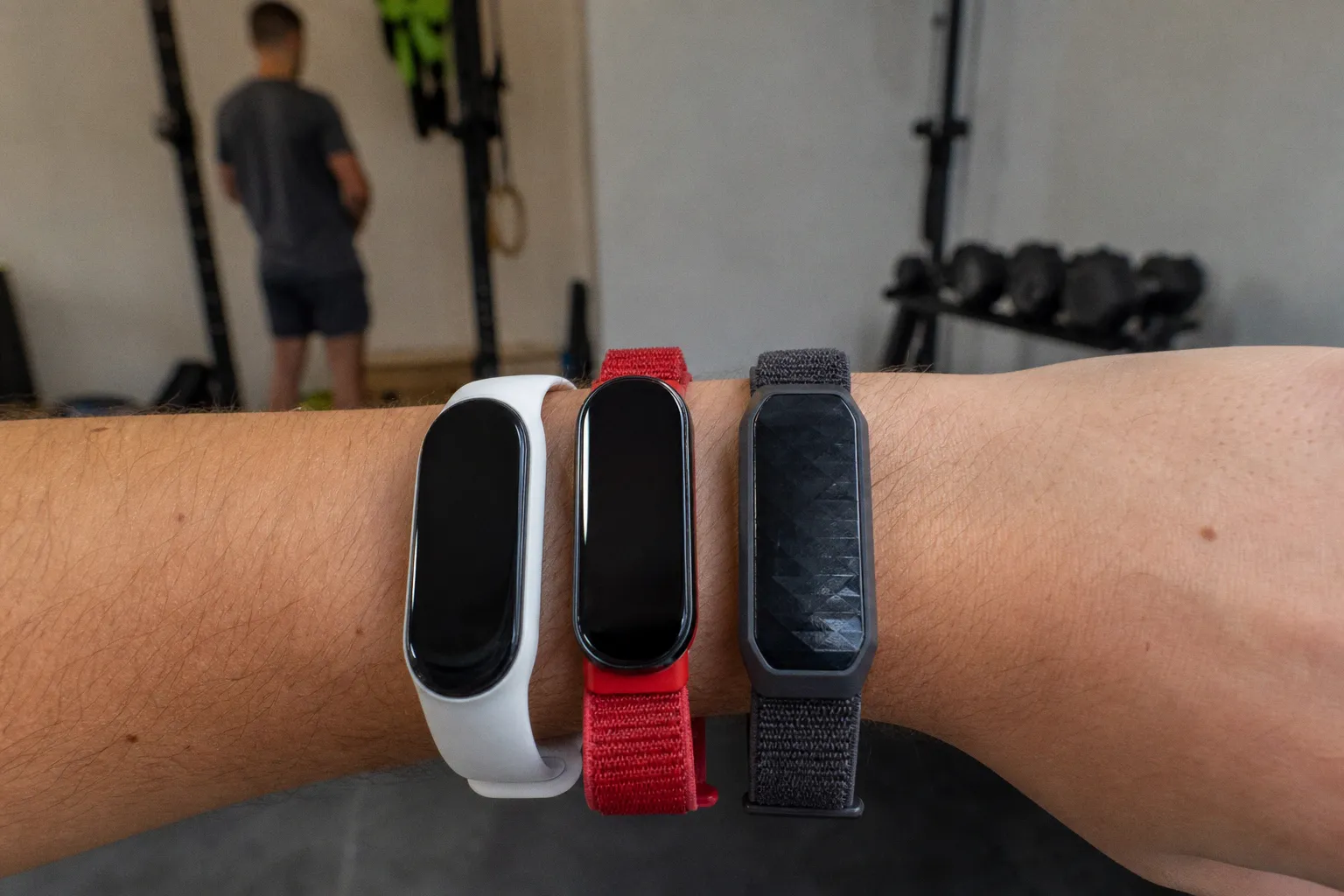
The Conversation’s related warning on fitness tracking is useful here. Wearables can nudge movement, but they also shape behavior through prompts, defaults, streaks, badges, and automated feedback.
That is where exercise snacks can get stupid fast.
If every micro-break becomes another ring to close, the low-barrier strategy turns into another compliance machine. The Conversation notes concerns around anxiety, shame, disordered eating, and people handing too much judgment to devices that may not understand context: poor sleep, injury, illness, pregnancy, recovery status, or being newly active.
Also: the 10,000-step target is not a universal law. The Conversation says it came from a 1960s Japanese pedometer marketing slogan, and researchers still debate ideal step counts, with some pointing to around 7,000 as more realistic and beneficial for many adults.
That matters because exercise snacks may not look impressive on a tracker. Strength work, mobility, Pilates, rehab, cycling, and swimming can be undercounted or misread. Wrist movement is not physiology. A badge is not VO2 max. A streak is not tissue capacity.
So use the watch if it helps you stand up. Ignore it if it starts making “more” the only metric.
The ROI verdict is plain: do exercise snacks if your day is mostly seated and your workouts keep getting postponed. Keep them short, repeatable, and equipment-free. Pass on the hype if anyone sells them as a full replacement for cardio, strength, or mobility.