5 things to consider before buying a screen-free fitness tracker
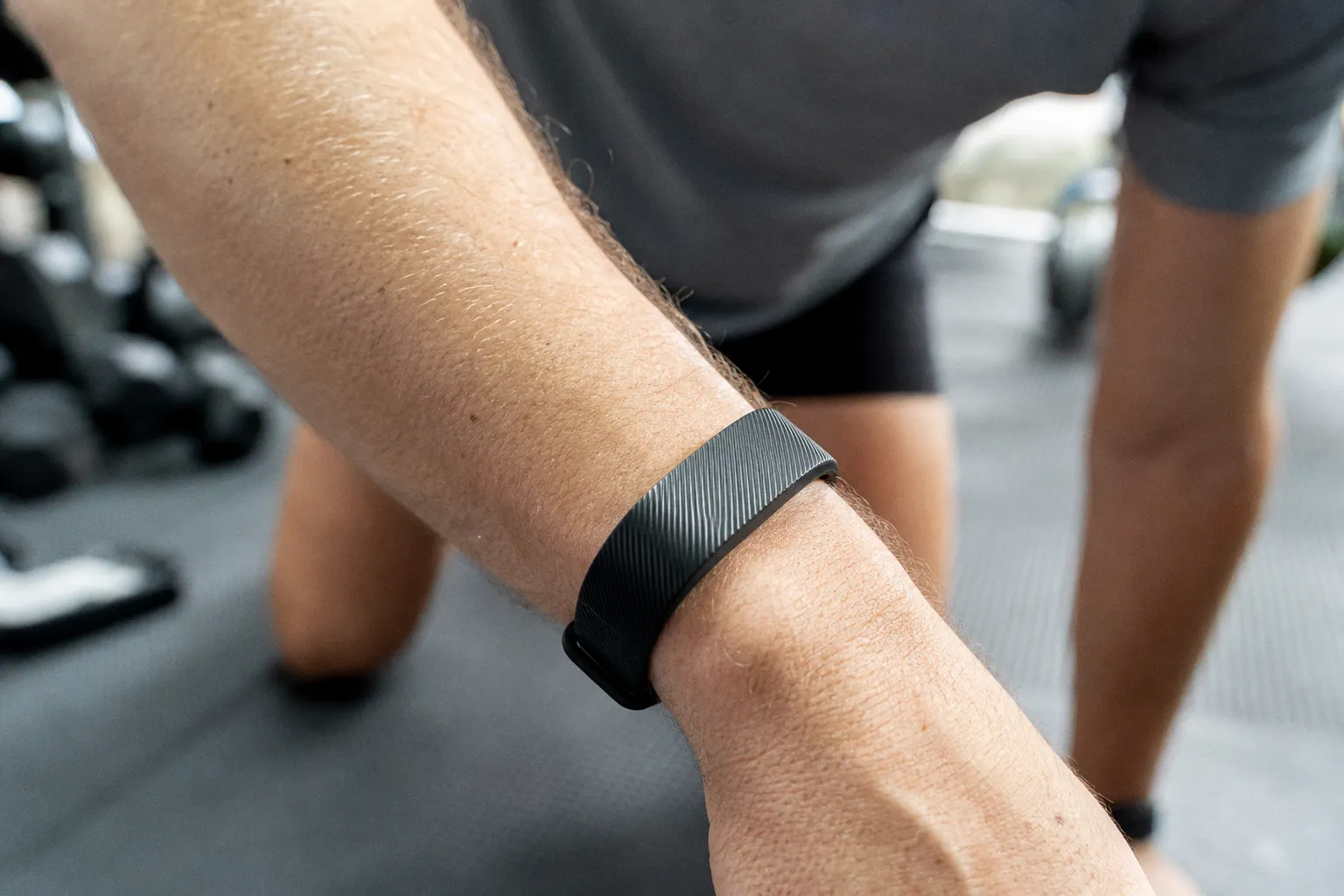
A $99 tracker with a seven-day battery is now the baseline. If you’re shopping for a screen-free wearable, you’re paying for sensor accuracy and battery life, not a tiny display you’ll squint at mid-burpee.
Data Accuracy vs. Convenient Metrics
The Fitbit Air covers heart health, sleep quality, daily movement, and workouts. For HIIT, the key is whether the optical heart rate sensor can keep up with rapid intervals and track recovery metrics like HRV. Without a screen, all verification happens post-workout in the app. That’s a hard pass if you need real-time pace zones or heart rate alerts during a session.
The Cost-Per-Metric Breakdown
Screen-free devices target a specific cost-benefit ratio. The Fitbit Air sits at $99. The Oura Ring 4, a perfect 5-star tracker for sleep and stress, operates in a different price tier. The Xiaomi Smart Band 10 Pro, reviewed as getting fundamentals right, represents the budget end. You’re comparing a week-long battery with no distractions against a lower upfront cost with basic metric tracking. The value is in what you won’t use: notifications, apps, and always-on display.
Integration With Home Workouts
For bodyweight training and mobility routines, durability and sweat resistance matter more than a built-in GPS. The Fitbit Air’s water-resistant design, noted for quick-drying, suits high-intensity sessions. Battery life dictates charging cycles—seven days means less downtime. Your decision hinges on your workout log: if you sync and analyze data after, screen-free works. If you need live feedback to hit anaerobic thresholds, you’re in the wrong category.