A meal with 12 grams of protein is not high-protein meal prep. It is a carb meal with a protein garnish.
For training at home, the arithmetic is blunt. If daily intake targets roughly 0.7 to 1 gram of protein per pound of bodyweight, a 180-pound trainee needs 126 to 180 grams per day. Split that across four meals and each meal needs to carry 32 to 45 grams. Most “healthy high protein meal prep” content fails at this first calculation.
Meal prep high protein recipes also fail for a second reason: food safety. Chicken cooked on Sunday does not become safe until next Sunday because it sits in a sealed glass container. Refrigeration slows bacterial growth. It does not negotiate with it.
These are the five controls that determine whether protein prep recipes for fitness actually support training—or merely fill containers.
1. Build meals around protein distribution, not a daily total
Daily protein matters. Distribution matters too.
A common muscle-building range is 0.7 to 1 gram of protein per pound of bodyweight per day. That is a useful working range for active people doing resistance work, HIIT, bodyweight circuits, or high-volume conditioning. It is not a license to pile all protein into one oversized dinner.
Muscle protein synthesis is a repeated process. A 140-gram daily target has a different result when it is spread across four substantial feedings than when breakfast supplies 10 grams, lunch supplies 15 grams, and dinner attempts to rescue the entire day with 90 grams.
The practical target is simple:
1. Set the daily number first. A 160-pound person training regularly may start around 112 to 160 grams per day. Bodyweight, goal, total calorie intake, training load, and medical history all change the final target.
2. Divide it into realistic eating events. Four meals of 30 to 40 grams is usually more operationally sound than six tiny meals that require constant food handling.
3. Make breakfast count. A high-protein breakfast should generally deliver about 30 grams, not one egg beside toast.
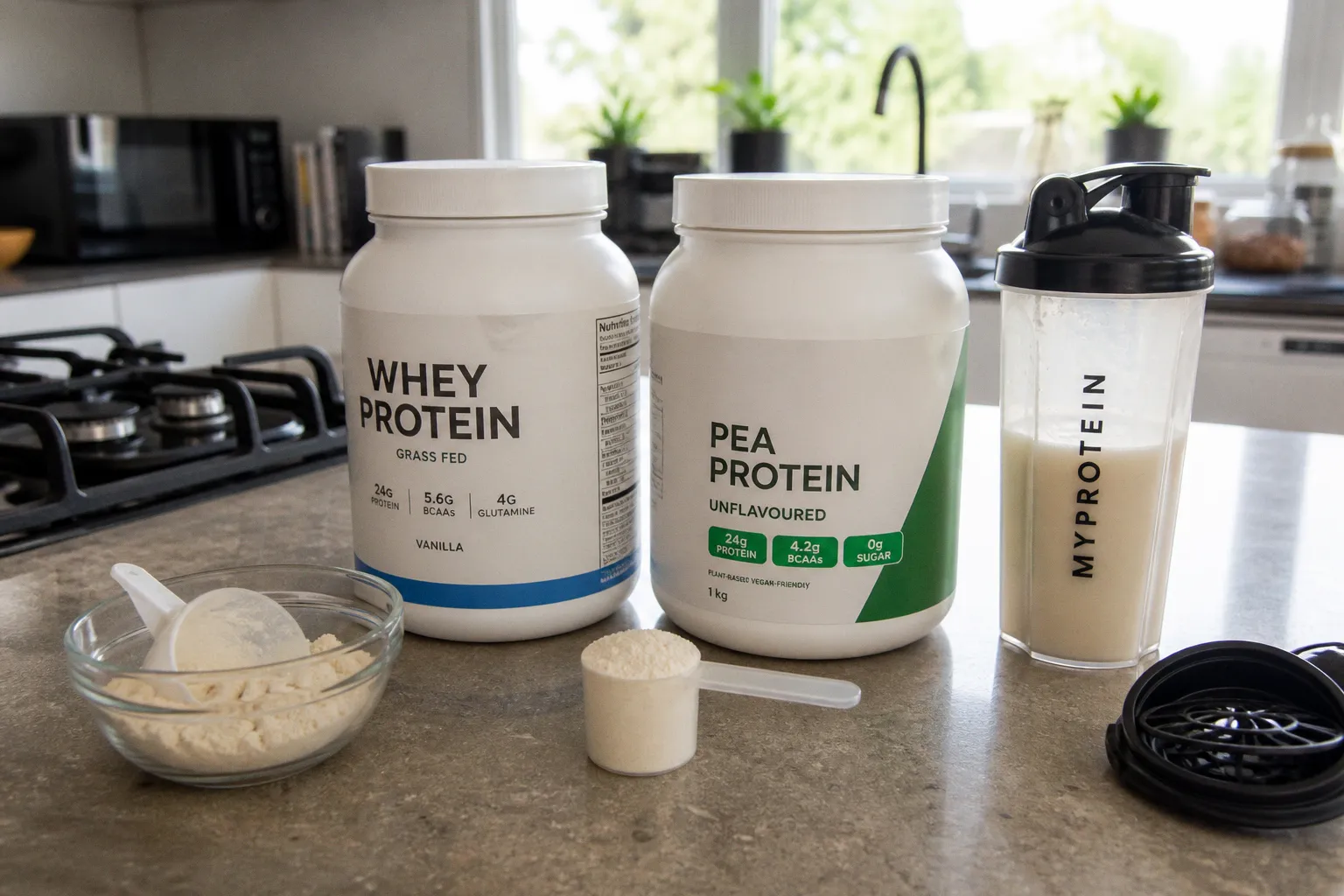
4. Use snacks as gap-fillers, not structural beams. Greek yogurt, cottage cheese, eggs, tofu, or a protein shake can close a 15- to 25-gram gap. They should not compensate for three low-protein main meals.
For a trainee targeting 150 grams daily protein, this is a competent layout:
| Meal | Protein target | Functional role |
|---|---|---|
| Breakfast | 30–35 g | Stops the low-protein morning deficit |
| Lunch | 35–40 g | Supports afternoon training or recovery |
| Dinner | 35–45 g | Main meal without turning into a 1,200-calorie correction |
| Snack / post-workout meal | 30–35 g | Closes the daily total with minimal prep friction |
This is not nutrition theatre. It is load management.
A hard HIIT session pushes glycogen demand and exposes poor recovery habits. A bodyweight strength session done close to failure creates a muscle-repair demand. Neither problem is solved by a meal that contains 18 grams of protein because the recipe label used the word “fitness.”
Protein meal prep works when each container has a job: deliver a meaningful dose, fit the day’s calorie budget, and survive storage safely.
2. Hit the leucine threshold instead of worshipping protein grams
Thirty grams of protein from one source is not always equivalent to 30 grams from another.
The missing variable is amino acid profile, especially leucine. Leucine acts as a key signal for muscle protein synthesis. A useful target per meal is roughly 2.5 to 3 grams of leucine. That threshold is one reason high-quality protein sources remain efficient tools for athletes and home trainees.
Animal proteins generally reach that threshold with less food volume. Whey, dairy, eggs, poultry, lean meat, and fish are efficient because their amino acid profiles are dense and complete.
Plant-based fitness diets can also work. They just require less casual math. A bowl built around rice, vegetables, and a modest scoop of beans may be nutritious, but it is often weak on both total protein and leucine. The fix is not panic. It is recipe design.
Use these rules:
- Anchor plant meals with concentrated proteins. Tofu, tempeh, seitan, soy yogurt, textured vegetable protein, and protein powders do more work per calorie than beans alone.
- Stack complementary sources. Lentils plus tofu, chickpeas plus seitan, or beans plus a soy-based protein component create a more credible meal than a single low-density ingredient.
- Do not confuse “contains protein” with “high protein.” Oats, quinoa, nut butter, and vegetables contribute. They are not the anchor.
- Measure cooked portions at least once. Visual estimates drift fast when calorie-dense ingredients and sauces enter the picture.
Protein density makes the trade-offs obvious:
| Cooked food | Approximate protein per 100 g | Main limitation |
|---|---|---|
| Chicken breast | 31 g | Dryness if overcooked; 3–4 day fridge limit |
| 93% lean ground beef | 26 g | Higher fat load than very lean poultry |
| Salmon | 25 g | More calorie-dense; short refrigerated window |
| Whole eggs | 13 g | Low protein density when used alone |
| Beans or lentils | Variable, lower per calorie than meat | Need larger portions or a second protein source |
Eggs are the classic example of misleading perception. Four medium eggs provide roughly 28 grams of protein. That is workable, but it also brings a meaningful fat and calorie load. For someone in a calorie deficit, whole eggs may need egg whites, dairy, lean meat, or tofu alongside them. The label “natural” does not change the macro math.
For post-workout meals, there is no requirement to consume chicken and rice exactly 14 minutes after the final burpee. That is marketing residue. The better question is whether the meal helps hit daily protein, restores enough carbohydrate for the next session, and fits the rest of the day.
3. Treat the refrigerator as a 3-to-4-day system
The most common mechanical failure in easy high protein lunch prep is overproduction.
Five lunches made on Sunday look efficient. If those lunches contain cooked chicken, turkey, fish, beef, or pork and sit in a refrigerator all week, the plan is already defective. Cooked meats should be refrigerated at 40°F or below and used within 3 to 4 days.
This is not a quality preference. It is a safety limit.
The same discipline applies to cooked grains in a mixed meal. A rice bowl with chicken is not safe for a full workweek merely because the chicken looks normal on Friday. Smell is not a laboratory test.
Use the storage timeline below.
| Prepared food | Refrigerator limit at 40°F / 4°C or below | Better batch strategy |
|---|---|---|
| Cooked chicken, turkey, beef, pork, fish | 3–4 days | Prep Sunday through Wednesday; freeze later portions |
| Cooked grains and mixed meat meals | 3–4 days | Portion immediately and chill quickly |
| Cooked beans and lentils | Up to 5 days | Suitable for a longer plant-based batch |
| Hard-boiled eggs | Up to 7 days | Prep as add-ons, breakfasts, or snacks |
| Tofu | Up to 7 days | Works well for a second-half-of-week batch |
| Cooked meat or poultry in freezer | 3–6 months at 0°F / -18°C or below | Freeze portions on prep day, not after neglecting them in the fridge |
The sensible workflow is a split batch:
- Cook three or four refrigerated portions for the first half of the week.
- Freeze the remaining portions as soon as they are cooled and packed.
- Move one frozen portion to the refrigerator the night before it is needed.
- Keep fast options available: hard-boiled eggs, tofu, Greek yogurt, cottage cheese, canned fish, or cooked lentils.
That approach reduces food waste and keeps the menu functional. It also prevents the usual Friday decision: eat questionable chicken or order takeout.
The danger zone is 40°F to 140°F. Perishable food should not remain there for more than two hours. If the surrounding temperature exceeds 90°F, the limit drops to one hour.
That matters after batch cooking. Do not leave a stockpot of chili, a tray of chicken, or a large rice dish on the counter until it “feels cool.” Portion it into shallow containers so it cools faster, then refrigerate. Large, dense containers hold heat in the center. That is exactly the condition you do not want.
A container lid does not extend shelf life. Temperature control does.
4. Reheating is a temperature task, not a microwave setting
“Heat for two minutes” is not a food-safety instruction. Microwave wattage varies. Container shape varies. Portion size varies. Cold spots vary.
Leftovers and casseroles need to reach an internal temperature of 165°F before eating. A basic digital food thermometer costs less than a single wasted meal-delivery order and gives a real answer. The center of the food is what matters, not steam escaping from one edge.
For high-protein meal prep, reheating problems usually come from three errors.
Overloaded containers
A dense 800-gram bowl of rice, chicken, vegetables, and sauce will heat unevenly. Split large portions into manageable containers. Stir halfway through reheating when possible. Check the center.
Lean protein cooked twice
Chicken breast is already unforgiving. Cook it to death on prep day, then blast it in the microwave for five minutes, and the result is dry protein that people stop eating by Wednesday.
Use moisture strategically:
- Include measured sauces, salsa, broth-based components, or yogurt-based dressings added after reheating.
- Store crisp vegetables separately where practical.
- Avoid reheating fish repeatedly. Portion it once. Heat it once.
- Use lower-fat ground meat or shredded chicken in sauced dishes when freezer storage is part of the plan. They tolerate reheating better than plain grilled breast.
Unsafe cooling and reheating loops
Do not warm a container, eat half, refrigerate it again, then reheat the same portion tomorrow. Portion sizes should match the meal. Every unnecessary temperature cycle adds handling and uncertainty.
Cooking temperatures matter at the front end as well. Whole cuts of beef, pork, veal, lamb, and fish require 145°F with a three-minute rest. Ground meats require 160°F. Poultry requires 165°F. These are not interchangeable targets.
The result is better than guessing. Properly cooked chicken can remain moist. Properly reheated chicken can remain edible. The “meal prep chicken is always dry” claim is usually a process failure, not a chicken problem.
5. Choose ingredients by protein density, shelf behavior, and prep friction
Most high protein meal prep ideas fail before cooking starts. The shopping list is built around novelty instead of repeatability.
A recipe that takes 90 minutes, uses 14 ingredients, produces 22 grams of protein per serving, and spoils before the workweek ends is not efficient. It is content.
A better system uses ingredients with clear roles:
- Primary protein: chicken breast, turkey, lean ground beef, fish, eggs, Greek yogurt, cottage cheese, tofu, tempeh, seitan, beans, lentils.
- Carbohydrate base: rice, potatoes, oats, pasta, wraps, fruit, legumes. Match quantity to training volume and calorie target.
- Vegetable volume: frozen vegetables are often operationally superior. No chopping loss. No produce drawer failure.
- Fat control: olive oil, avocado, nuts, cheese, and sauces are useful but calorie-dense. Measure them. “Healthy” fats still count.
- Flavor system: spice blends, acid, herbs, low-sugar sauces, garlic, ginger, chili, mustard, vinegar. Flavor compliance matters because bland food gets abandoned.
The simplest healthy high protein meal prep often has only three moving parts: protein, carb, produce. Add one controlled sauce. That is enough.
A few structures consistently outperform complicated recipes:
1. Lean protein bowls: 150 to 200 grams cooked chicken or turkey, a measured grain or potato serving, frozen vegetables, and a sauce portioned separately. High protein. Easy to scale. Best for three-day refrigeration.
2. Ground-meat skillet portions: 93% lean beef or lean turkey with beans, vegetables, and rice. Better reheating tolerance than dry grilled meat. Useful for higher-calorie training days.
3. Tofu and lentil batches: tofu as the concentrated anchor, lentils for fiber and carbohydrate, vegetables for volume. Better fridge timeline than cooked meat, but still not an excuse for unmeasured portions.
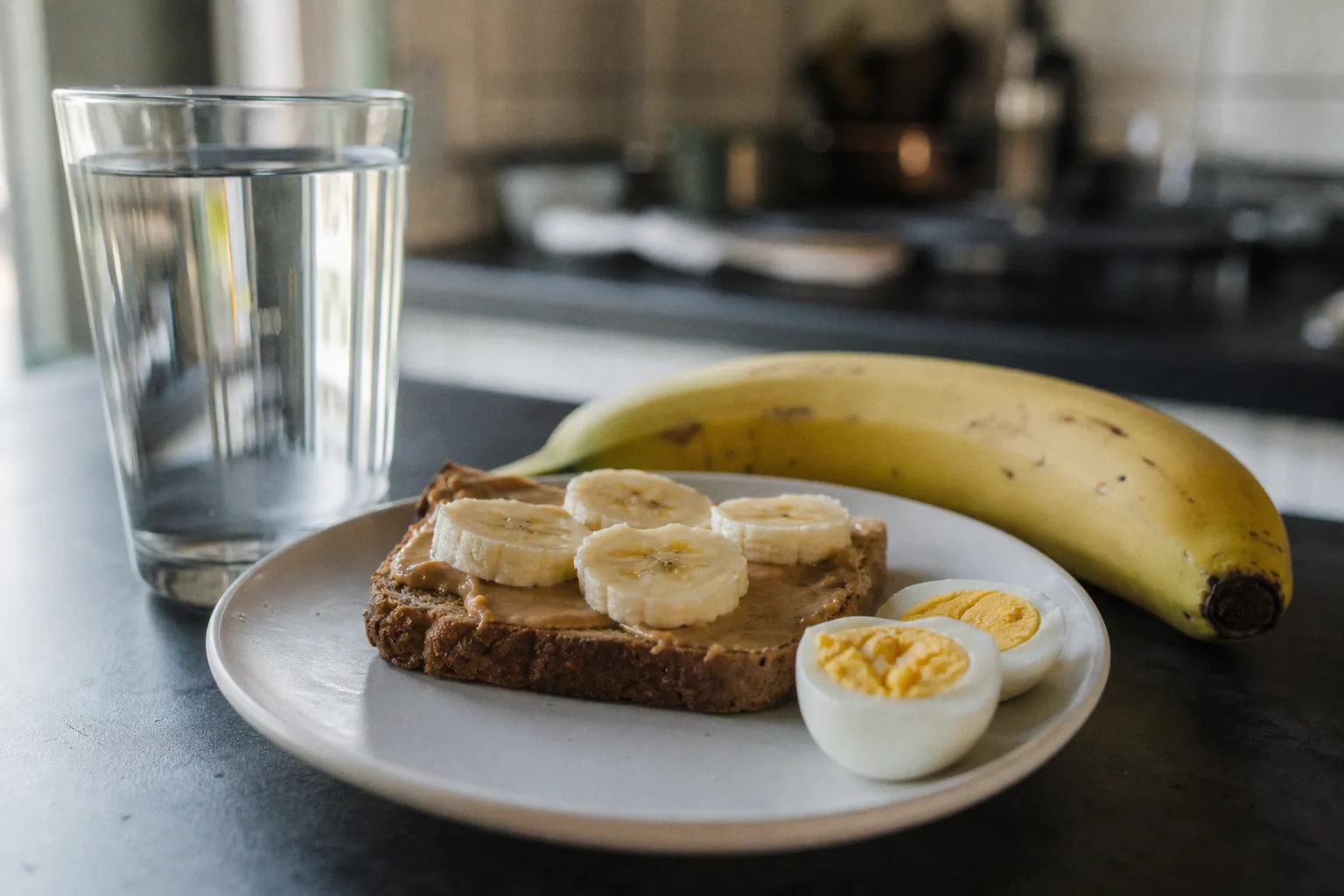
4. Egg-based breakfast prep: hard-boiled eggs plus Greek yogurt, cottage cheese, or a protein shake. Eggs alone are usually insufficient for a 30-gram breakfast target unless the serving becomes large.
5. Freezer-first chili or curry: protein-dense, portionable, and less vulnerable to texture damage than plain meat-and-rice containers. Freeze half immediately.
The calorie deficit changes the ingredient hierarchy. Protein stays high. Vegetable volume rises. Added fats and liquid calories get controlled. Carb portions are adjusted to training demand rather than erased because someone used the word “cut.”
For HIIT, complete carbohydrate removal is usually a poor trade. Anaerobic work depends heavily on glycogen. If output drops, session quality drops. If session quality drops, the supposed fat-loss efficiency becomes questionable. Use carbs with intent. Do not turn meal prep into a low-energy experiment.
The verdict: prep in short cycles or skip the batch
Meal prep high protein recipes do not need exotic ingredients, branded containers, or six hours on a Sunday.
They need numbers.
Hit roughly 30 to 50 grams of protein in the meals doing the heavy lifting. Select protein sources that can realistically reach the leucine threshold. Refrigerate cooked meat for no more than 3 to 4 days. Freeze excess portions early. Reheat leftovers to 165°F. Measure the calorie-dense extras that quietly destroy the plan.
Do: run a three-to-four-day refrigerated rotation with freezer backup.
Skip: the seven-day chicken lineup, the 18-gram “protein bowl,” and any recipe whose safety depends on optimism.