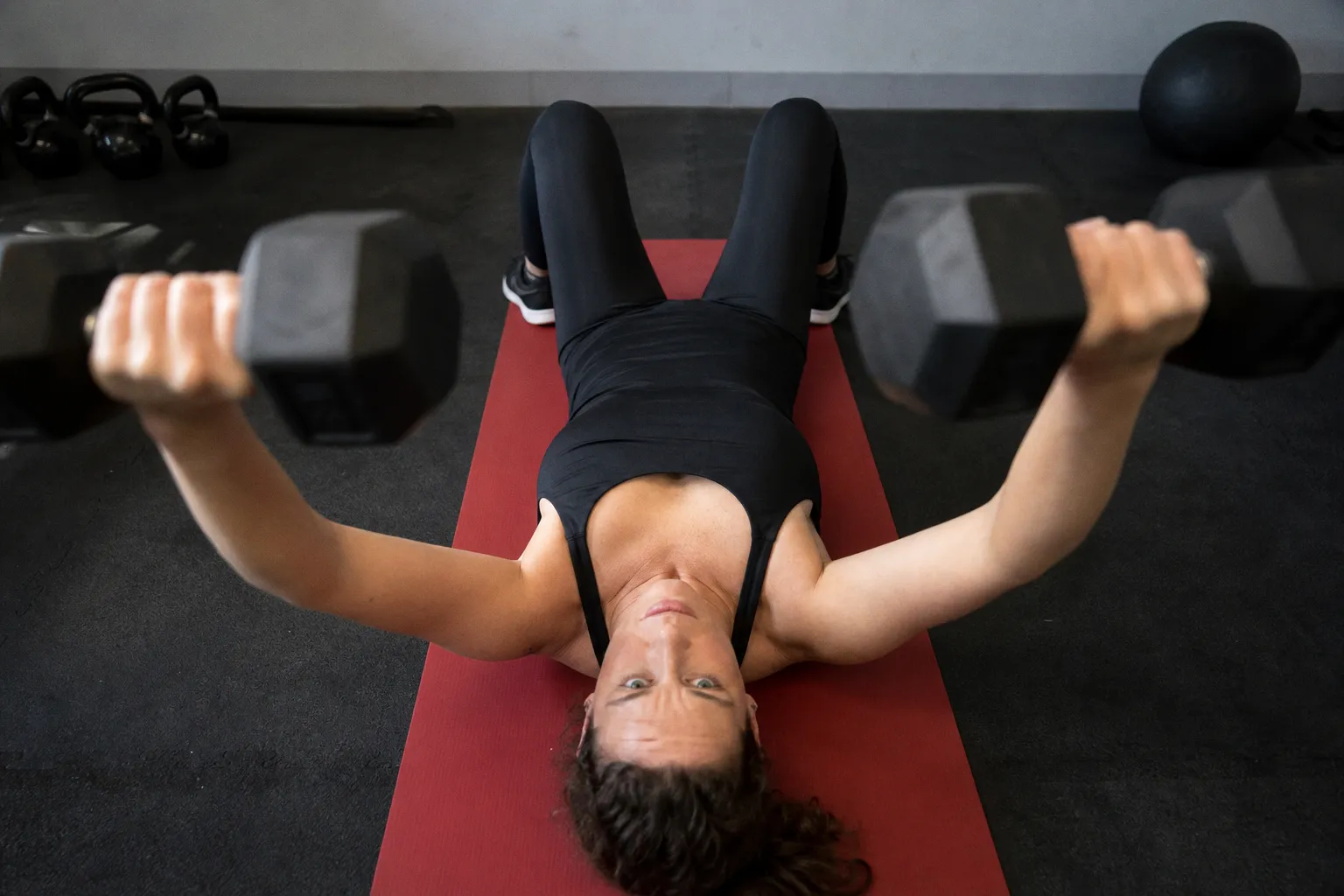
A hard HIIT session can leave the body feeling oddly specific: the front of the hips gripping after mountain climbers, calves faintly buzzy from jump squats, shoulders tight around the collarbones after plank work.
That sensation is not a command to chase a shaker bottle the second the timer stops. It is the kinetic chain asking for recovery support—fluid, enough overall food, carbohydrate when the session has drained you, and protein distributed through the day so muscle tissue has the raw material to repair and remodel.
The “Mark” in the popular search for high protein recipes snacks remains a blank space. There is no verified training log, body weight, recipe collection, or documented HIIT outcome to credit to one particular snack. But the question beneath the name is completely real: what do we eat after home HIIT when we want food that is practical, satisfying, and genuinely useful rather than another expensive tub of powder gathering dust in the cupboard?
The answer is less dramatic than fitness marketing suggests, and much more sustainable. We build snacks that fit the rhythm of training and daily life, rather than trying to force the body into a narrow, stressful feeding rule.
Protein timing for HIIT is a rhythm, not a race
HIIT can be brief, but it is rarely small. Repeated bursts of fast movement ask the muscles to contract hard, stabilize joints under fatigue, and keep the trunk articulate while the heart rate climbs. Your quads, glutes, calves, trunk, and upper body are not separate machines; fascia and muscle tissue transmit force across the whole body. Recovery needs to respect that interconnectedness.
For people training regularly, athlete-oriented guidance commonly places daily protein intake around 1.2 to 2.0 grams per kilogram of body weight per day. That is a range, not a personality test. Your appropriate place within it depends on training volume, body size, total calorie intake, health status, and whether you are maintaining, gaining, or losing weight.
A useful post-workout reference is roughly 0.3 grams of high-quality protein per kilogram of body weight within the first two hours after exercise, followed by protein-containing meals or snacks every three to five hours. For a 150-pound person, that works out to about 20 grams after training.
But let’s soften the edges around that advice. If you finish a 20-minute HIIT workout at 7 a.m. and eat breakfast at 8 a.m., breakfast is your recovery snack. If you train before dinner, a balanced dinner can do the work beautifully. We do not need to treat the body as though it will close its doors if we miss a 20-minute deadline.
Protein timing can support recovery, but the deeper win is enough protein and enough food across the whole day.
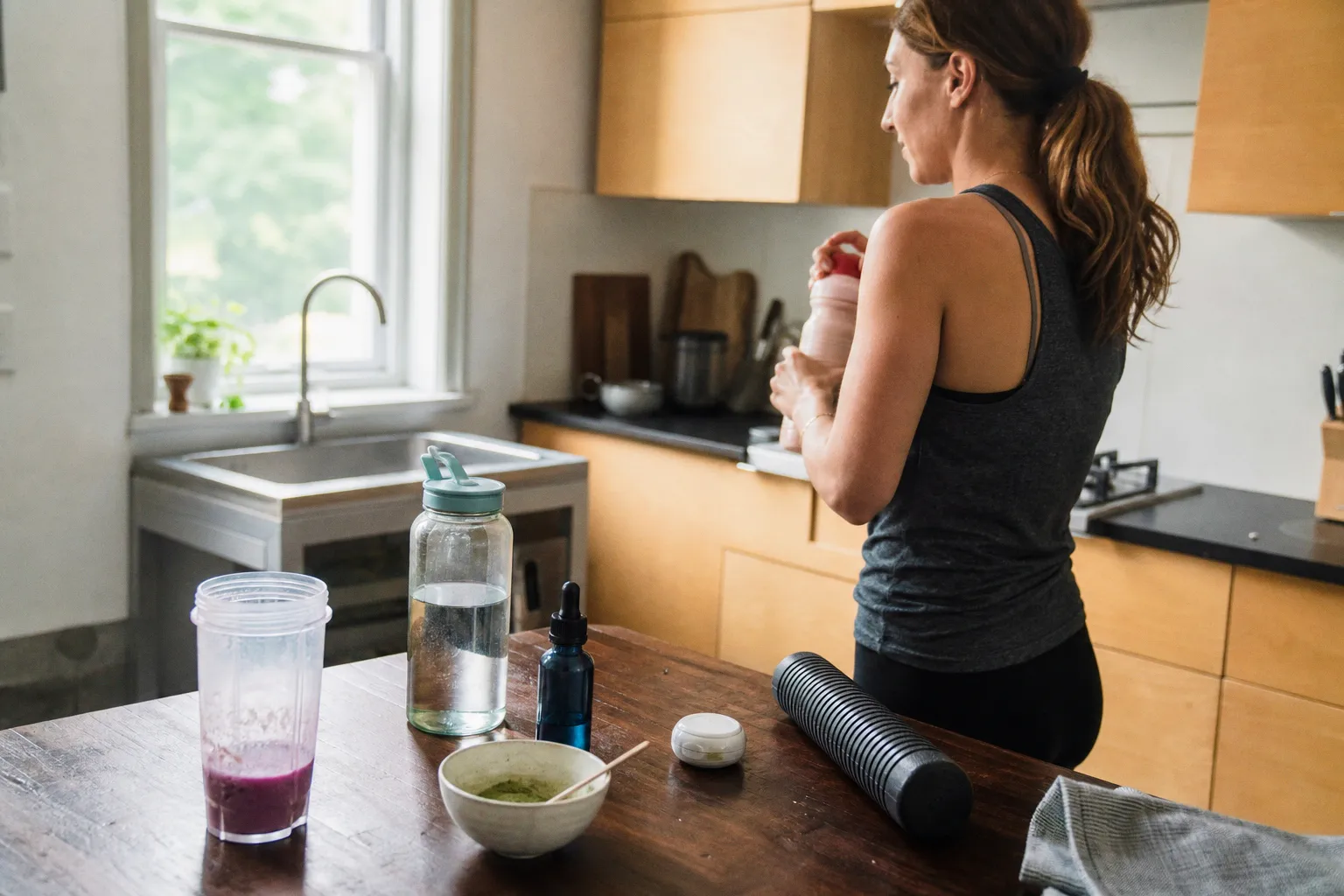
After especially sweaty HIIT, hydration deserves equal respect. Water is not glamorous, but it is part of how the body maintains blood volume, regulates temperature, and lets the tissues glide rather than feel dry and tense. A protein snack without fluid can be a strangely incomplete recovery ritual.
What “high protein” means on a snack label
The front of a package can make nearly anything sound muscular. “Protein-packed,” “fit,” “lean,” and “performance” are not nutrition facts. Turn the package around.
The FDA Daily Value for protein is 50 grams per day, which is a general label reference—not an individualized target for a person doing HIIT. On Nutrition Facts labels, 5% Daily Value or less is considered low for a nutrient, while 20% or more is considered high. That gives us a quick way to compare snacks without getting swept away by the branding.
Still, protein grams alone do not tell the whole story. A snack needs to work in your actual body and schedule. A bar that technically contains protein but leaves you thirsty, hungry, or bloated halfway through a work call is not necessarily the right fit.
Here is a more grounded way to read common options.
| Snack type | What it can offer | Where it can fall short | Best use |
|---|---|---|---|
| Greek yogurt with fruit and oats | Protein, calcium, carbohydrate, fiber, easy texture | May need refrigeration | Post-HIIT breakfast or afternoon snack |
| Cottage cheese with tomatoes and crackers | Protein plus a savory, satisfying bite | Sodium varies widely by brand | When sweet snacks are starting to feel tiresome |
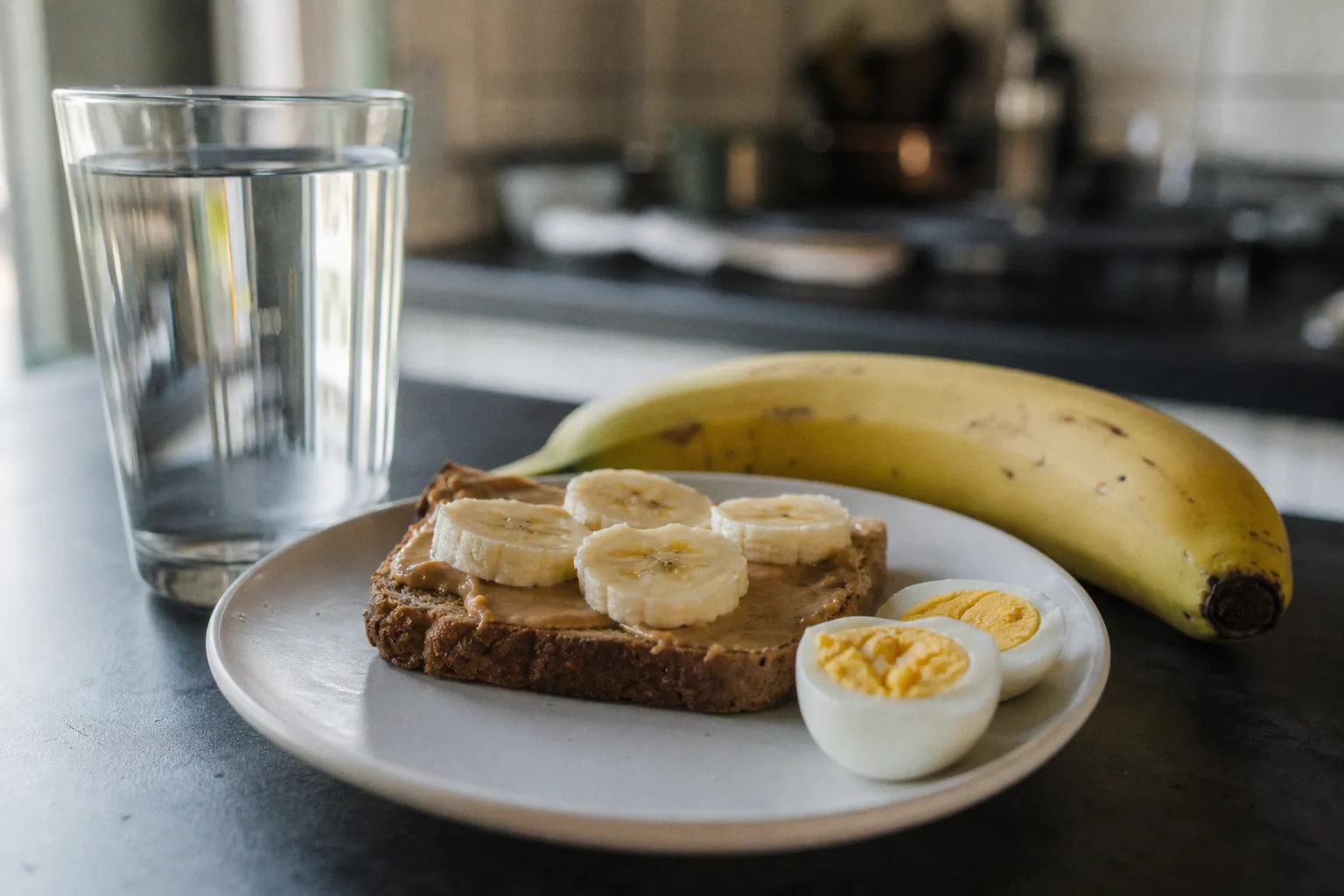
| Eggs with toast or fruit | Complete protein and a flexible whole-food meal | Less convenient if you need food immediately | Recovery meal at home |
| Roasted chickpeas or edamame | Plant protein, fiber, crunch | Protein density may be lower than dairy or meat options | Desk snack or prepped savory option |
| Protein bar | Portable and predictable | Can be low in fiber or very sweet; ingredients vary | Travel, errands, genuinely busy days |
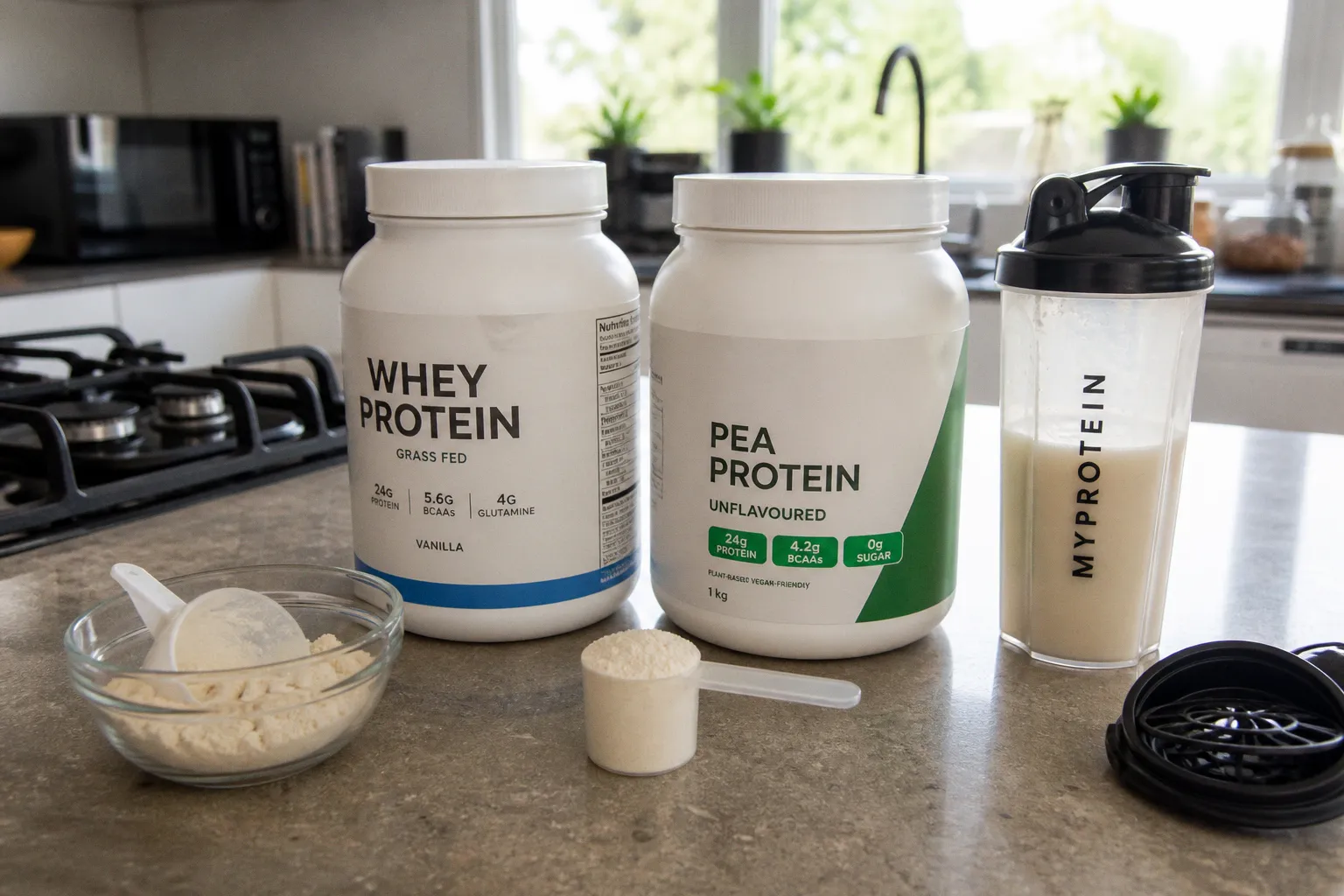
| Protein powder shake | Convenient concentrated protein | Not required, and may not feel satisfying alone | When a meal is delayed, not as a food replacement by default |
When comparing two bars, yogurts, or protein bites, look beyond the headline number:
- Protein per serving: Start with the serving size, because a tiny packet can make an impressive claim while containing two servings.
- Fiber: A little fiber can make a snack feel more settled and sustaining, especially when it comes from oats, fruit, beans, nuts, or seeds.
- Added sugar and sodium: These are not automatically forbidden, but they are useful context. A snack can be delicious without becoming a candy bar in activewear.
- Ingredient list: The shorter list is not always superior, but you should recognize what you are eating and know whether it agrees with your digestion.
- Your own tolerance: Very dense bars, sugar alcohols, and large amounts of added fiber can create abdominal pressure or urgency—particularly unpleasant before burpees.
The snack label is not a moral report card. It is simply a map.
The Greek yogurt parfait: a recovery snack with actual structure
One of the best easy high protein snacks is not especially flashy: Greek yogurt layered with rolled oats, berries, a little honey, and cinnamon. The American Heart Association’s fruity oatmeal yogurt parfait recipe makes four servings, with each serving providing 238 calories, 16 grams of protein, and 6 grams of fiber.
That is a useful model because it has more than one recovery note playing at once. Greek yogurt supplies protein. Oats and berries bring carbohydrate and fiber. The berries add brightness and moisture, which matters more than we sometimes admit after a hot workout when dry, chalky foods feel almost impossible to eat. Cinnamon makes it taste finished rather than medicinal.
A simple make-ahead parfait framework
For four portions, layer:
1. Plain Greek yogurt as the protein base.
2. Rolled oats for a gentle, chewable carbohydrate source.
3. Berries—fresh or thawed frozen—for sweetness and color.
4. Cinnamon and a modest drizzle of honey if you enjoy it.
This is not a sacred recipe. It is a structure you can articulate around your needs. Add chopped walnuts if you want more richness. Use a soy yogurt with solid protein content if dairy does not work for you. Stir in chia seeds if you like the gelled texture—but do not add every “healthy” ingredient at once and wonder why the snack suddenly feels like cement in your stomach.
For a person who trains early, the parfait can be waiting in the refrigerator before the workout begins. That removes a small but meaningful layer of friction. After HIIT, when the legs are warm and the nervous system is still humming, the best recovery choice is often the one that is already there.
The most effective post-workout snack is usually not the most engineered one. It is the one you will eat consistently enough to support the work you are doing.
Savory protein snack ideas for people tired of sweet bars
Fitness nutrition has spent years acting as though protein must taste like birthday cake, cookie dough, or salted caramel. Some days, that is fine. Other days, after a sharp, breathless circuit, the body wants salt, crunch, acidity, and something that resembles food.
Savory protein snack ideas can make daily protein intake feel less repetitive:
- Cottage cheese, cherry tomatoes, black pepper, and whole-grain crackers: Creamy, crisp, and easy to portion. Add cucumber or herbs for more volume without turning it into a project.
- Edamame with flaky salt and lemon: A simple plant-based option with fiber and a satisfying pop between the teeth. Keep frozen edamame on hand and it becomes nearly effortless.
- Hard-boiled eggs with fruit: The fruit brings carbohydrate and fluid; the eggs bring complete protein. This is particularly useful after a morning session when lunch is still far away.
- Tuna or salmon on crispbread with sliced cucumber: A compact option with a clean, savory profile. It works best when you are at home or can keep it cold.
- White bean dip with vegetables and pita: Beans do not need to imitate meat to be useful. Pairing them with varied plant foods across the day supports a broader essential amino acid intake.
- Turkey or tofu roll-ups with mustard and greens: Fast, portable, and easy to adjust according to appetite.
Animal foods such as meat, poultry, fish, eggs, and dairy contain all essential amino acids. Plant foods—including grains and legumes—contribute different amino acids, which is why variety matters for people who eat mostly or entirely plant-based. That does not mean every bite must be mathematically perfect. It means a day built from beans, lentils, soy foods, grains, nuts, seeds, and vegetables has more range than a day built around one lonely “vegan protein” bar.
Homemade protein bars are useful—but they are not automatically better
Homemade protein bars and post-workout protein bites can be excellent because they let you control texture, ingredients, and portion size. They can also become a well-intentioned pile of nut butter, syrup, protein powder, and expensive add-ins with no clear purpose.
Think of a homemade bar as a portable snack, not a nutrition miracle.
A practical formula is:
- a protein anchor, such as Greek yogurt powder, milk powder, protein powder, mashed beans, or nut butter;
- a carbohydrate base, such as oats, dates, cereal, or dried fruit;
- a texture element, such as seeds, chopped nuts, or coconut;
- enough moisture to bind it;
- and a serving size that makes sense for your hunger.
If you use protein powder, there is no need to be suspicious of it—but there is also no need to treat it as mandatory. Many active people can meet their protein needs with ordinary foods. Powders are convenient, especially when appetite is low or time is short, but convenience is their primary job.
Be more cautious with multi-ingredient performance blends that promise endurance, fat loss, recovery, focus, and muscle growth all in one scoop. Dietary supplements do not go through FDA premarket review in the same way medicines do, and combinations of many active ingredients are not always adequately tested together. A label full of proprietary blends is not a sign that something is advanced; often, it is simply hard to evaluate.
For most home HIIT athletes, a bowl of yogurt, a plate of eggs and toast, leftover lentils, or a straightforward snack bar is plenty unsexy—and plenty effective.
Meal prep needs food safety, not just good intentions
The practical weakness of many high protein recipes snacks is that they are perishable. Yogurt-based cups, egg bites, cooked chicken, tuna mixes, and leftovers are not designed to sit on a desk all afternoon while you forget about them.
Refrigerate prepared perishable snacks at 40°F (4°C) or below. Do not leave them at room temperature for more than two hours, or more than one hour if the temperature is above 90°F (32°C). Refrigerated leftovers are generally best used within three to four days.
That means your meal-prep strategy should be modest enough to manage. Four parfaits for the next few days? Sensible. Fourteen containers of chicken bites for an imaginary future self who will suddenly become organized? That is how good food becomes a science experiment.
A few small habits keep prep calm:
- Portion snacks into containers that are easy to grab, so the choice is visible when hunger arrives.
- Label anything you prep in batches with the day it was made.
- Cool cooked foods promptly before refrigeration rather than leaving them out while you complete an entire kitchen reset.
- Keep one shelf-stable backup—such as roasted edamame, tinned fish, or a simple bar—for days when the refrigerator plan falls apart.
- Make two different snack styles each week: one sweet, one savory. Palate fatigue is real.
The recovery snack is one strand in the whole fabric
High protein recipes snacks can support HIIT recovery, but they do not work in isolation. Protein cannot compensate for consistently under-eating, poor sleep, insufficient fluids, or training hard every day while the hips, feet, and shoulders become increasingly restricted. It is one strand in a much larger fabric of adaptation.
We are looking for a routine that lets the body feel more capable over time: muscles that repair, joints that stay articulate, connective tissues that are not asked to absorb endless fatigue, and meals that fit a real home schedule.
Start smaller than the internet tells you to. Keep Greek yogurt, eggs, edamame, cottage cheese, beans, oats, berries, or one reliable bar in rotation. After your next HIIT session, drink some water, let your breathing settle, and eat a snack that contains real protein within the next couple of hours. Then carry that same steady rhythm into the rest of the day.
That is not a dramatic transformation story. It is better: it is a recovery practice you can actually keep.