HLTH Band 1.0 Launch Reflects Shift Toward Low-Interaction Health Wearables
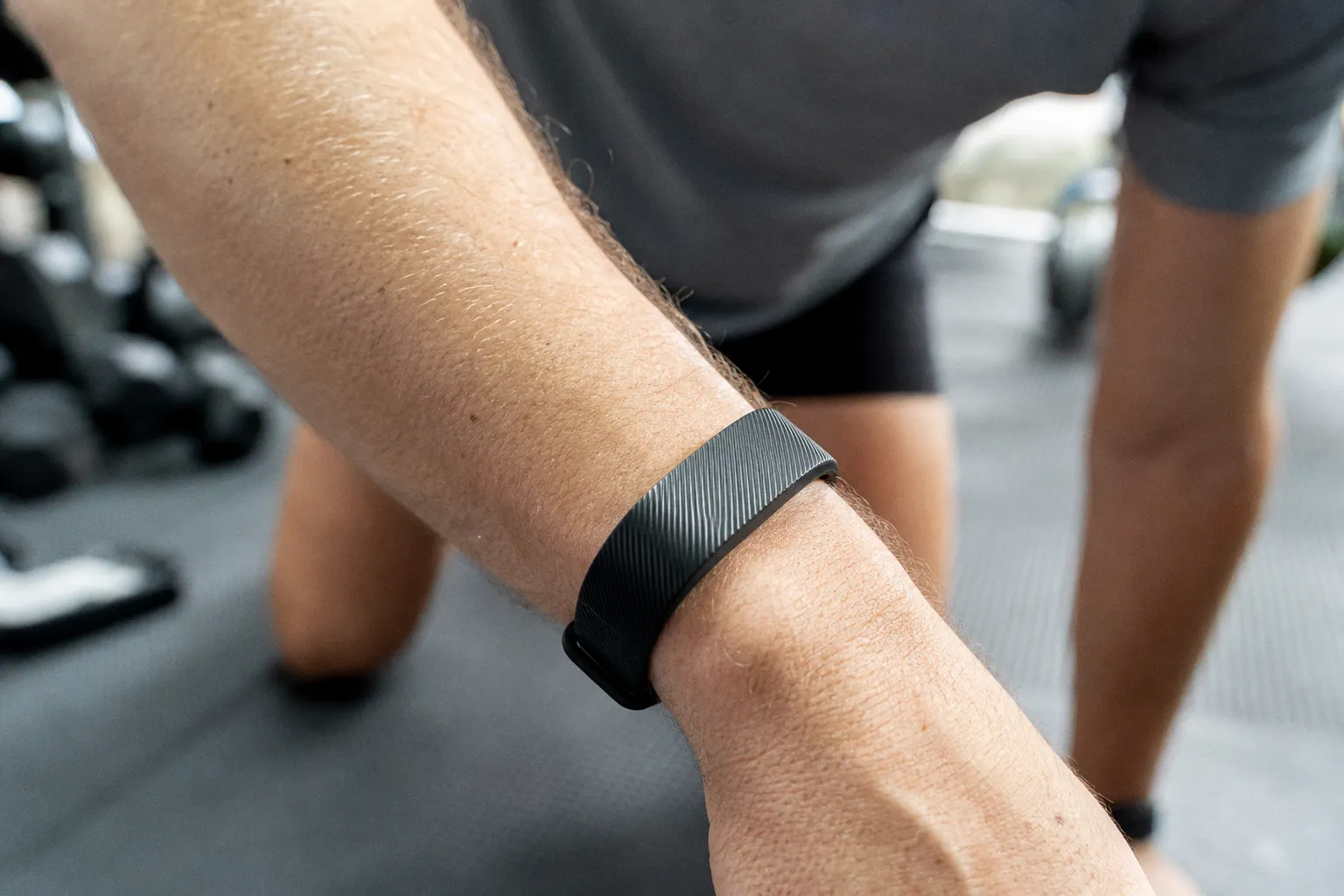
HLTH launched the Band 1.0 on July 9 — a screen-free wearable built for users who don't want another glowing rectangle on their wrist mid-session. The pitch: strap it on, forget it, read the data later. That mirrors where the category is moving. U.S.

What It Actually Measures
Seven metrics. Heart rate variability. Resting heart rate. Sleep stages. Blood oxygen. Stress indicators. Blood pressure estimate. Daily activity. Output routes to a companion app. No on-device display. Extended battery life is the selling point — exact hours weren't listed in the release.
Two of those metrics warrant skepticism. Stress and blood pressure figures come from algorithmic interpretation of optical sensor data. Not clinical-grade measurement. For trainees who time HIIT blocks against HRV, the distinction between a PPG-derived blood pressure estimate and a cuff reading is not cosmetic. It's the difference between a trend signal and a diagnostic input.
The Retention Gap
Adoption is climbing. Retention is not. Research published in Computers in Human Behavior shows most users abandon activity trackers within months. Primary drivers: demotivation, perceived uselessness, routine interruption. HLTH's response: strip the screen. Lower the interaction surface. Push data collection into the background.
Whether that solves abandonment or just relocates it is unanswered. A screen-free device eliminates one friction point. It doesn't fix the underlying question — why does the user need this data at all. No wearable answers that for you.
Verdict for Home Trainees
The narrow use case is real. If you program intensity by HRV and recovery by sleep architecture, a passive sensor that lasts a week per charge removes the daily decision to wear it. That is the value. Anything beyond tracking is interpretive noise layered on top of an algorithm.
Buy if you already train by autonomic data and your current wearable dies before noon. Pass if you want glanceable stats during a workout or you've never kept a tracker past the third month. The abandonment data places most buyers in the second bucket.
The hands-off hardware approach has parallels elsewhere — for those interested in a similar set-and-forget model applied to earning yield on idle crypto through staking and lending, the mechanics differ but the philosophy is close.