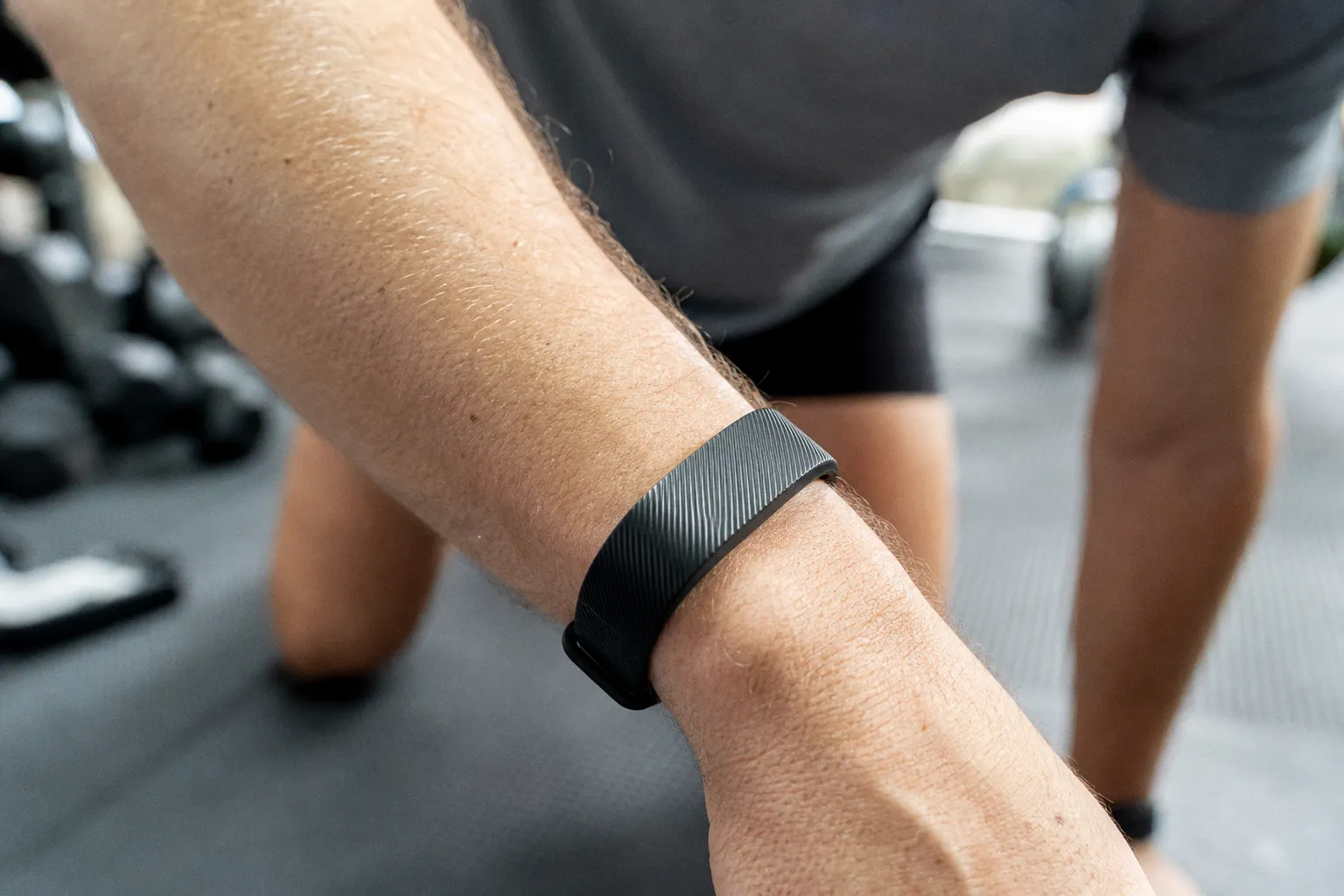
Xiaomi Smart Band 8 from Xiaomi - fitness tracker doubles as wearable accessory
Xiaomi just dropped a new budget fitness tracker. The Smart Band 8 runs a 1.62-inch AMOLED at 192x490 pixels, with 600 nits peak brightness.
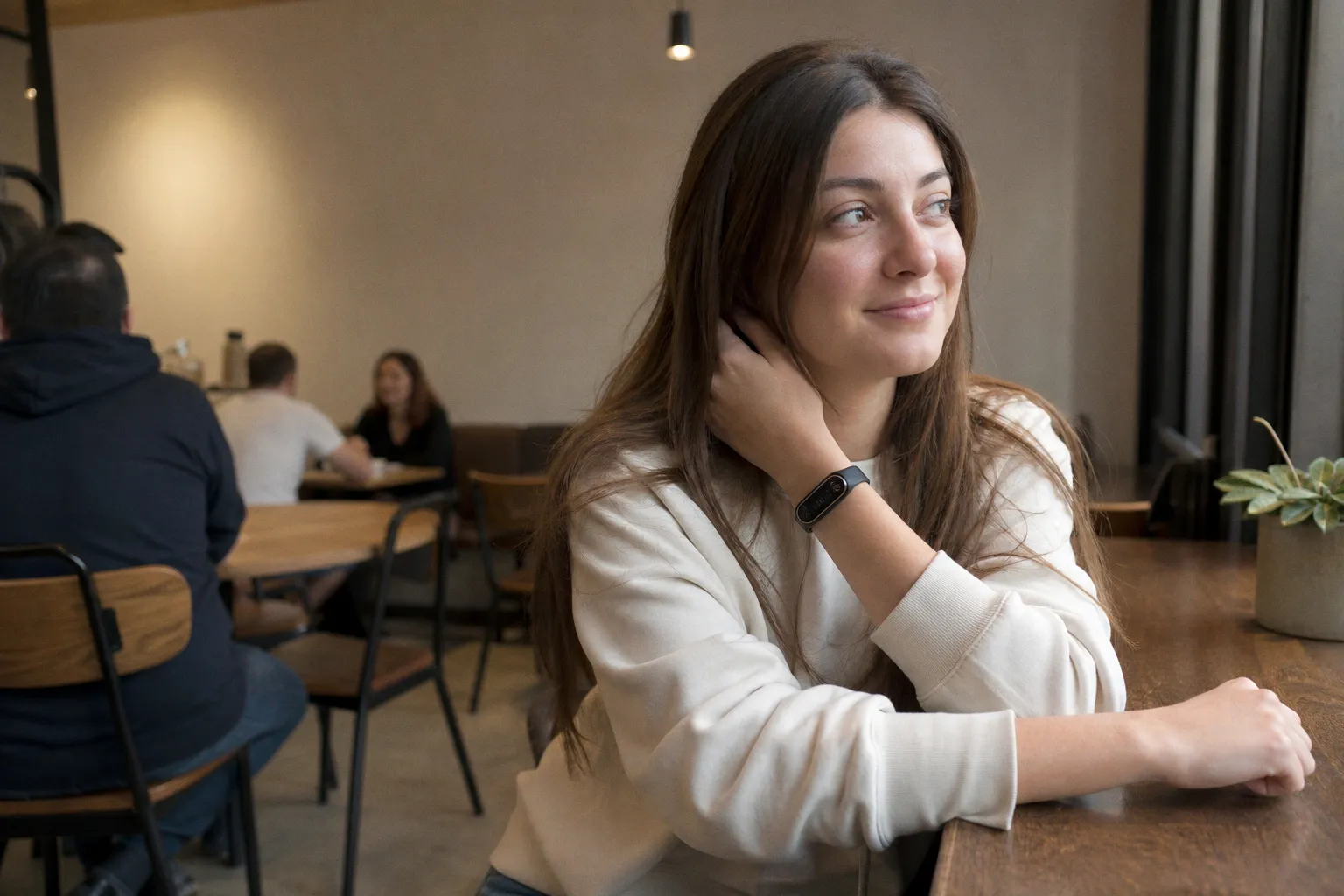
Hardware That Actually Counts
Display: 1.62-inch AMOLED, 192x490 resolution, 600 nits. Readable in direct sunlight. That matters during outdoor sprint intervals when you're squinting at pace data between sets.
Battery: 16 days claimed on typical use. 6 days with always-on display active. Real-world mixed use — notifications, two to three workouts weekly, sleep tracking — lands at 10 to 12 days before the icon turns orange. Full top-up takes roughly one hour. The catch: a proprietary clip-style charger. Not USB-C. Lose that cable mid-travel, the band is a paperweight until a replacement shows up.
Sensors: continuous heart rate, SpO2, sleep stages, nap detection, stress monitoring. That covers the metrics a conditioning coach actually uses — HR zone distribution during intervals, overnight recovery quality, daily readiness proxy through resting HR trends. The capsule body detaches from the strap entirely. Mount it in a pendant. Clip it to a shoe. Swap to a leather-like or woven strap for the office. Genuine wear-style flexibility, not marketing theater.
Training Modes and the Algorithm Question
Xiaomi lists 150+ sport modes. Jump rope, interval training profiles, indoor running, cycling. According to a hands-on review, the motion algorithm responds quickly to pace changes during a 5K jog, with on-screen pace and HR graphs updating without lag.
Whether 150 modes deliver distinct value beyond a basic "workout" tag is the real question. HIIT programming lives or dies on accurate interval detection and HR zone response. The Smart Band 8 has the hardware. Independent validation of the algorithm under true HIIT workloads — repeated 30/30s, 40/20s, Tabata — is still absent from the data set. Treat the mode count as a spec, not a performance guarantee.
The GPS Limitation
No native GPS. Connected GPS only through a paired smartphone. For indoor HIIT, yoga, and bodyweight circuits, this is irrelevant. Phone stays in the locker. For outdoor cardio — trail runs, road cycling — the band cannot map pace or route without the phone tethered.
That places the Smart Band 8 squarely in the casual fitness bracket. Dedicated runners who care about VO2 max estimates, training load, and route accuracy will not compromise here. They shouldn't.
Buy or Skip
Buy it if: you train primarily at home or indoors; you need HR and sleep data for recovery tracking; the detachable capsule versatility matters to your daily carry; budget is the binding constraint.
Skip it if: you run or cycle outdoors regularly without a phone in hand; USB-C charging is non-negotiable; you need advanced training load metrics or VO2 max estimates; multi-day intensive tracking battery life is required.
The missing variable in the source material: price. At sub-$50, this is a rational buy for home-based training — acceptable sensor stack, acceptable battery, acceptable screen. Above $80, entry-level Garmin and Coros options deliver native GPS and better training analytics for similar money. The math is binary. Define your primary training environment first, then the answer writes itself.